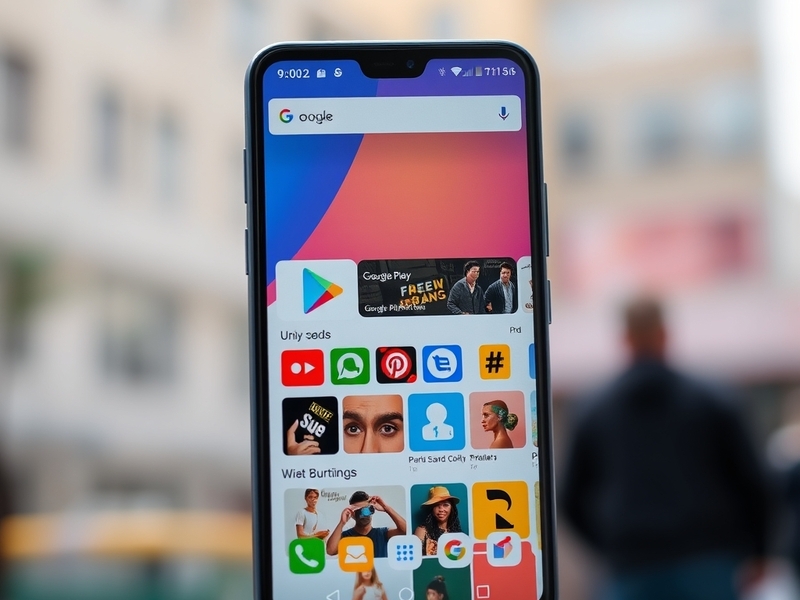
The Google Play Store remains the dominant digital marketplace for Android users worldwide, offering millions of apps, games, books, and other digital content. Since its launch in 2008 as the Android Market, the platform has evolved into a cornerstone of Google’s ecosystem, shaping how billions access software on their devices. Unlike Apple’s App Store, which operates exclusively on iOS, the Play Store serves as the primary distribution channel for Android, making it a critical hub for developers and users alike. Its reach extends across over 190 countries, supporting multiple languages and currencies to accommodate a global audience.
While the Play Store provides unparalleled convenience and variety, it has also faced ongoing scrutiny over issues such as app quality, security vulnerabilities, and developer policies. The platform’s policies often spark debates about fairness, censorship, and revenue splits, particularly among indie developers and large corporations. Despite these challenges, the Play Store continues to innovate, introducing features like subscription management, family sharing, and AI-powered app recommendations to enhance user experience. Understanding its inner workings—from monetization models to policy enforcement—can help both consumers and creators navigate this digital marketplace more effectively.
The evolution of the Google Play Store: From Android Market to global powerhouse
The Google Play Store’s origins trace back to the early days of Android. When Google acquired Android Inc. in 2005, the company envisioned an open ecosystem where users could easily discover and install applications. The platform launched in 2008 as the Android Market, a simple storefront offering a modest selection of apps. Early versions lacked the polish and features we associate with it today, but they laid the groundwork for what would become a multi-billion-dollar digital economy.
By 2012, Google rebranded the Android Market as the Google Play Store, unifying its digital content services under a single identity. This shift included integrating Google Music, Google Movies, and Google Books into the platform. The rebranding wasn’t merely cosmetic—it signaled Google’s ambition to compete directly with Apple’s App Store in terms of app discovery, content distribution, and user engagement. Over the years, the Play Store expanded its offerings beyond apps to include movies, TV shows, books, and even cloud-based gaming through services like Stadia (now discontinued).
The introduction of the Google Play Developer Console in 2013 gave creators a centralized dashboard to manage their apps, track performance metrics, and handle payments. This tool democratized app development, enabling indie developers to publish their work without requiring approval from traditional gatekeepers. The Play Store’s global reach grew as Google partnered with carriers and original equipment manufacturers (OEMs) to preload the store on Android devices. Today, the platform boasts over 3.5 million apps, making it the largest app store in the world by sheer volume.
How the Play Store makes money: Revenue models and developer economics
The Google Play Store operates on multiple revenue streams, each contributing to its status as a financial juggernaut. The primary income source is the 30% commission Google takes on app sales, in-app purchases, and subscriptions—a model it shares with Apple’s App Store. This fee, often referred to as the “Google tax,” has sparked widespread criticism, particularly among small developers who argue it disproportionately impacts their profitability. In response, Google has introduced alternative payment systems in regions like South Korea and India, though these changes remain limited in scope.
Beyond direct app sales, the Play Store generates revenue through digital content like movies, music, and books. Google takes a 15% cut on sales of these media types, reflecting a lower barrier to entry compared to software. The platform also profits from advertising, including sponsored app listings and promotional banners that appear in search results. Developers can pay to boost visibility, creating a pay-to-play dynamic that favors well-funded studios over smaller competitors.
For many developers, the Play Store represents both an opportunity and a challenge. While the platform provides access to a vast user base, the high commission fees and stringent policies can eat into profits. Some creators have turned to alternative distribution methods, such as sideloading or third-party app stores, to bypass Google’s ecosystem entirely. However, these approaches come with risks, including security vulnerabilities and limited discoverability. The balance between profitability and accessibility remains a defining tension in the Play Store’s economic model.
Controversies and criticisms: Security, policy enforcement, and fair competition
The Play Store’s reputation has been marred by recurring controversies, particularly around security and policy enforcement. Malicious apps have slipped through the cracks, exposing users to malware, phishing scams, and data breaches. While Google employs automated scanning tools like Google Play Protect, critics argue these measures are reactive rather than proactive. High-profile incidents, such as the 2020 exposure of over 1,700 apps containing the Joker malware, have eroded trust in the platform’s ability to safeguard users.
Developer policies have also drawn ire, especially regarding app removals and payment restrictions. Google’s enforcement of its policies—such as banning apps that facilitate gambling or adult content—has led to accusations of arbitrary censorship. In 2021, the company faced backlash after removing several popular apps, including a privacy-focused browser, without clear explanations. These incidents highlight the challenges of balancing content moderation with the open nature of the Android ecosystem.
Another contentious issue is Google’s dominance in the app distribution market. With over 70% market share in many regions, the Play Store faces antitrust scrutiny from regulators worldwide. In 2021, a coalition of 36 U.S. states sued Google, alleging anti-competitive practices that stifle innovation and harm consumers. The outcome of these legal battles could reshape the app economy, forcing Google to reconsider its revenue model and policy enforcement. Until then, the Play Store remains a powerful but polarizing force in the digital landscape.
Navigating the Play Store: Tips for users and developers
For users, the Play Store offers a treasure trove of apps, but discerning quality from noise can be daunting. Start by checking app ratings and reviews, paying attention to recent feedback rather than outdated scores. Look for apps with high download counts and screenshots that clearly demonstrate functionality. Be wary of apps with excessive permissions requests—permissions like access to contacts or location data should align with the app’s core purpose.
Google’s “Editor’s Choice” and “Top Charts” sections can help users discover hidden gems, while the “Family” and “Work” tabs cater to specific user needs. For those concerned about privacy, enabling Google Play Protect and regularly reviewing app permissions can mitigate risks. Parents can leverage the “Parental Controls” feature to restrict access to age-inappropriate content, adding an extra layer of security for younger users.
Developers, on the other hand, must navigate a complex landscape of policies, algorithms, and competition. To maximize visibility, focus on optimizing app store listings with compelling descriptions, high-quality screenshots, and relevant keywords. Google’s algorithm prioritizes apps with strong engagement metrics, so encouraging user reviews and frequent updates can improve rankings. Consider leveraging Google’s beta testing tools to gather feedback before a full release.
For indie developers, budgeting for marketing is crucial. The Play Store’s crowded marketplace makes organic discovery difficult, so investing in targeted ads or influencer partnerships can drive downloads. Joining developer communities, such as Dave’s Locker Technology forums, can provide invaluable insights and networking opportunities. Staying informed about policy changes and algorithm updates is equally important, as Google frequently tweaks its guidelines to adapt to new trends.
The future of the Play Store: Challenges and opportunities ahead
The Google Play Store stands at a crossroads, facing both existential challenges and unprecedented opportunities. On one hand, regulatory pressures and competition from alternative app stores threaten its dominance. On the other, emerging technologies like AI, augmented reality, and cloud gaming could redefine how users interact with digital content. Google’s recent initiatives, such as the Play Points loyalty program and enhanced subscription management tools, reflect its efforts to retain developers and users in an increasingly fragmented market.
One of the most significant trends shaping the Play Store’s future is the rise of AI-driven app discovery. Google has begun integrating machine learning into its recommendation algorithms, promising more personalized suggestions based on user behavior. This shift could level the playing field for smaller developers by surfacing niche apps that might otherwise get lost in the crowd. However, it also raises concerns about echo chambers and the potential for algorithmic bias in app recommendations.
Another area of growth is the expansion of non-app content. The Play Store’s foray into digital media—including movies, TV shows, and audiobooks—positions it as a one-stop shop for entertainment. With Google’s acquisition of YouTube and its investments in original content, the platform could evolve into a hybrid app store and media hub. This diversification may attract users who currently rely on separate services for streaming and app downloads.
Ultimately, the Play Store’s longevity will depend on its ability to adapt to user demands and regulatory landscapes. For developers, staying agile and compliant will be key to thriving in this ever-changing environment. As Google continues to refine its policies and technologies, the Play Store will likely remain a pivotal player in the digital economy—though its exact form may look very different in the years to come.