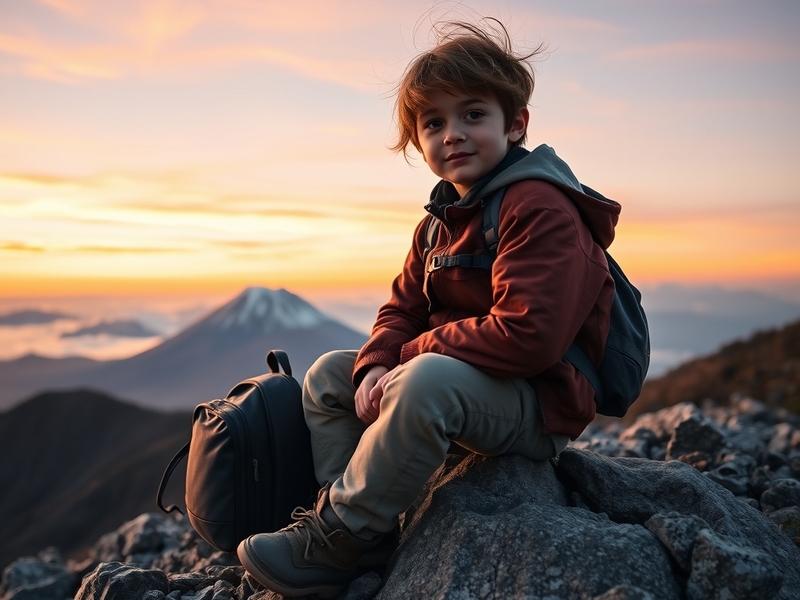
On the morning of July 28, 2024, a 12-year-old boy from Tokyo was reported missing near Mount Fuji after separating from a guided hiking group. Search teams from the local fire department and volunteer climbers located the boy within 12 hours, bruised but conscious, at an elevation of approximately 2,900 meters on the Yoshida Trail. While the incident concluded without fatal consequences, it has reignited long-standing debates about Japan’s mountain safety protocols, the pressures on young hikers, and the cultural expectations placed on children in organized outdoor activities.
What Happened on Mount Fuji That Day
According to official statements from the Fujiyoshida City Fire Department, the boy became separated from his group around 9:30 a.m. while ascending the popular Yoshida Trail, one of four official routes to the summit. The group, consisting of a school hiking club and adult supervisors, had planned a two-day trek with overnight lodging at a mountain hut. Witnesses reported that the boy, who had been walking slightly behind the main group, was last seen near the 5th Station—a common rest area and starting point for many climbers.
By 11:00 a.m., the absence was noted, and a search was initiated. Helicopters equipped with thermal imaging, along with over 50 ground volunteers, combed the rugged terrain. The boy was found at 8:45 p.m. near the 7th Station, shivering and suffering from mild hypothermia and minor cuts. He told rescuers he had taken a wrong turn near a switchback and wandered off-trail while trying to rejoin the group. Miraculously, he had not descended into the more dangerous volcanic slopes below.
Why This Incident Stands Out
Mount Fuji is one of the most climbed mountains in the world, with over 300,000 hikers annually, yet fatalities and serious accidents remain rare—usually fewer than five per year. What makes this case notable is not the rarity of the event itself, but the age of the child and the context in which it occurred. Japan has a long tradition of school-organized hiking and climbing trips as part of physical education and character-building programs. These excursions are often seen as rites of passage, especially for middle school students.
However, the increasing commercialization of Fuji climbs—where schools contract guiding services for convenience—has raised concerns. Many guides are not certified mountain rescue specialists but simply experienced hikers. While they provide route guidance, they may lack formal training in emergency response or child supervision techniques.
Additionally, Japan’s growing youth hiking culture, fueled by social media trends and school trip policies, has led to a rise in unprepared climbers. Many young hikers, eager to capture summit selfies or complete “Fuji-san” for the first time, often underestimate the mountain’s risks—rapid weather shifts, steep inclines, and oxygen thinning above 3,000 meters.
Broader Implications for Mountain Safety and Youth Culture
The incident has prompted calls for stricter regulations on guided school hikes on Mount Fuji. Some advocates are urging the government to mandate certified mountain guides for all school-affiliated climbs involving minors, especially during peak season (July–August). Currently, there is no national law requiring such qualifications, leaving oversight to individual schools and prefectural guidelines.
There is also growing concern about the psychological pressure on children to participate. In Japan, participation in school trips, including Fuji climbs, is often framed as an obligation rather than an option. Students who decline may face questions about commitment or even social exclusion. This “group-first” mentality, while rooted in collectivism, can discourage children from speaking up when they feel overwhelmed or confused.
Moreover, the incident highlights a disconnect between Japan’s aging population and its outdoor youth culture. Many parents today did not grow up hiking Fuji themselves and may lack the knowledge to assess whether their child is physically or emotionally prepared for such a challenge. The result is a growing reliance on commercial guiding services that prioritize logistics over safety education.
Key Takeaways from the Mount Fuji Incident
- Supervision gaps: School groups often rely on non-specialist guides, increasing risk during emergencies.
- Cultural pressure: Mandatory participation in high-altitude hikes can lead to stress and underreporting of discomfort.
- Safety regulations lag: No national standard exists for guiding minors on Mount Fuji despite its popularity.
- Climate and terrain risks: Rapid weather changes and oxygen levels are underestimated by young climbers.
- Technology’s role: GPS devices and emergency beacons are not universally provided to school groups.
In response to the incident, the Fujiyoshida Municipal Government announced plans to review its guidance for school hiking programs and collaborate with the Japanese Alpine Club to develop a certification system for youth trip leaders. While details are still being finalized, the move signals a potential shift toward greater accountability in outdoor youth education.
The Human Side: What This Means for Families
For the boy’s family, the ordeal was a wake-up call. His mother, speaking anonymously to local media, described the moment she received the call that he was missing as “the longest 12 hours of my life.” She questioned why more wasn’t done to prepare children for such risks and whether Fuji was truly an appropriate challenge for 12-year-olds.
Her concerns reflect a growing divide in Japanese parenting. While some families embrace rugged outdoor experiences as part of resilience training, others are questioning whether Japan’s reverence for endurance culture has crossed into excess. Psychologists warn that pushing children too hard in extreme environments can lead to trauma rather than growth, especially when they lack agency in the decision.
Meanwhile, the boy has returned to school and, according to reports, expressed relief at being back with his family. Teachers have emphasized that the incident will be used as a learning opportunity—not to discourage climbing, but to teach preparation, self-awareness, and respect for nature.
As Japan grapples with balancing tradition, safety, and youth development, the Mount Fuji incident serves as a quiet reminder: even the most iconic journeys require more than just willpower—they demand wisdom, preparation, and the courage to turn back when necessary.