Global Resurgence: How the Summer Wave of COVID-19 Remade Public Health Strategies
The third summer of the COVID-19 pandemic arrived quietly but left a lasting imprint on public health systems worldwide. Unlike the dramatic waves of 2020 and 2021, this surge was defined by subtlety—cases rose, hospitalizations climbed, but the narrative shifted from panic to persistence. Governments and citizens alike had adapted, though not without tension, to a virus that refused to fade into obsolescence.
What began as localized outbreaks in the spring of 2022 soon ballooned into a global pattern. The World Health Organization (WHO) reported over 10 million new cases in July alone, a figure likely understated due to reduced testing and reporting in many regions. The BA.5 subvariant of Omicron, first identified in early 2022, became the dominant strain, outpacing earlier variants in transmissibility. Its ability to evade immunity—whether from prior infection, vaccination, or both—meant even those who had weathered previous waves were not spared.
The summer wave unfolded differently across continents. In Europe, countries like France and Germany saw case numbers double within weeks, prompting renewed calls for mask mandates in crowded indoor spaces. Meanwhile, in the United States, the Centers for Disease Control and Prevention (CDC) reinstated wastewater monitoring as a primary surveillance tool, acknowledging that testing had become too inconsistent to rely on case counts alone. Across Asia, nations like Japan and South Korea grappled with balancing economic recovery and public health, a tightrope walk that defined the pandemic’s later stages.
The Science Behind the Surge: Why BA.5 Proved So Pervasive
The dominance of BA.5 wasn’t a surprise to virologists, but its speed was alarming. Studies published in Nature and The Lancet in mid-2022 confirmed that BA.5 carried mutations in its spike protein that allowed it to bind more efficiently to human cells. This structural advantage translated into a reproductive number (R₀) estimated between 12 and 18—meaning each infected person, on average, passed the virus to a dozen others. For comparison, the original strain of COVID-19 had an R₀ of just 2.5 to 3.
Immunity gaps played a critical role. While vaccines remained effective at preventing severe outcomes, their protection against infection waned within months. A Health study from Israel showed that a fourth dose of the mRNA vaccine provided only temporary protection against BA.5 infection, though it significantly reduced hospitalization risks. Natural immunity from prior infections also waned, creating a population that was largely immune but not necessarily protected. This “immune evasion” created the perfect conditions for a summer wave that felt both familiar and unsettlingly new.
Researchers at the University of Washington modeled the wave’s trajectory, predicting that countries with high population density and low booster uptake would experience the steepest rises. Their projections proved accurate. Cities like Tokyo and Seoul, with dense urban cores and high mobility, saw case rates climb by 300% in July. The model also highlighted the role of travel. International tourism, which rebounded strongly in 2022, became a silent vector, carrying the virus across borders before symptoms even appeared.
Public Health’s New Playbook: Adaptation in the Face of Fatigue
The summer wave forced governments to rewrite their pandemic playbooks. Gone were the days of nationwide lockdowns or sweeping mandates. Instead, officials turned to targeted measures: localized mask mandates in high-risk settings, expanded access to antiviral treatments like Paxlovid, and renewed campaigns for booster shots. The shift reflected a broader societal acceptance that COVID-19 was here to stay—but that didn’t mean surrender.
In Canada, provincial health authorities introduced “circuit breakers” in long-term care facilities, restricting visitors during outbreaks. The United Kingdom’s National Health Service (NHS) delayed non-urgent procedures in some regions, a tactic reminiscent of 2020 but deployed with far more caution. Meanwhile, Australia adopted a “living with COVID” framework, treating the virus like seasonal influenza but with enhanced surveillance.
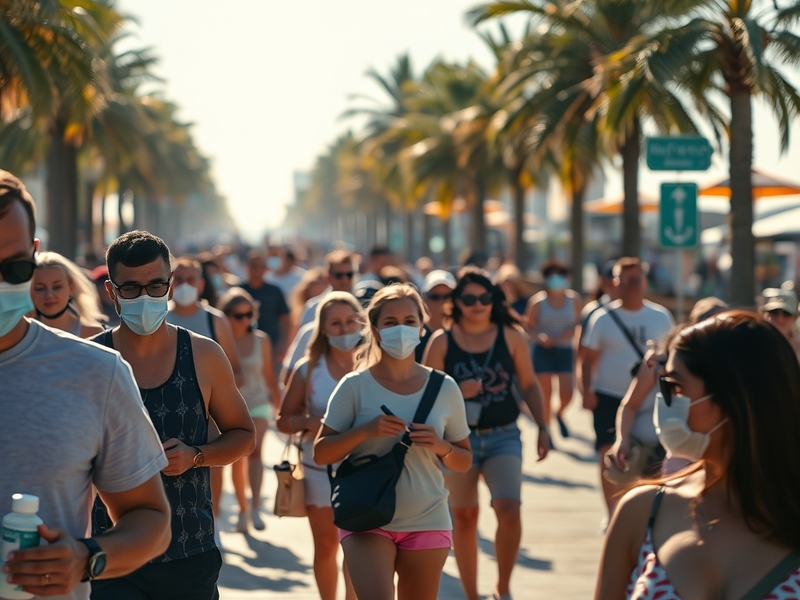
The public’s response was a mix of resignation and defiance. Polls in the U.S. and Europe showed declining trust in government messaging, with many citing pandemic fatigue as a reason to ignore new guidelines. Social media amplified mixed signals: influencers touted unproven remedies while scientists warned against complacency. The result was a fragmented approach, where some communities masked up while others embraced “immunity parties” as a twisted form of defiance.
Healthcare systems, already strained by burnout and staffing shortages, braced for impact. Hospitals in New York and Berlin reported surges in emergency room visits, though ICU admissions remained lower than in previous waves. The discrepancy underscored the progress made in treatment. Monoclonal antibodies, once hailed as miracle drugs, were now less effective against BA.5, but antivirals and improved oxygen therapies kept mortality rates in check. Still, the psychological toll lingered. Nurses and doctors, now in their third year of pandemic work, described the summer wave as “the quiet crisis”—less visible than earlier surges but no less draining.
The Cultural Divide: How the Summer Wave Shaped Society
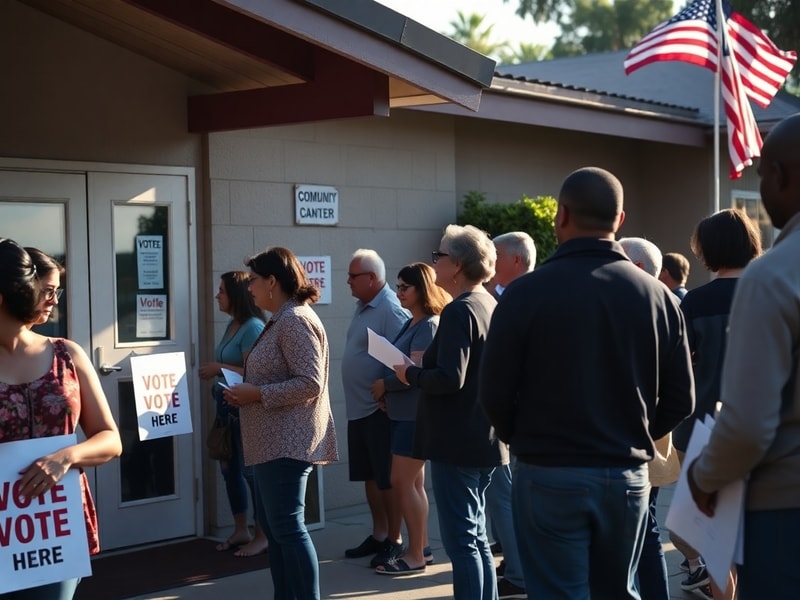
The pandemic’s cultural footprint expanded during the summer wave, revealing deep societal fractures. In the U.S., the wave collided with a midterm election cycle, turning public health into a political football. Candidates debated the necessity of school mask policies, while local school boards became battlegrounds. The debate wasn’t just about health—it was about autonomy, trust in institutions, and the role of government in personal lives.
In Europe, the wave reignited debates about vaccine equity. While wealthy nations rolled out fourth and fifth doses, low-income countries struggled to secure even basic supplies. The WHO’s COVAX initiative, once a beacon of hope, faced criticism for falling short of its goals. The disparity wasn’t just a health issue; it was a moral one. By August 2022, Africa had administered just 20 doses per 100 people, compared to 150 in North America. The gap fueled conspiracy theories and eroded global solidarity.
Art and entertainment reflected the era’s contradictions. Music festivals like Glastonbury in the UK and Lollapalooza in the U.S. went ahead with precautions—rapid testing, outdoor stages, and crowd limits—but the mood was subdued. Concertgoers masked up in some areas, while others treated the events as COVID-free zones. The film industry, meanwhile, grappled with delays and outbreaks on set. Jurassic World: Dominion, one of 2022’s most anticipated releases, faced multiple production halts due to cast and crew testing positive.
The summer wave also reshaped work culture. Remote work, once a temporary fix, became a permanent fixture for many industries. Companies like Spotify and Shopify embraced “work from anywhere” policies, while others pushed for a return to offices, citing collaboration and culture. The tension played out in real time as employees tested positive after business trips or in-office meetings. The office, once a symbol of corporate life, became another battleground in the fight against the virus.
Lessons Learned and the Road Ahead
The summer wave of 2022 was a reminder that COVID-19 was not a sprint but a marathon. It tested the resilience of health systems, the adaptability of governments, and the patience of societies. Yet it also revealed strengths: the speed of vaccine development, the ingenuity of treatments, and the power of global collaboration (when it worked). The wave didn’t break us—but it bent us, forcing a reckoning with the new normal.
Looking ahead, the focus is on preparedness. The WHO’s 2023 strategic plan emphasizes early warning systems, stockpiling antivirals, and equitable vaccine distribution. Countries are investing in wastewater surveillance, a low-cost method to detect surges before they overwhelm hospitals. In parallel, research into pan-coronavirus vaccines continues, with the hope of creating a shot that protects against multiple variants.
For individuals, the message is clear: stay informed but skeptical. The pandemic has taught us that certainty is fleeting. What worked yesterday—masks, boosters, social distancing—may not work tomorrow. The key is flexibility: adapting to new data, trusting science but questioning dogma, and prioritizing collective well-being over individual convenience.
The summer wave may have faded, but its legacy endures. It’s a reminder that in a world reshaped by a microscopic virus, resilience isn’t about returning to normal—it’s about forging a new one.