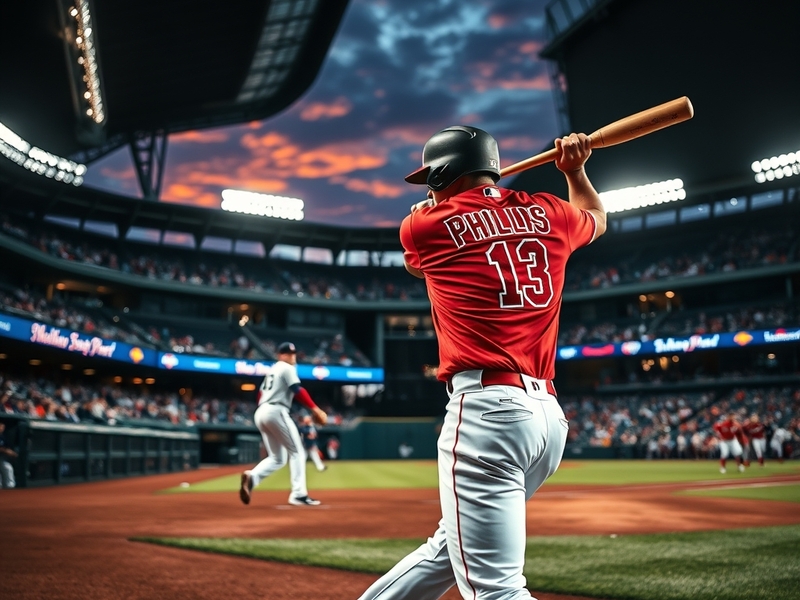
The Philadelphia Phillies and Seattle Mariners have long stood as two distinct pillars in Major League Baseball, each representing not just their cities but entire regions with unique baseball cultures. The Phillies, with their loyal fanbase in the Northeast, carry the weight of a franchise that has seen both triumph and heartbreak since 1883. Meanwhile, the Mariners, born in 1977 as one of baseball’s expansion teams, have grown into a symbol of resilience and innovation in the Pacific Northwest. When these two teams meet, the contrast in style, history, and fan expectations creates a matchup that transcends the diamond.
This rivalry isn’t just about wins and losses—it’s about identity. Philadelphia’s blue-collar grit clashes with Seattle’s tech-driven progressivism, both on and off the field. Fans from both sides bring their city’s personality to the ballpark, turning each game into a cultural microcosm of America’s broader divides: tradition versus modernity, blue-collar loyalty versus corporate innovation, and the enduring romance of baseball versus the analytical future of the sport.
A Tale of Two Cities: Baseball Identity and Fan Culture
Philadelphia is a city where baseball is religion. Citizens Bank Park, the Phillies’ home, buzzes with energy every home game, fueled by fans who have endured decades of disappointment—from the 1964 collapse to the 2000s playoff droughts. The city’s working-class roots are reflected in the passionate, sometimes volatile fanbase. Chants like “We want Philly!” echo through the stands, and the team’s colors—red and white—are woven into the city’s identity. The Phillies aren’t just a team; they’re a civic symbol.
Seattle, by contrast, is a city of reinvention. Safeco Field (now T-Mobile Park) opened in 1999 with state-of-the-art amenities, reflecting the city’s tech-driven ethos. Mariners fans, while equally devoted, often bring a more analytical and forward-looking approach to the game. The team’s history includes near-misses—like the 2001 116-win season that ended in playoff heartbreak—and a commitment to community engagement through programs like the Mariners Care initiative. Seattle’s embrace of diversity and sustainability finds its way into the ballpark culture, with eco-friendly initiatives and a fanbase that values both nostalgia and innovation.
The contrast extends beyond the ballpark. Philadelphia’s blue-collar spirit is evident in its food (cheesesteaks, roast pork sandwiches), music (from The Roots to Meek Mill), and gritty urban landscape. Seattle’s identity is shaped by its tech industry, music scene (Nirvana, Pearl Jam), and its stunning natural backdrop of water, mountains, and evergreen forests. When the Phillies and Mariners face off, these cultural differences play out in the stands, in the merchandise sold, and in the way each team’s story is told.
On-Field Dynamics: Pitching, Power, and the Modern Game
The Phillies vs. Mariners matchup often highlights the evolving nature of baseball strategy. The Phillies have leaned heavily on power pitching in recent years, with arms like Aaron Nola and Zack Wheeler anchoring a rotation designed to overpower opponents. Their offense, built around sluggers like Bryce Harper and J.T. Realmuto, reflects the modern emphasis on launch angle and exit velocity. The team’s approach mirrors Philadelphia’s no-nonsense attitude: hit hard, pitch harder, and grind out results.
The Mariners, meanwhile, have embraced a more analytical, data-driven style under manager Scott Servais. Seattle’s offense thrives on speed and contact, with players like Julio Rodríguez and Cal Raleigh blending power with high-contact skills. The team’s pitching staff, led by Logan Gilbert and George Kirby, emphasizes ground balls and weak contact, a strategy that aligns with the franchise’s commitment to defensive versatility and pitching depth. This approach reflects Seattle’s tech-influenced culture, where data and efficiency drive decisions.
Recent meetings between the two teams have showcased these differences. In a 2023 series at Citizens Bank Park, the Phillies’ power pitching stifled Seattle’s contact-heavy lineup, while the Mariners’ defensive shifts and aggressive base-running kept the pressure on. The games were a microcosm of the broader MLB trend: the Phillies represent the power-centric future, while the Mariners embody the balance between tradition and innovation.
Here’s a breakdown of key matchups that often define Phillies vs. Mariners games:
- Pitching Clash: Phillies’ power arms (Nola, Wheeler) vs. Mariners’ contact managers (Kirby, Gilbert).
- Offensive Style: Phillies’ sluggers (Harper, Castellanos) vs. Mariners’ speed and contact (Rodríguez, Crawford).
- Defensive Approach: Phillies’ traditional infield alignment vs. Mariners’ shift-heavy, data-driven positioning.
- Bullpen Depth: Phillies’ high-strikeout relievers (Seranthony Domínguez) vs. Mariners’ ground-ball specialists (Andrés Muñoz).
Global Connections and the MLB Diaspora
While the Phillies and Mariners are quintessentially American teams, their rosters and fanbases reflect baseball’s increasingly global reach. The Phillies have embraced international talent, with stars like Harper (who played in Japan early in his career) and Realmuto (influenced by Latin American baseball culture). The team’s Latin American academies and partnerships with international scouting networks highlight MLB’s global expansion.
The Mariners, too, have cultivated a diverse roster, with players from Puerto Rico, the Dominican Republic, and Venezuela making key contributions. Seattle’s proximity to Canada and its strong ties to Asian markets (particularly Japan) have made it a hub for cross-border baseball exchanges. Ichiro Suzuki’s legendary tenure with the Mariners from 2001 to 2012 cemented Seattle’s reputation as a welcoming city for international stars.
This global perspective adds another layer to the Phillies vs. Mariners rivalry. When these teams meet, they’re not just representing their cities—they’re representing a sport that has become a global phenomenon. Fans in Tokyo, Toronto, and beyond tune in to watch, and the cultural exchange extends beyond the field. From the Phillies’ Latin-influenced music in the stands to the Mariners’ Japanese-language broadcasts, the matchup becomes a celebration of baseball’s diversity.
The rivalry also highlights the role of MLB in bridging cultures. The Phillies’ Latin American outreach programs and the Mariners’ partnerships with Asian baseball academies reflect the league’s commitment to growing the game worldwide. When these teams face off, they’re not just playing a game—they’re contributing to a global conversation about what baseball means in the 21st century.
The Fan Experience: From Ballpark Culture to Economic Impact
Attending a Phillies game is an immersive experience. Citizens Bank Park is designed to be fan-friendly, with open sightlines, local food options (including that iconic roast pork sandwich), and a pre-game atmosphere that blends history with modernity. The Phillie Phanatic, the team’s beloved mascot, embodies the city’s playful yet gritty spirit. The ballpark itself is a testament to Philadelphia’s love for its team, with tributes to legends like Mike Schmidt and Steve Carlton scattered throughout the concourses.
T-Mobile Park, on the other hand, offers a sleek, tech-infused experience. The retractable roof and panoramic views of Elliott Bay and the Space Needle create a backdrop that’s as much about Seattle’s natural beauty as it is about baseball. The Mariners’ focus on sustainability is evident in everything from the compostable food containers to the solar panels on the stadium roof. The pre-game festivities often include local music acts and community events, reflecting Seattle’s commitment to arts and culture.
The economic impact of these matchups is significant for both cities. A Phillies series at home can generate millions in revenue for local businesses, from bars and restaurants to hotels and transportation. The Mariners, meanwhile, contribute to Seattle’s thriving tourism industry, drawing fans from across the Pacific Northwest and beyond. When the two teams meet in interleague play, the series becomes a regional economic boost, with fans traveling between cities to follow their teams.
The cultural exchange extends to merchandise as well. Phillies fans proudly wear their red and white, while Mariners supporters don teal and navy. The rivalry even plays out in the secondary market, with jerseys and memorabilia from both teams fetching premium prices. For collectors and fans alike, these matchups offer a tangible connection to the broader story of baseball in America.
As the Phillies and Mariners continue to evolve, their rivalry will remain a fascinating study in contrasts. Whether it’s the Phillies’ power-driven approach or the Mariners’ data-informed strategy, the games themselves are a reflection of the cities they represent. And for fans, the matchups are more than just wins and losses—they’re a celebration of baseball’s enduring ability to bring people together, across cultures and continents.
For those looking to dive deeper into the world of baseball, Sports on Dave’s Locker offers a wealth of analysis, history, and cultural commentary on the sport’s biggest stories.