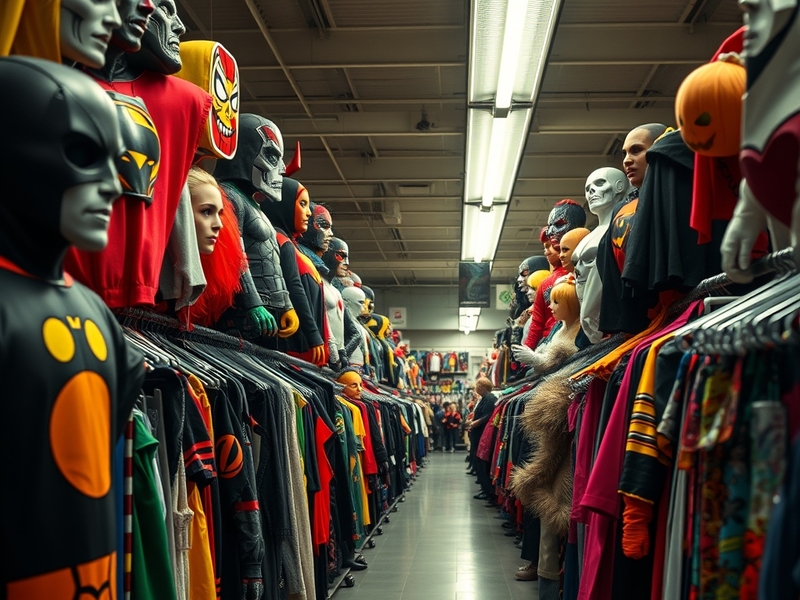
Target’s Halloween costume aisle has quietly become one of the most important cultural barometers of the season. What started as a seasonal merchandise section has expanded into a year-round revenue stream, reflecting broader shifts in consumer behavior and retail strategy. The retailer’s approach—balancing affordability with trend-driven designs—has reshaped how families plan for October 31st, turning costume shopping from a one-off errand into a strategic investment in seasonal nostalgia.
How Target Turned Costumes Into a Year-Round Play
Target’s Halloween strategy isn’t just seasonal timing; it’s a calculated expansion of the holiday into a perpetual revenue cycle. The retailer now launches costume previews as early as June, teasing upcoming trends through social media and in-store displays. This early engagement builds anticipation and positions Halloween as more than a single night—it’s a month-long event that consumers can plan for in advance.
By integrating costumes into its broader home and apparel divisions, Target creates cross-selling opportunities. A parent buying a child’s superhero cape might also pick up coordinating decorations or candy, turning a $20 purchase into a $50 trip. The retailer’s private-label costumes—often priced 20-30% below licensed brands—further drive volume, making Halloween a volume play rather than a margin one.
This strategy reflects a deeper retail evolution: the blurring of seasonal boundaries. Where Halloween once peaked in late October, Target’s early launches now stretch the season from summer to post-Halloween clearance. The approach mirrors trends in fast fashion, where trends cycle faster and consumer engagement lasts longer.
The Psychology Behind Target’s Costume Dominance
Target’s costume success hinges on psychological triggers that go beyond price points. The retailer leverages FOMO (fear of missing out) by highlighting limited-edition designs and exclusive collaborations, such as its annual Disney and Marvel partnerships. These exclusives create urgency, pushing consumers to buy early rather than risking sold-out sizes or styles.
Another key driver is nostalgia marketing. Target’s costume lineup often cycles back to ’80s and ’90s pop culture, tapping into generational memories. A 40-year-old buying a Ghostbusters jumpsuit isn’t just dressing a child—they’re reliving their own childhood. This emotional connection fosters brand loyalty and repeat purchases year after year.
The retailer also excels at social proof, using in-store mannequins and online reviews to showcase how costumes look on real bodies. Unlike pure e-commerce players, Target’s physical presence allows shoppers to visualize themselves (or their kids) in a costume, reducing purchase hesitation. This tactile experience is a critical differentiator in an increasingly digital retail landscape.
Key Takeaways: What Makes Target’s Halloween Strategy Work
Target’s Halloween costume dominance isn’t accidental. It’s the result of deliberate choices across product development, marketing, and retail execution. Below are the core principles driving its success:
- Early Engagement: Launching previews in June builds anticipation and stretches the shopping season.
- Affordable Exclusivity: Private-label and licensed collaborations create perceived scarcity without premium pricing.
- Cross-Selling Synergies: Costumes tie into home decor, candy, and apparel, boosting basket sizes.
- Nostalgia as Currency: Retro pop culture references resonate across generations, driving emotional purchases.
- Tactile Retail Experience: In-store try-ons and visual merchandising reduce online purchase friction.
The Broader Implications for Retail and Culture
Target’s Halloween strategy isn’t just a seasonal win—it’s a blueprint for how retailers can redefine holiday shopping. By treating Halloween as a year-round category rather than a one-month event, Target has reshaped consumer expectations. Other retailers, from Walmart to Amazon, have followed suit, expanding their own seasonal offerings to compete.
Culturally, this shift reflects a broader trend: the commercialization of holidays into extended experiences. Halloween is no longer just October 31st; it’s a month-long spectacle with costumes, parties, and decorations. Target’s role in this evolution underscores its position as a trendsetter, not just a trend-follower. The retailer’s ability to balance mass appeal with niche exclusivity has made it a go-to destination for families, cosplayers, and pop culture enthusiasts alike.
Yet, there are trade-offs. The extended Halloween season places pressure on consumers to spend more, earlier—a potential pitfall in an inflationary economy. Some critics argue that the commercialization of Halloween erodes its playful, community-driven roots, turning it into just another retail holiday. Target’s challenge will be maintaining its relevance without over-saturating the market.
For now, though, the strategy is working. Target’s Halloween costume sales have grown steadily, outpacing competitors in both revenue and market share. As the retailer continues to refine its approach—experimenting with AI-driven trend forecasting and sustainable costume lines—it’s clear that Halloween is no longer just a holiday for Target. It’s a year-round business.
For costume shoppers looking to stay ahead of the curve, early planning remains the best strategy. Whether it’s a licensed character look or a DIY creation, Target’s aisles will be the first to offer the season’s hottest trends—proof that in retail, timing is everything.