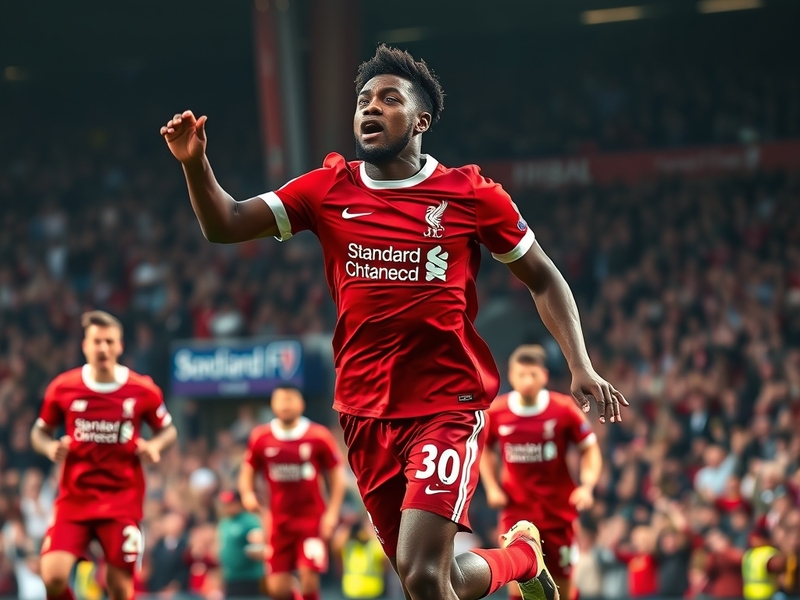
Liverpool’s pursuit of PSV Eindhoven forward Cody Gakpo has dominated European football headlines this winter, blending tactical intrigue with financial savvy. The Dutch international, known for his electrifying pace and clinical finishing, has become the subject of intense speculation as Jurgen Klopp’s side looks to bolster their attack. But this transfer saga isn’t just about one player—it reflects deeper trends in football economics, tactical evolution, and the shifting power dynamics between clubs in the post-Brexit Premier League era.
Gakpo, 24, has quickly established himself as one of the Eredivisie’s most dynamic talents since breaking into PSV’s first team in 2018. His development under manager Ruud van Nistelrooy has drawn comparisons to former PSV stars like Arjen Robben and Ruud van Nistelrooy himself—players who transcended Dutch football to become global icons. Yet, unlike those legends, Gakpo’s rise coincides with a football landscape where data analytics and physical metrics now dictate transfer decisions as much as reputation or potential.
Why Liverpool Wants Cody Gakpo
Liverpool’s interest in Gakpo isn’t an impulse. Klopp’s team has struggled with consistency in front of goal this season, particularly after the departure of Sadio Mané and the injury-prone nature of Diogo Jota. Gakpo offers a hybrid profile: part winger, part striker, capable of stretching defenses with his 30.5 km/h sprint speed and converting chances with a 22% conversion rate in the Eredivisie. But more importantly, he fits Liverpool’s pressing system—his work rate off the ball and ability to link play make him ideal for a team that dominates possession yet often lacks cutting edge.
According to reports from trusted football insiders, Liverpool’s scouting network has been monitoring Gakpo since his breakout 2021–22 season, when he scored 21 goals in all competitions. His versatility allows him to play on either flank or as a false nine, giving Klopp tactical flexibility—a luxury Liverpool can’t afford to ignore with a congested fixture list and European ambitions.
The Financial and Cultural Stakes
Gakpo’s potential transfer fee—reportedly between £35 million and £45 million—reflects a broader shift in football economics. Dutch clubs, traditionally seen as talent incubators for bigger leagues, now command higher prices due to increased competition from Saudi clubs, American investors, and European giants. PSV, under financial pressure from UEFA’s Financial Fair Play regulations, may be forced to sell their prized asset despite his contract running until 2026.
The cultural dimension of this transfer is equally compelling. Gakpo is of Ghanaian heritage, and his potential move to Liverpool—home to a historic Black community and a club with a complex legacy on race and inclusion—adds a layer of symbolism. Liverpool has long struggled with its identity in the fight against racism, from the Hillsborough disaster to recent controversies involving fans. Gakpo’s arrival could be seen as both a sporting and social statement, aligning with the club’s stated commitment to diversity and inclusion under owners Fenway Sports Group.
Global Context: The Transfer Market’s New Realities
Gakpo’s situation mirrors a wider trend in European football. Clubs are increasingly turning to Eredivisie players as a cost-effective alternative to the inflated prices of La Liga or Premier League stars. The Dutch league’s emphasis on youth development and attacking football has made it a hotbed for Premier League scouts. But this trend also raises concerns about the long-term health of smaller leagues. If top talents like Gakpo are consistently poached, the Eredivisie risks becoming a mere stepping stone rather than a competitive league in its own right.
From a tactical perspective, Gakpo’s potential arrival could signal a broader evolution in Premier League football. The league has seen a decline in traditional wingers in favor of inverted fullbacks and pressing forwards. Gakpo’s ability to play in multiple attacking roles makes him a modern prototype—a player who can adapt to both Klopp’s gegenpressing and the more possession-based systems favored by emerging managers like Mikel Arteta and Graham Potter.
What’s Next for Gakpo and Liverpool?
As of January 2024, negotiations between Liverpool and PSV remain fluid. Gakpo’s agent, Mino Raiola’s former associate, has been in talks with Liverpool’s sporting director, Julian Ward. But the deal faces hurdles: PSV’s demand for a sell-on clause, Liverpool’s reluctance to meet the full asking price upfront, and Gakpo’s own desire for Champions League football. His agent has reportedly advised patience, suggesting that a summer move might be more advantageous.
For Liverpool, this transfer is about more than just adding a new player—it’s about reaffirming their status as a global football powerhouse. The club’s recent struggles have led to questions about Klopp’s future, and a marquee signing could provide a much-needed morale boost. Yet, the pressure to succeed in Europe remains immense. Gakpo’s arrival would not only strengthen the squad but also send a message to rivals like Manchester City and Arsenal that Liverpool are still in the race.
From PSV’s perspective, selling Gakpo would be a financial necessity. The club’s revenue has been impacted by the pandemic and stiff competition from Ajax and Feyenoord. But the emotional cost of losing a homegrown talent is significant. PSV’s recent tradition of developing stars like Virgil van Dijk and Memphis Depay has been a point of pride. Letting Gakpo go could be seen as a step backward, even if the financial windfall is substantial.
Broader Implications for Football
The Gakpo transfer saga underscores several key trends in modern football:
- Rise of data-driven recruitment: Clubs now prioritize players with specific physical and technical profiles, often relying on algorithms to identify undervalued talent.
- Financial pragmatism: Even traditional powerhouses like PSV must balance sporting ambition with financial survival.
- Globalization of player pathways: Dutch football’s role as a talent conveyor belt is being tested by the increasing financial might of clubs outside Europe.
- Cultural representation: The Premier League’s push for diversity is not just a moral issue but a competitive advantage in attracting global talent.
As negotiations continue, one thing is clear: Cody Gakpo’s future will be shaped by more than just football. It will reflect the economic pressures of the modern game, the cultural aspirations of clubs and players, and the ever-changing dynamics of European football’s power structure. For Liverpool, he represents a chance to reclaim their attacking potency. For PSV, he is a symbol of what could be lost in the relentless pursuit of success. And for football fans worldwide, his story is a reminder of how the beautiful game continues to evolve—sometimes in ways no one could have predicted.