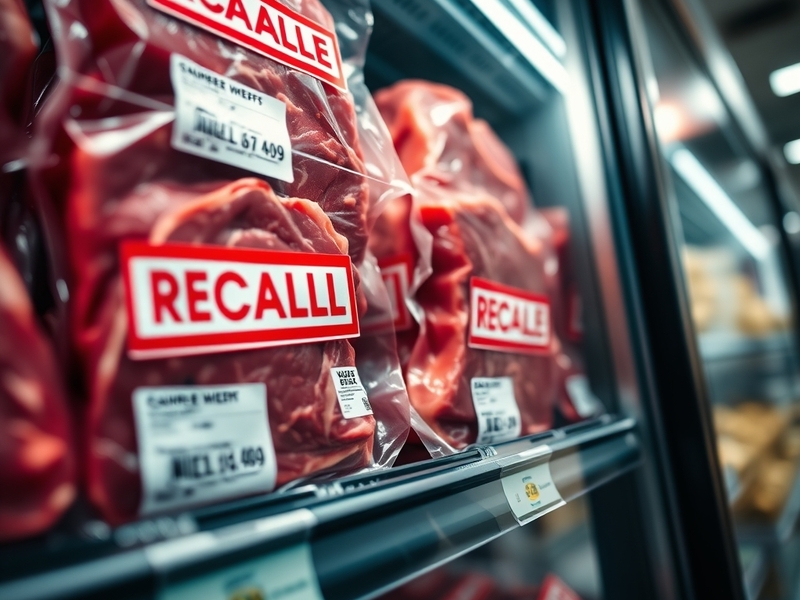
The U.S. Department of Agriculture’s Food Safety and Inspection Service (FSIS) recently issued a public health alert after detecting potential bacterial contamination in ground beef products distributed across multiple states. The recall affects several brands and includes products sold both fresh and frozen, with packaging dates ranging from early spring through late summer. Consumers are advised to check their refrigerators and freezers immediately, as affected products may still be in circulation weeks after initial distribution.
Why the recall happened and what consumers should know
The FSIS initiated the recall after routine testing revealed the presence of E. coli O157:H7, a potentially harmful bacterium that can cause severe foodborne illness. Symptoms typically appear within two to eight days after exposure and may include severe stomach cramps, diarrhea (often bloody), and vomiting. The agency traced the contamination back to a processing facility in Kansas, where equipment sanitation protocols may have failed. The recall includes over 28,000 pounds of ground beef, a significant volume that underscores the scale of the issue.
Consumers who have purchased ground beef in the last two months should check the product labels carefully. The affected products bear establishment numbers “EST. 940A” or “EST. 19604” inside the USDA mark of inspection. These numbers can usually be found on the packaging near the sell-by date. If you spot a match, discard the product immediately or return it to the place of purchase for a full refund. The FSIS has also set up a recall hotline at 1-888-674-6854 for additional questions.
The broader impact on local markets and supply chains
The recall has sent ripples through regional grocery chains and butcher shops, particularly in the Midwest and parts of the South where affected products were widely distributed. Local butchers and small-scale meat processors report a sudden drop in ground beef sales as customers grow wary of purchasing any fresh meat. One grocery store manager in Missouri noted that sales of ground beef dropped by nearly 40% in the days following the recall announcement, forcing the store to temporarily discount other cuts to compensate.
The disruption extends beyond retail. Several school districts and institutional cafeterias that source ground beef from bulk suppliers have temporarily switched to alternative proteins like chicken or turkey. The National School Lunch Program, which serves over 30 million children daily, has paused orders from affected suppliers pending further testing. This shift has placed additional strain on already tight poultry supply chains, highlighting the interconnected nature of food safety and public health.
According to industry analysts, the economic impact could top $15 million in lost sales and recall-related costs for producers alone. Smaller farms that supply these processors may face even greater hardship, as contract cancellations and delayed payments threaten their operations. The recall serves as a stark reminder of how quickly a single food safety incident can cascade through the food system, affecting farmers, retailers, and consumers alike.
How to stay safe and what to do if you’ve been affected
Food safety experts recommend several precautions to minimize risk during recalls of this nature. First, always cook ground beef to an internal temperature of 160°F (71°C) to kill harmful bacteria. Use a food thermometer for accuracy, and avoid tasting raw or undercooked meat. Second, practice good kitchen hygiene by washing hands, utensils, and surfaces that come into contact with raw meat. Cross-contamination is a major contributor to foodborne illness, especially in households with children or elderly individuals.
If you or someone in your household has consumed ground beef in the past two weeks and is experiencing symptoms such as severe abdominal pain, bloody diarrhea, or fever, seek medical attention immediately. Keep a sample of the suspected food if possible, as it may aid in laboratory testing. The Centers for Disease Control and Prevention (CDC) has reported a 12% increase in E. coli cases in the affected regions since the recall was announced, though not all are directly linked to this incident.
For those concerned about long-term effects, most healthy adults recover within a week without complications. However, children under five, older adults, and individuals with weakened immune systems are at higher risk for severe outcomes, including hemolytic uremic syndrome (HUS), a type of kidney failure. Hospitals in the affected states have seen a rise in related admissions, though most cases have been managed with supportive care.
Lessons learned and what’s next for food safety
This recall comes on the heels of several high-profile food safety failures in recent years, prompting calls for stricter oversight and transparency in the meat processing industry. Critics argue that current regulations, while robust, often lag behind industry consolidation and technological changes. The FSIS has faced scrutiny over its inspection protocols, particularly in high-volume facilities where speed of processing can compromise thoroughness.
In response, the agency has announced plans to increase unannounced inspections at processing plants and implement real-time microbial testing in select facilities. The USDA is also exploring the use of blockchain technology to trace contaminated products more efficiently, reducing the time between detection and recall. Industry groups, including the North American Meat Institute, have pledged to review sanitation standards and employee training programs in light of the incident.
For consumers, the recall underscores the importance of staying informed. The FSIS maintains an up-to-date list of recalls on its website, and many grocery chains now offer text alerts for product recalls. Bookmarking these resources can help you respond quickly in the event of future alerts. As supply chains grow more global and complex, vigilance at every level—from farm to fork—remains the best defense against foodborne illness.
The ground beef recall is a sobering reminder that food safety is not a given. It requires constant vigilance, investment in technology, and a commitment to transparency from every player in the food system. Until those standards are met, incidents like this will continue to disrupt lives and erode trust in the food we eat every day.