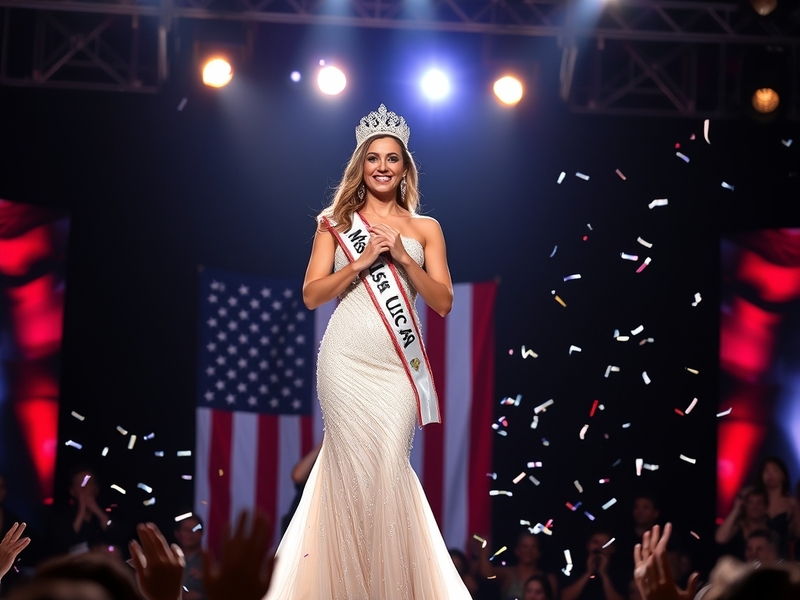
As the countdown to 2026 begins, the Miss USA competition is already stirring conversation long before the first contestant steps onto the stage. The pageant, known for blending glamour with cultural commentary, is preparing for its next iteration under new leadership and a shifting social landscape. With the organization’s recent restructuring and renewed focus on community impact, the upcoming edition could mark a turning point in how beauty, ambition, and advocacy intersect on a national platform.
The Evolution of Miss USA: From Pageantry to Platform
Miss USA has undergone significant transformation since its inception in 1952. Originally a platform for traditional beauty ideals, the competition has steadily evolved into a stage for personal narratives, philanthropic work, and public advocacy. The 2026 edition arrives at a moment when pageantry itself is being redefined—less about rigid standards and more about authenticity, resilience, and influence.
Recent years have seen Miss USA winners leverage their titles to address pressing issues, from mental health awareness to voter registration. This shift reflects broader societal expectations: audiences no longer tolerate performative perfection without substance. The 2026 competition will likely emphasize how contestants address real-world challenges, whether through community service projects, media appearances, or partnerships with nonprofit organizations.
In response to criticism over outdated stereotypes, the Miss USA organization has introduced stricter guidelines on inclusivity and professional conduct. Contestants are now evaluated not only on poise and appearance but also on their ability to articulate thoughtful perspectives on topics like gender equality, sustainability, and economic mobility. This evolution suggests that the 2026 winner may be remembered less for a flawless smile and more for the causes she champions.
What to Expect from the 2026 Competition
The next Miss USA pageant will take place against the backdrop of a rapidly changing media landscape. Streaming platforms, social media challenges, and interactive voting systems are reshaping how audiences engage with live events. Organizers have hinted at integrating digital innovations to broaden participation and accessibility, potentially allowing global viewers to influence parts of the competition in real time.
Another notable change is the renewed emphasis on STEM (Science, Technology, Engineering, and Mathematics) advocacy. Past winners have often highlighted education and innovation in their platforms, but 2026 organizers are reportedly rolling out a dedicated initiative encouraging contestants to promote careers in STEM fields. This move aligns with national efforts to close gender gaps in technology and research, positioning Miss USA as a promoter of both personal and professional empowerment.
The judging panel is expected to reflect this modernized approach. While traditional elements like evening gown and interview segments remain, there is growing speculation about new criteria such as “digital presence” and “social impact.” Contestants may be required to demonstrate how they’ve used their platforms to drive change—whether through viral campaigns, nonprofit work, or public speaking engagements.
To provide context, here are key elements likely to define the 2026 Miss USA experience:
- Enhanced Digital Integration: Live audience polling via social media, behind-the-scenes content on TikTok and Instagram, and virtual meet-and-greets with contestants.
- STEM Advocacy Focus: A new category encouraging contestants to showcase involvement in science, technology, engineering, or mathematics education and career readiness.
- Stricter Inclusivity Guidelines: Mandates on racial, cultural, and body diversity among contestants, with penalties for non-compliance.
- Community Impact Score: A judging metric rewarding contestants who demonstrate measurable contributions to local or global causes.
- Sustainability Theme: The pageant may incorporate eco-friendly practices in staging, attire, and promotional materials.
Broader Implications: Pageantry in a New Social Era
The Miss USA competition has always been a mirror of American values—sometimes reflecting progress, other times lagging behind it. The 2026 edition arrives at a crossroads where beauty pageants are increasingly scrutinized for their relevance and ethics. With declining television ratings and rising skepticism toward traditional institutions, pageant organizations face pressure to justify their existence beyond spectacle.
Yet, Miss USA has also shown remarkable adaptability. Unlike beauty pageants of the past, which often prioritized conformity, today’s iterations celebrate individuality and purpose. Contestants are encouraged to bring their full identities to the stage—whether as mothers, entrepreneurs, artists, or activists. This inclusivity not only enriches the competition but also strengthens its cultural resonance.
Another layer of significance lies in the pageant’s role in national conversations. Miss USA has long been a platform for political and social commentary, from racial justice to climate action. The 2026 winner will inherit a mantle of influence, expected to comment on issues of the day with nuance and authority. In an era of polarized discourse, the ability to navigate complex topics with diplomacy could elevate the role from ceremonial to consequential.
Moreover, the competition serves as a barometer for shifting beauty standards. With body positivity movements gaining traction and social media challenging traditional ideals, Miss USA’s evolution reflects broader cultural shifts. The 2026 pageant may feature more diverse body types, ages, and expressions of identity, signaling a departure from the one-size-fits-all glamour of previous decades.
Why the 2026 Miss USA Matters
Beyond the sparkle of the crown and sash, the Miss USA competition represents a microcosm of American aspiration. It’s a space where ambition meets advocacy, where personal style intersects with societal change. The 2026 edition, in particular, could redefine what it means to be a beauty queen in the 21st century—not as an outdated relic, but as a modern advocate, a digital influencer, and a voice for progress.
For young women watching at home, the pageant offers more than role models; it provides a blueprint for merging confidence with purpose. Whether through entrepreneurship, public service, or creative expression, the contestants of 2026 will embody the ideals of the new American dream: to shine brightly while lifting others along the way.
As the competition approaches, all eyes will be on how Miss USA balances tradition with transformation. The 2026 winner may not only capture a title but also redefine what it means to represent a nation—one that values both beauty and brains, glamour and grit.