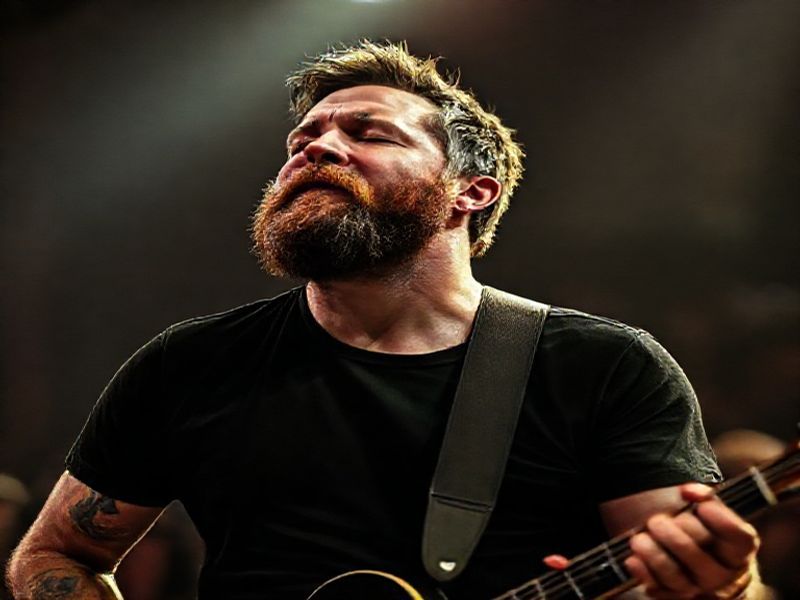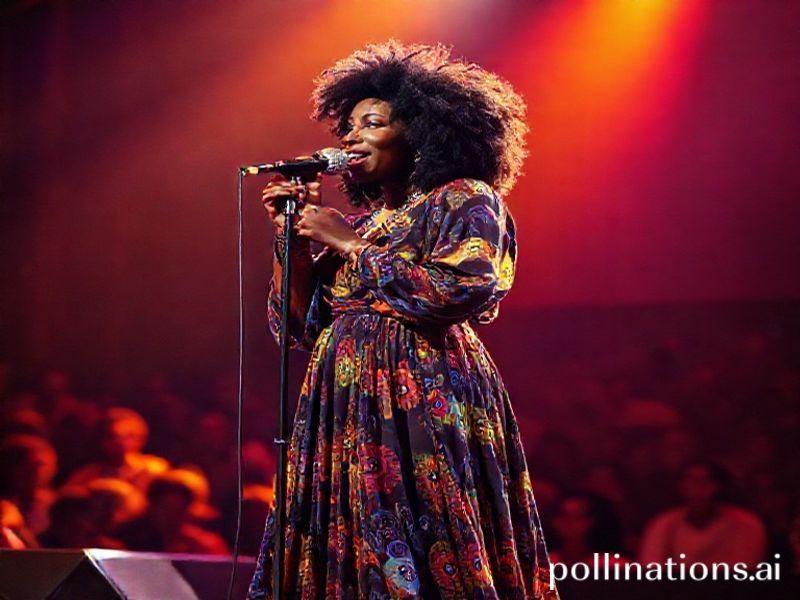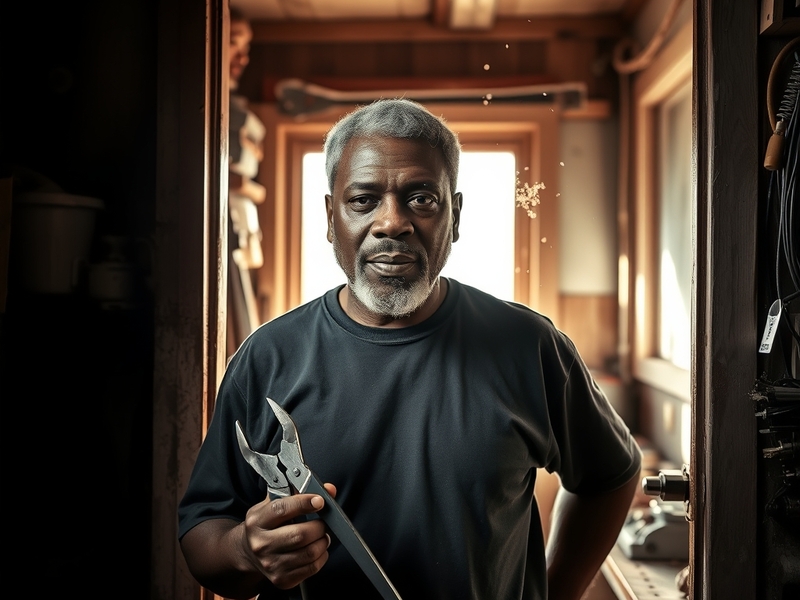
Jamal Haynes has quietly emerged as one of the most influential voices in modern urban music, bridging gaps between hip-hop, R&B, and Afrobeat while maintaining a distinctly global perspective. His rise from a small-town producer in Atlanta to a sought-after collaborator for artists across three continents reflects more than just musical talent—it signals a shift in how urban sounds are crafted and consumed worldwide.
The Early Years: Atlanta’s Unlikely Architect
Born in the late 1980s in College Park, Georgia, Haynes grew up in a musical household where gospel, soul, and early hip-hop competed for airtime. His father, a church musician, and his mother, a schoolteacher with a deep love for Motown, created an environment where rhythm and melody were as natural as conversation. By age 12, Haynes was deejaying at local block parties, spinning records and experimenting with sound systems that weren’t built for subtlety.
The Atlanta of the early 2000s was a musical cauldron—a city where OutKast, T.I., and Usher redefined Southern hip-hop and R&B. Haynes absorbed it all, but he wasn’t content with imitation. He began sampling obscure vinyl records from Ghanaian highlife artists and Jamaican dub producers, blending these influences into beats that felt both familiar and fresh. His early work caught the attention of local artists, but it was his 2012 instrumental project Midnight in Accra—a fusion of trap drums and West African rhythms—that first crossed borders, earning him a following in London and Lagos.
Breaking Boundaries: The Global Sound Architect
Haynes’ breakthrough came not through a single viral hit, but through a reputation for crafting sonic bridges. He has worked behind the scenes with artists from Burna Boy to J. Cole, but his most defining collaborations have been those that defy genre and geography. His 2018 single “Sankofa Flow,” produced with Ghanaian rapper Medikal, became a club anthem in Accra and a viral sleeper hit in Brooklyn, showcasing how local sounds could transcend regional boundaries when arranged with intention.
What sets Haynes apart is his approach to rhythm. While many producers chase tempo and drop intensity, he focuses on texture and space. His beats often feel like conversations—where a hi-hat might mimic a talking drum, or a synth line could be the voice of a griot from the Sahel. This philosophy has made him a favorite among artists who want their music to feel rooted yet expansive.
In 2021, he launched Haynes Collective, a production studio and cultural lab in Atlanta that serves as both a recording space and a think tank for urban music innovation. The studio hosts artists from Nigeria, Brazil, and the Caribbean, fostering collaborations that might never happen in traditional studio settings. One of the collective’s most notable projects was the 2023 album Crossroads Symphony, which featured 12 artists from six countries, each contributing a track rooted in their local musical tradition but arranged under Haynes’ rhythmic guidance.
The Cultural Impact: More Than Beats and Bars
Haynes’ influence extends beyond music into cultural dialogue. His work with Afrobeat artists has helped legitimize the genre in Western markets without erasing its African identity. In interviews, he often speaks about “rhythmic diplomacy”—using music as a tool to foster understanding across cultures. This idea resonated deeply in 2022 when he curated a sound installation at the Global Voices Festival in Berlin, where visitors walked through rooms designed to represent different rhythmic traditions, from Congolese soukous to Chicago house.
He’s also been vocal about the need for Black artists to control their sonic narratives. In a 2023 interview with Pitchfork, he criticized the trend of Western producers “cleaning up” Afrobeats for global pop markets, arguing that authenticity shouldn’t be sacrificed for accessibility. “A beat isn’t just a tempo,” he said. “It’s a history. It’s a geography. You can’t strip that away and expect the music to still mean something.”
This perspective has made him a mentor to younger producers, especially those from the African diaspora. He regularly hosts workshops in Accra, Kingston, and Atlanta, teaching the next generation how to blend traditional sounds with modern production without losing their cultural core.
The Future: What Comes Next for Jamal Haynes
As Haynes approaches his 40th birthday, he shows no signs of slowing down. He’s currently working on a film score for a Nollywood director and developing an AI-assisted music project that uses traditional African rhythms as the foundation for new compositions. “I’m not interested in replacing humans with machines,” he explains. “I’m interested in seeing what happens when a Yoruba talking drum meets a neural network.”
His most ambitious project to date is Rhythm Without Borders, a global music festival designed to travel across continents, starting in Lagos and ending in Tokyo. Each stop features local artists performing alongside Haynes’ curated ensemble, creating a living map of urban rhythm. The first edition, held in 2024 in Lagos, drew over 20,000 attendees and featured performances from Davido, Noname, and Japanese jazz collective Soil & “Pimp” Sessions.
Looking ahead, Haynes sees music as a force for both cultural preservation and innovation. “We’re living in a time where algorithms want to flatten everything into the same sound,” he says. “But rhythm is wild. It’s unpredictable. It’s the one thing we can’t automate away.”
Whether through studio work, live performance, or education, Jamal Haynes is redefining what it means to be a modern producer—not just as a craftsman of sound, but as an architect of cultural connection. His music doesn’t just play in your ears; it travels through your body, across borders, and into the future.