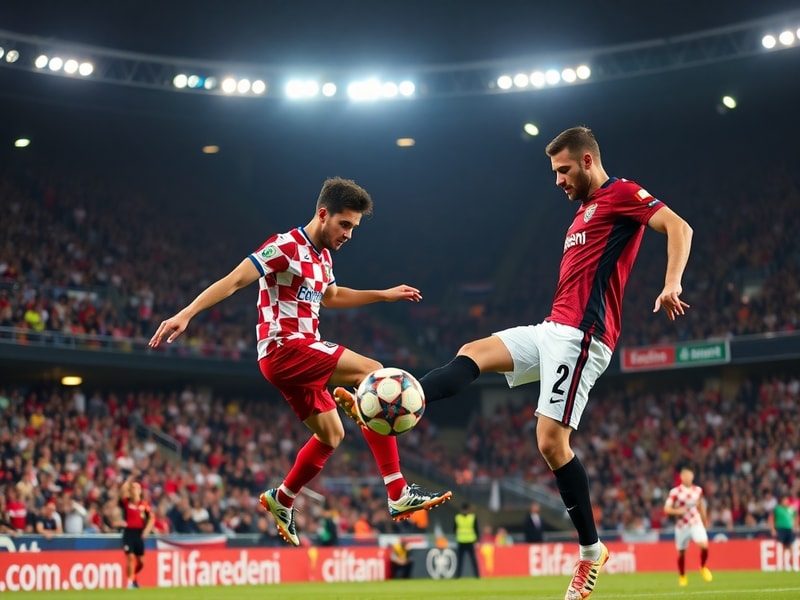
When Juventus and Parma collided in the late 1990s, they weren’t just two clubs sharing a pitch—they were symbols of two radically different footballing philosophies. One represented the ruthless ambition of Serie A’s industrial powerhouse; the other embodied the underdog resilience of a provincial side that had risen from obscurity to national prominence. The rivalry wasn’t merely about points or trophies. It was a clash of ideologies: pragmatism versus passion, wealth versus grit, and the eternal question of whether money or heart wins in football.
From Parmalat to the Parquet: Parma’s Miraculous Rise
Parma’s journey from Serie B obscurity to European contenders in the early 1990s reads like a fairy tale. Financially backed by the Parmalat dairy empire, the club invested wisely under the shrewd leadership of chairman Calisto Tanzi and manager Nevio Scala. Instead of chasing big-name stars, they built a cohesive unit through smart recruitment and tactical discipline. Players like Fabio Cannavaro, Lilian Thuram, and Hernán Crespo became global icons, not for their paychecks, but for their performances.
By 1995, Parma had won the UEFA Cup, the European Super Cup, and the Coppa Italia. They were no longer the plucky minnows—they were legitimate challengers. Yet for all their continental success, one trophy remained elusive: the Scudetto. That’s where Juventus entered the conversation. The Old Lady, already a serial champion with a squad packed with stars like Alessandro Del Piero and Zinedine Zidane, represented the pinnacle of Italian football. Every match between the two became a test of identity: could Parma’s collective spirit topple Juventus’ individual brilliance?
The 1996–97 Clash: When Parma Held the Mirror to Juventus
The 1996–97 Serie A season was a turning point. Juventus entered the campaign as defending champions, fresh off a Champions League final defeat to Ajax. Parma, meanwhile, had just lost Thuram and Buffon to Juventus—ironically strengthening both sides. Their first meeting came on October 6, 1996, at the Stadio Ennio Tardini. What followed was a tactical masterclass.
Juventus dominated possession but found Parma’s defense impenetrable. The visitors relied on Del Piero’s creativity, but Parma’s midfield trio of Dino Baggio, Fernando Couto, and Juan Sebastián Verón suffocated the midfield. A 0-0 draw sent a message: Parma could stand toe-to-toe with anyone.
When the sides met again on March 23, 1997, the stakes were higher. Juventus needed points to keep pace with Milan in the title race. Parma, meanwhile, were still in the hunt for a top-four finish. The match at the Stadio delle Alpi ended 1-1, with Zidane scoring a late equalizer after a controversial penalty call. The result preserved Juventus’ momentum, but Parma’s spirit had not been broken.
Legacy Beyond the Scoreboard
The Juventus vs. Parma rivalry faded as Parma’s financial collapse in the early 2000s forced a descent into Serie B and lower divisions. Juventus, meanwhile, continued to dominate, though their model shifted from youth development to mega-transfers. Yet the lessons of that era endure. Parma’s success proved that a club didn’t need to be a financial colossus to compete—it needed vision, coherence, and a refusal to accept limits.
For Juventus, the rivalry was a reminder that talent alone isn’t enough. Their struggles against Parma—teams often built with less—highlighted the fragility of relying solely on star power. It was a lesson they would relearn years later with the rise of Napoli, Atalanta, and Sassuolo.
What the Rivalry Teaches Modern Football
In today’s era of financial fair play and super-clubs, the Juventus vs. Parma dynamic feels almost quaint. Yet its principles remain vital. Consider the rise of Brentford in the Premier League or Union Saint-Gilloise in Belgium—clubs punching above their weight through smart recruitment and identity. Parma’s model was the original blueprint.
Juventus, for their part, have oscillated between dominance and decline, a reflection of their shifting philosophy. Their recent struggles to return to the Champions League top table mirror the identity crisis that once defined their battles with Parma: they are a giant searching for its soul.
Both clubs now exist in different realities. Juventus is a global brand, while Parma fights to reclaim its former glory. But the echoes of their battles still resonate in Serie A’s DNA. They remind us that football is not just about the destination—it’s about the journey, the philosophy, and the people who make it possible.
Key Takeaways from the Juventus vs. Parma Rivalry
- Underdog resilience: Parma proved that with smart management and teamwork, smaller clubs can challenge the elite.
- Tactical depth: Their matches were chess games, not just athletic contests, showcasing the importance of midfield control.
- Financial pragmatism: Parma’s rise was built on sustainable investment, not reckless spending—a lesson still relevant today.
- Cultural impact: The rivalry reflected broader trends in Italian football, where clubs once rose and fell based on identity, not just budgets.
In an age where football often feels dominated by billionaires and broadcast deals, the Juventus vs. Parma story is a tonic. It’s a reminder that passion, planning, and principle can still shape the beautiful game.