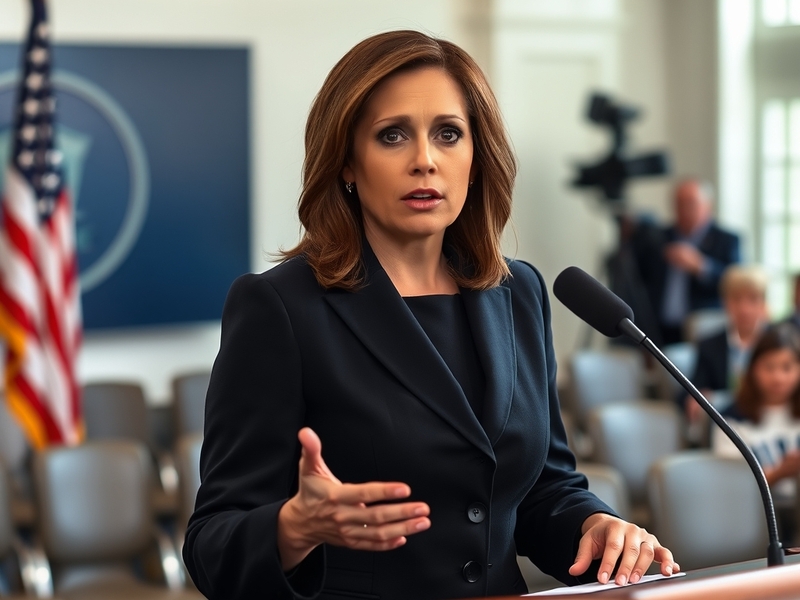
Kristen Welker has become one of the most recognizable faces in American journalism, known for her sharp interviewing style, poise under pressure, and steady rise through the ranks at NBC News. As the co-anchor of Weekend Today and a correspondent for NBC Nightly News, she has covered some of the most pivotal moments in recent U.S. politics and culture. Her work on high-profile interviews—from political figures to cultural icons—has cemented her reputation as a journalist who asks the tough questions without losing her composure.
Early Career and Rise in Journalism
Welker’s journey in journalism began long before she became a household name. Born in Philadelphia, she studied history at Harvard University, where she developed a keen interest in public policy and media. After graduating, she joined NBC News in 2005 as a producer for Weekend Today, quickly transitioning to on-air reporting. Her early assignments included covering local news in Boston and Washington, D.C., where she honed her skills in breaking news and political reporting.
By 2010, Welker had established herself as a White House correspondent, a role that would define much of her career. She covered the final years of the Obama administration, gaining firsthand experience in political journalism during a time of significant national transition. Her ability to distill complex policy debates into accessible reporting earned her respect among peers and viewers alike. By 2016, she had become a regular presence on Meet the Press, where her interviews with lawmakers and administration officials showcased her preparedness and professionalism.
Breaking Barriers as a Black Woman in Media
Welker’s success is particularly notable given the challenges faced by Black women in the media industry. Despite progress, newsrooms have historically lacked diversity, especially in anchor roles. Welker has spoken openly about the importance of representation, often highlighting how her presence on major networks helps pave the way for others. In 2020, she made history as the first Black woman to moderate a presidential debate in nearly 30 years, co-hosting the second debate between Donald Trump and Joe Biden. Her performance during that event was widely praised for its fairness and rigor, solidifying her status as a leading voice in political journalism.
Her career also reflects a broader shift in how networks approach diversity in on-air talent. Welker’s rise coincided with increased scrutiny over racial and gender representation in media, forcing institutions to reckon with long-standing inequities. While she has avoided making her identity the sole focus of her narrative, she has consistently used her platform to advocate for more inclusive storytelling. In interviews, she has emphasized the need for journalists to reflect the communities they cover, a principle that guides her work both on and off the air.
Signature Interview Style and Notable Moments
What sets Welker apart is her interview style—direct yet respectful, probing without being confrontational. She is known for her meticulous preparation, often immersing herself in policy details before sitting down with high-profile guests. This approach was evident during her 2021 interview with Kamala Harris, where she asked the vice president pointed questions about voting rights and the administration’s legislative agenda. The conversation was widely cited for its balance and depth, earning praise from viewers and critics alike.
Another defining moment came in 2023, when she interviewed former President Donald Trump about his legal troubles and political future. The exchange was tense at times, with Trump challenging Welker’s line of questioning, but she maintained her composure, ensuring the discussion stayed focused on substance. Such interviews are a testament to her ability to handle pressure, a skill that has become increasingly valuable in an era of polarized politics.
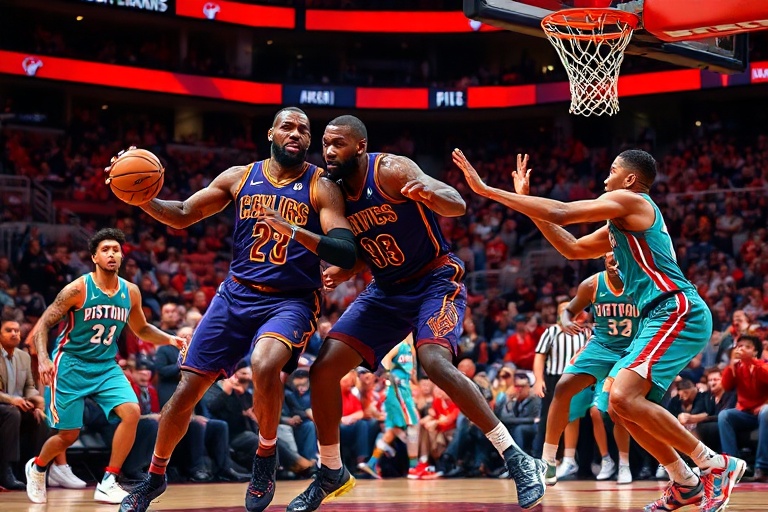
Welker’s versatility extends beyond politics. She has interviewed musicians like Beyoncé, athletes such as LeBron James, and business leaders including Elon Musk. Each conversation reveals her adaptability—whether she’s discussing cultural trends or economic policy, she tailors her approach to the subject. This range has made her a sought-after journalist, capable of engaging audiences across demographics.
Personal Life and Public Persona
Despite her high-profile career, Welker has managed to keep her personal life relatively private. She is married to John Hughes, a public relations executive, and the couple has one daughter. In interviews, she has described motherhood as both a joy and a challenge, especially while balancing a demanding career. Her openness about the difficulties of work-life balance has resonated with many viewers, humanizing her in an industry often criticized for its lack of authenticity.
Welker’s public persona is carefully curated but not overly polished. She is often described as warm and approachable, a contrast to the sometimes austere image of political reporters. This relatability has helped her build a loyal following, particularly among younger audiences who are drawn to her authenticity. Yet, she remains disciplined, avoiding the pitfalls of celebrity journalism that can sometimes overshadow substance.
Legacy and Future in Journalism
As Welker continues to ascend in her career, her legacy is still being written. She is frequently mentioned as a potential successor to major anchor roles, including at NBC Nightly News, where she has already contributed significantly. Her presence in the industry comes at a critical time, as trust in media continues to erode amid misinformation and political polarization. Journalists like Welker, who prioritize accuracy and fairness, play a vital role in rebuilding that trust.
Looking ahead, Welker’s focus seems to be on expanding her influence while staying true to her journalistic roots. She has hinted at exploring documentary work and other long-form storytelling, which could further showcase her range. Whatever path she chooses, her impact on journalism is already undeniable. For aspiring reporters, particularly women and people of color, she represents what’s possible with talent, preparation, and perseverance.
In an era where media is often criticized for its sensationalism, Welker’s career offers a reminder of the importance of substance. Whether she’s moderating a debate, interviewing a world leader, or reporting from the campaign trail, she brings a level of professionalism that is increasingly rare. As networks compete for viewers’ attention, her ability to deliver substantive journalism without sacrificing engagement sets her apart.
For those interested in political journalism or the evolving role of women in media, Welker’s work is worth following closely. Her career is a case study in how to navigate an industry in flux while maintaining integrity. And if her trajectory is any indication, the best of her journalism may still be ahead.
- Explore more political coverage on Dave’s Locker.
- Read in-depth analysis of media trends and journalism.