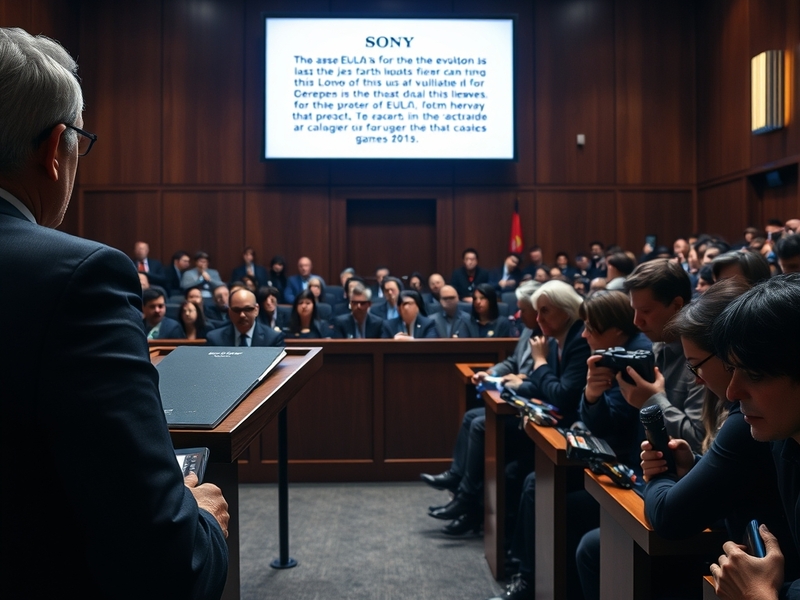
Sony’s digital game ownership lawsuit has sent ripples through the gaming community, forcing players and industry observers to confront long-standing questions about digital rights. At the heart of the controversy is a class-action suit filed in California, alleging that Sony misled consumers by selling games through its PlayStation Store under the guise of permanent ownership—only to later remove titles without refunds or adequate compensation.
The lawsuit, filed in 2023 and still ongoing, targets Sony Interactive Entertainment (SIE) for practices that critics argue undermine the very concept of digital ownership. Players who purchased games through the PlayStation Store assumed they would retain access to those titles permanently, much like physical copies. However, Sony’s ability to delist or remove games—sometimes without warning—has exposed a fundamental discrepancy between consumer expectations and the actual terms of service.
The Core Allegations Against Sony
Plaintiffs in the lawsuit argue that Sony engaged in deceptive trade practices by failing to disclose the true nature of digital ownership. The complaint highlights several key issues:
- False Representation of Ownership: Players were led to believe they owned their digital games, when in reality, they were merely granted a license to access them.
- Sudden Game Removals: Titles have been pulled from the PlayStation Store with little notice, leaving players without refunds or replacements.
- Lack of Transparency: Sony’s terms of service were often buried in fine print, making it difficult for consumers to fully understand their rights—or lack thereof.
One of the most cited examples involves The Last of Us Part II, which was temporarily removed from the PlayStation Store in 2021 due to a server issue. While the game was later restored, players who had purchased it during the outage reported being unable to access it for days. Sony eventually issued a refund to affected users, but the incident underscored the fragility of digital ownership.
Sony’s Defense and Broader Industry Implications
Sony has responded to the lawsuit by arguing that its terms of service have always made it clear that digital purchases do not constitute ownership. The company maintains that users agree to these terms upon purchasing a game, even if they rarely read them in full. Sony’s legal team has also emphasized that the removal of games is typically due to licensing agreements with publishers, not arbitrary decisions by Sony itself.
However, the lawsuit raises broader questions about the entire digital marketplace. Sony is far from the only company to operate under such terms. Nearly every major gaming platform—from Xbox to Nintendo—employs similar licensing agreements. The case could set a precedent that forces the industry to rethink how digital purchases are marketed and regulated.
If the plaintiffs succeed, it could lead to mandatory disclaimers about digital ownership, stricter refund policies, or even changes to how games are distributed. For now, Sony has not indicated any plans to alter its policies, but the legal battle has already sparked discussions among gamers about whether they should rethink their digital purchases altogether.
What This Means for Gamers
The outcome of this lawsuit could have far-reaching consequences for how gamers interact with digital content. Here’s what players should consider:
- Understand Your Rights: Before purchasing a digital game, review the terms of service to know what you’re actually buying. If ownership isn’t guaranteed, consider whether you’re comfortable with that.
- Backup Your Purchases: Some players have turned to third-party services to back up their game files, though this is not a foolproof solution and may violate terms of service.
- Push for Change: The lawsuit highlights the need for clearer regulations around digital ownership. Gamers can advocate for stronger consumer protections by supporting organizations that lobby for fair digital rights.
- Consider Physical Alternatives: If the idea of losing access to a game is unacceptable, physical copies (for platforms that offer them) remain the safest option.
For now, the lawsuit remains unresolved, but it has already succeeded in pushing the conversation about digital ownership into the spotlight. Gamers are no longer passive consumers; they’re becoming more aware of their rights and demanding transparency. Whether Sony and other companies will adapt remains to be seen, but one thing is clear: the status quo is no longer sustainable.
The Future of Digital Ownership
This case is about more than just one lawsuit—it’s about the future of digital consumption. As games become increasingly digital-first, the lack of ownership rights could deter some players from investing in their libraries. Imagine buying a movie or a book only to have it disappear from your collection because the studio decided to pull it. That’s the reality many gamers face today.
Some industry analysts suggest that the gaming industry may eventually shift toward a model where digital purchases come with more robust guarantees, similar to physical media. Others argue that the current system is too entrenched to change, leaving consumers with little recourse. Regardless of the outcome, the Sony lawsuit has forced the industry to confront an uncomfortable truth: digital ownership, as it stands, is an illusion.
For now, gamers are left to navigate a marketplace that prioritizes convenience over consumer rights. But as legal challenges mount and public awareness grows, the pressure on companies like Sony to change will only increase. Whether that leads to meaningful reform—or just more fine print—remains to be seen.