The rivalry between South Africa and Zimbabwe in sports stretches back decades, but it extends far beyond the playing field. These two nations share deep historical ties, economic disparities, and cultural exchanges that shape their interactions today. While cricket and rugby often steal the spotlight, the relationship between these Southern African neighbors reflects broader geopolitical and social dynamics at play across the continent.
Historical Ties and Political Shifts
The modern relationship between South Africa and Zimbabwe is rooted in colonialism, liberation struggles, and post-apartheid realities. Zimbabwe, formerly known as Southern Rhodesia, gained independence in 1980 after a brutal civil war. South Africa’s apartheid regime, which lasted until 1994, fueled tensions as it provided refuge and support to white Zimbabwean settlers while isolating the country internationally. The fall of apartheid opened a new chapter, but economic policies under Robert Mugabe’s government strained relations further.
In the 2000s, land reforms in Zimbabwe led to the violent redistribution of white-owned farms, displacing thousands of South African farmers. Many relocated to South Africa, altering demographics in provinces like Limpopo and Mpumalanga. Meanwhile, Zimbabwe’s economic collapse in the late 2000s sent waves of migrants across the border, reshaping Johannesburg’s informal economy and sparking debates about labor and integration.
Sports Rivalries: More Than Just Games
Sporting encounters between South Africa and Zimbabwe have become symbolic of broader national narratives. Cricket, a unifying force in both countries, offers a platform where skill and strategy often overshadow political tensions. The Proteas and the Chevrons have faced off in numerous ICC tournaments, with South Africa typically dominating due to superior infrastructure and funding. Yet Zimbabwe’s occasional upsets—such as their 2017 victory over South Africa in the ICC Champions Trophy—highlight the unpredictability of the sport.
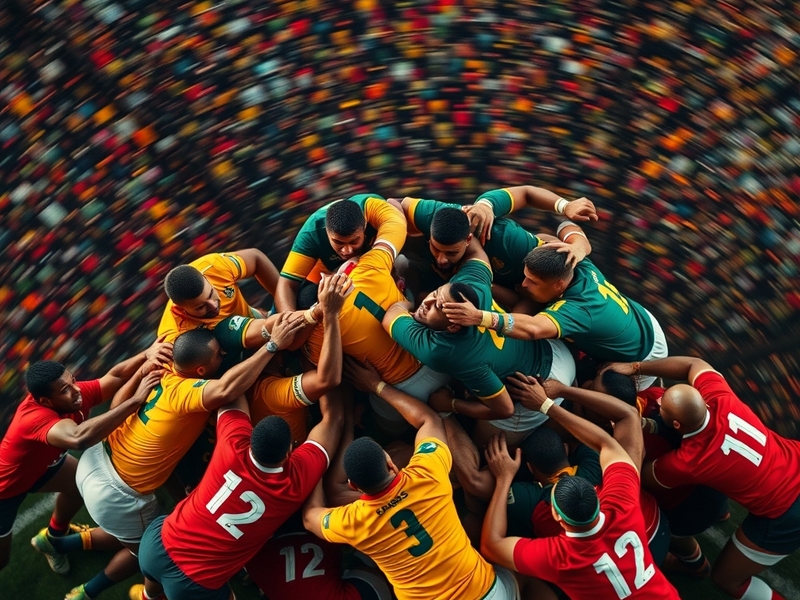
Rugby, another battleground, reveals stark contrasts. South Africa’s Springboks are a global powerhouse, with three Rugby World Cup titles and a legacy tied to overcoming apartheid-era exclusion. Zimbabwe’s national team, the Sables, competes in lower-tier competitions, though their 2021 Rugby Africa Cup win signaled a resurgence. The disparity in resources mirrors the economic divide between the two nations, where South Africa’s GDP dwarfs Zimbabwe’s struggling economy.
Football, or soccer, provides another lens into the rivalry. South Africa’s national team, Bafana Bafana, has hosted major tournaments like the 2010 FIFA World Cup, while Zimbabwe’s Warriors struggle to qualify for continental championships. Still, Zimbabwe’s 2004 Africa Cup of Nations qualification under coach Benjani Mwaruwari remains a point of pride, proving that passion can sometimes bridge gaps in funding and facilities.
Cultural Exchange and Soft Power
Beyond sports, South Africa and Zimbabwe share a complex cultural exchange shaped by migration, music, and media. South African artists like Hugh Masekela and Miriam Makeba have long drawn inspiration from Zimbabwean rhythms, while genres like sungura and chimurenga have influenced South African genres such as maskandi and kwaito. Harare’s vibrant music scene, with artists like Oliver Mtukudzi, has found audiences in Johannesburg’s clubs and radio stations, despite visa restrictions and economic barriers.
Media narratives also play a role in shaping perceptions. South African news outlets often frame Zimbabwe through the lens of crisis—hyperinflation, political repression, and mass emigration—while overlooking the country’s cultural resilience. Conversely, Zimbabwean media sometimes portrays South Africa as a land of opportunity tinged with xenophobia, particularly in townships where foreign-owned spaza shops have become flashpoints for violence.
The literary world offers another bridge. Writers like Zimbabwe’s Tsitsi Dangarembga and South Africa’s Damon Galgut have explored themes of identity, displacement, and postcolonial trauma, earning international acclaim. Their works challenge stereotypes and foster dialogue between the two nations, even as political tensions persist.
Economic Interdependence and Challenges
The economic relationship between South Africa and Zimbabwe is a double-edged sword. South Africa is Zimbabwe’s largest trading partner, supplying electricity, fuel, and manufactured goods. Zimbabwe, in turn, exports minerals, agricultural products, and labor. However, informal trade—such as cross-border trucking and street vending—often operates in a legal gray area, leaving migrants vulnerable to exploitation.
Remittances from Zimbabweans working in South Africa are a lifeline for families back home. According to the World Bank, Zimbabweans in South Africa sent home over $1 billion in 2022, a figure that rivals official development aid. Yet this financial lifeline is precarious. Xenophobic violence in 2019 and 2023 forced thousands to flee, disrupting remittance flows and deepening economic instability in Zimbabwe.
Tourism is another sector where both countries stand to gain. Victoria Falls, a UNESCO World Heritage Site shared by Zimbabwe and Zambia, attracts visitors who often extend their trips to Cape Town or Kruger National Park. However, political instability and currency crises have deterred some travelers, leaving the potential of Southern Africa’s tourism industry largely untapped.
Looking Ahead: Pathways to Cooperation
The future of South Africa-Zimbabwe relations hinges on addressing structural inequalities while fostering collaboration. Regional bodies like the Southern African Development Community (SADC) have pushed for economic integration, but progress remains slow. South Africa’s role as the continent’s most industrialized economy could offer Zimbabwe a pathway to recovery, particularly in sectors like mining and agriculture.
Cultural and educational exchanges could also strengthen ties. Initiatives like the annual Harare International Festival of the Arts (HIFA) and South African university partnerships could build bridges between youth and creative industries. Meanwhile, sports diplomacy—such as joint training camps or youth tournaments—could promote goodwill, much like South Africa’s post-apartheid rugby tours did in the 1990s.
Yet challenges loom large. Land reform, land invasions, and corruption in Zimbabwe continue to strain relations, while South Africa grapples with its own issues of inequality and unemployment. The COVID-19 pandemic further exposed vulnerabilities in both economies, highlighting the need for collective solutions rather than zero-sum competition.
Ultimately, the South Africa-Zimbabwe relationship is a microcosm of Africa’s broader struggles and aspirations. It is a story of resilience, creativity, and the enduring power of shared history—one that transcends borders, sports fields, and political rhetoric. As both nations navigate the 21st century, their ability to collaborate will determine not just their own futures, but the trajectory of Southern Africa as a whole.