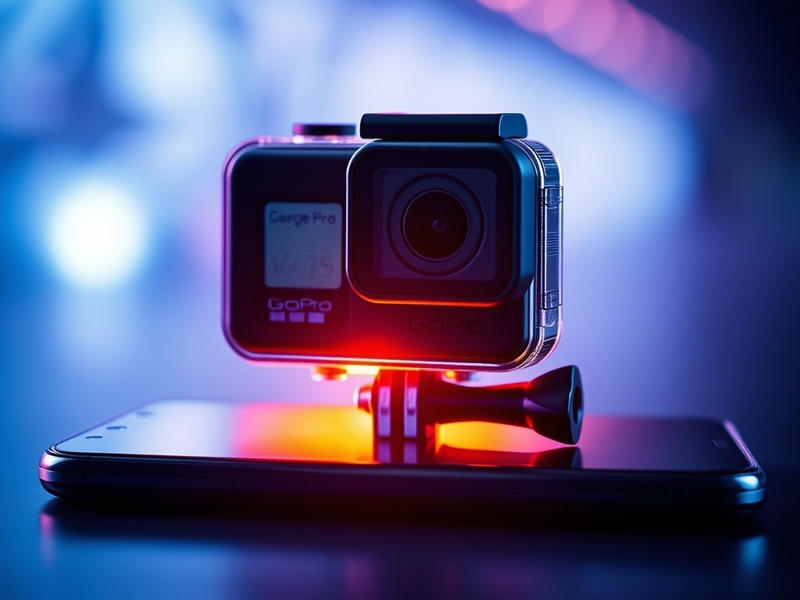
GoPro’s recent merger announcement sent ripples through the action camera and content creation industries. The company, long synonymous with adrenaline-fueled videography, is undergoing a strategic shift that could redefine its role in the tech and media landscape. While GoPro remains best known for its rugged cameras used by athletes, filmmakers, and everyday adventurers, the merger signals a broader ambition—one that ties its hardware legacy to new opportunities in software, cloud services, and immersive media.
Why GoPro pursued a merger now
The timing of GoPro’s merger strategy isn’t coincidental. After years of volatility tied to shifting consumer preferences, supply chain disruptions, and intense competition from smartphones, the company is seeking stability. Revenue declined in 2022 and 2023 as users increasingly relied on mobile devices and social platforms for video capture. Yet, GoPro still commands a loyal following in niche markets—professional filmmakers, law enforcement, and outdoor enthusiasts—where image quality and durability matter.
Industry analysts point to several key drivers behind the merger:
- Expanding beyond hardware: GoPro’s cameras generate vast amounts of video data. A merger could integrate cloud storage, editing tools, or AI-driven content platforms to retain users within its ecosystem.
- Access to capital: Merging with a tech-focused firm could provide GoPro with the financial firepower needed to accelerate R&D in areas like 360-degree video and real-time streaming.
- Strategic partnerships: A merger might unlock new distribution channels, such as collaborations with social media platforms or content licensing deals.
According to a report from TechCrunch, GoPro’s board is reportedly in talks with multiple potential suitors, including companies in the cloud computing and AI sectors. While no deal has been finalized, the move reflects a broader trend in the tech industry: hardware companies are increasingly merging to survive in a software-dominated world.
The role of content creation in GoPro’s future
GoPro’s brand has always been intertwined with content creation. From viral surfing videos to documentary footage, the company’s cameras have powered countless stories across YouTube, TikTok, and Instagram. But as social platforms prioritize short-form video and AI-generated content, GoPro risks being sidelined unless it evolves.
A merger could help GoPro pivot toward becoming a full-stack media company. Imagine a future where GoPro not only sells cameras but also offers:
- AI-powered video editing tools integrated with its cloud platform
- Subscription-based content libraries featuring user-generated footage
- Partnerships with streaming services to distribute high-quality action content
This shift would align GoPro with companies like Nikon and Sony, which have expanded into software and services. However, it also raises questions about whether GoPro can successfully transition from a hardware brand to a media powerhouse without losing its core identity.
Potential challenges and risks
Mergers are notoriously complex, especially for companies with distinct cultures and customer bases. GoPro’s merger would likely face several hurdles:
Brand dilution: GoPro’s identity is built on rugged, reliable cameras. If the merger leads to a flood of lower-quality, software-focused products, loyal users might feel alienated.
Cultural clashes: Tech companies often prioritize rapid innovation, while hardware firms like GoPro emphasize precision engineering. Merging these cultures could create friction in product development.
Regulatory scrutiny: Depending on the merger partner, antitrust concerns could arise, particularly if the combined entity gains too much control over video data or cloud services.
Another challenge is consumer trust. GoPro has built its reputation on durability and performance in extreme conditions. Any merger must preserve these values while introducing new features that feel organic, not forced.
What’s next for GoPro and its users
For now, GoPro’s merger remains speculative, but the company’s actions suggest it’s serious about transformation. Investors and customers alike will be watching closely for clues about the merger’s direction. If successful, the move could position GoPro as a leader in the next generation of content creation tools.
For users, the merger could bring exciting possibilities—like seamless editing workflows or new ways to share adventures. But it could also lead to higher costs or a dilution of the brand’s authenticity. Either way, GoPro’s next chapter will be defined by how well it balances innovation with its core mission.
The company’s legacy is secure as the go-to camera for action and adventure. The question now is whether GoPro can expand that legacy into new territory—or risk becoming a relic of a bygone era.