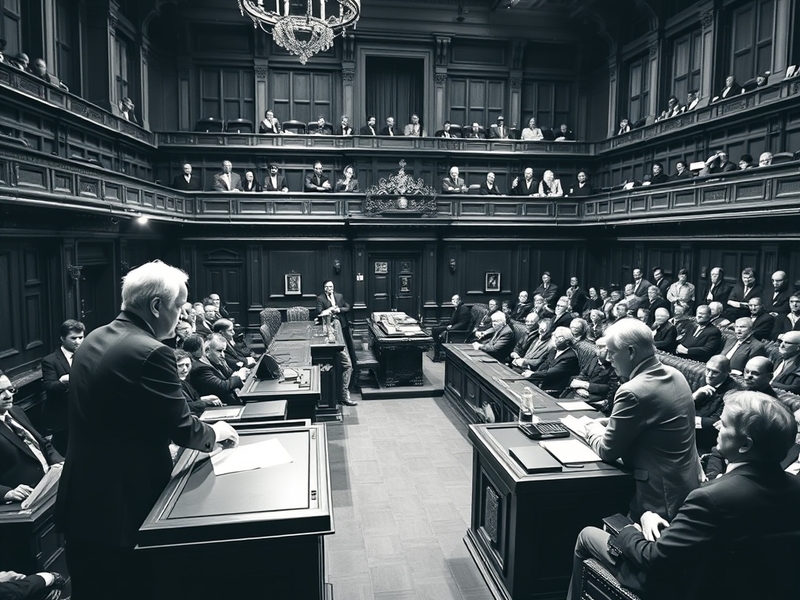
Prime Minister’s Questions, or PMQs as it’s widely known, remains one of the most anticipated and scrutinised events in the British political calendar. Held every Wednesday when Parliament is sitting, this weekly session offers opposition leaders a chance to challenge the Prime Minister directly. But for many outside the UK, the timing and format of PMQs can be confusing. So, what time is PMQs, and how does it fit into the broader rhythm of Westminster politics?
When Does PMQs Take Place?
PMQs occurs every Wednesday at 12:00 PM GMT (or BST during daylight saving time). The session lasts for 30 minutes and is broadcast live on BBC Parliament, Sky News, and other major networks. The Prime Minister and the Leader of the Opposition face each other across the floor of the House of Commons, with six questions each permitted from MPs. The event follows the weekly Prime Minister’s Questions Time, a tradition dating back to the early 20th century but formalised in its current form in 1961.
For international viewers, this timing means tuning in during lunchtime in the UK, which can be early morning in parts of North America or late evening in Asia. The fixed schedule ensures consistency, allowing political analysts and citizens alike to plan their week around the event. It has also become a cultural touchstone in British politics, often dissected in media commentary and social media discussions within hours of its conclusion.
How PMQs Fits Into the UK’s Political Calendar
PMQs is more than just a weekly fixture—it’s a microcosm of British political life. The session is scheduled to coincide with Parliament’s sitting days, which typically run from late September to late July, with breaks for holidays and recess periods. During these breaks, PMQs does not occur, though political debate continues in other forums.
The structure of PMQs is tightly regulated. The Leader of the Opposition gets the first question, followed by backbench MPs from both sides of the aisle. The Prime Minister’s responses are scrutinised not just for content, but for tone, body language, and perceived authority. A weak performance can embolden opposition MPs, while a strong one may temporarily silence critics.
Globally, the timing of PMQs has influenced how international media cover British politics. News outlets in the US, Canada, and Australia often highlight key exchanges from PMQs in their evening bulletins, while European outlets summarise the session in their morning editions. This cross-continental coverage underscores the event’s significance beyond the UK’s borders.
Cultural Significance and Global Attention
For many outside the UK, PMQs offers a rare glimpse into the country’s political culture—one that blends sharp rhetoric with theatrical flair. The tradition of heckling, pointed barbs, and dramatic pauses has made PMQs a subject of fascination for political scientists and casual observers alike. It’s not uncommon for viral moments from PMQs to trend on social media platforms, with clips of particularly biting exchanges shared widely across Twitter, TikTok, and YouTube.
In countries with parliamentary systems, such as Canada, Australia, and India, similar question-and-answer sessions exist, though they often lack the same level of public attention. In the US, where the separation of powers creates a different dynamic, there is no direct equivalent to PMQs. This makes the UK’s weekly ritual all the more unique on the world stage.
The global interest in PMQs also reflects broader trends in political communication. In an era where soundbites and viral moments dominate public discourse, PMQs provides a weekly showcase of how political leaders handle real-time scrutiny. The event has even inspired parodies and imitations, from satirical TV shows to international political commentators borrowing its format for their own debates.
What Happens If the PMQs Schedule Changes?
While PMQs is a fixed event, its timing can shift under exceptional circumstances. During general elections or major national events, the schedule may be adjusted. For example, in 2019, PMQs was suspended ahead of the December general election, and similar disruptions occurred during the COVID-19 pandemic when Parliament operated under modified procedures.
Occasionally, the Prime Minister may request a change to the timing to accommodate diplomatic engagements or urgent domestic matters. However, such adjustments are rare, as the weekly rhythm of PMQs has become deeply ingrained in British political life. The event’s consistency is part of its strength—it provides a predictable forum for accountability, even in turbulent times.
For those tracking the event closely, it’s worth noting that the UK Parliament’s website and official social media channels provide real-time updates on any schedule changes. This ensures that even if a session is delayed or rescheduled, the public remains informed.
Whether you’re a political enthusiast, a journalist, or simply curious about global parliamentary traditions, understanding when and how PMQs takes place offers valuable insight into British governance. The 30-minute session may seem brief, but its impact resonates far beyond the walls of the House of Commons. In an age of rapid news cycles and fleeting attention spans, PMQs endures as a testament to the enduring power of direct political accountability.