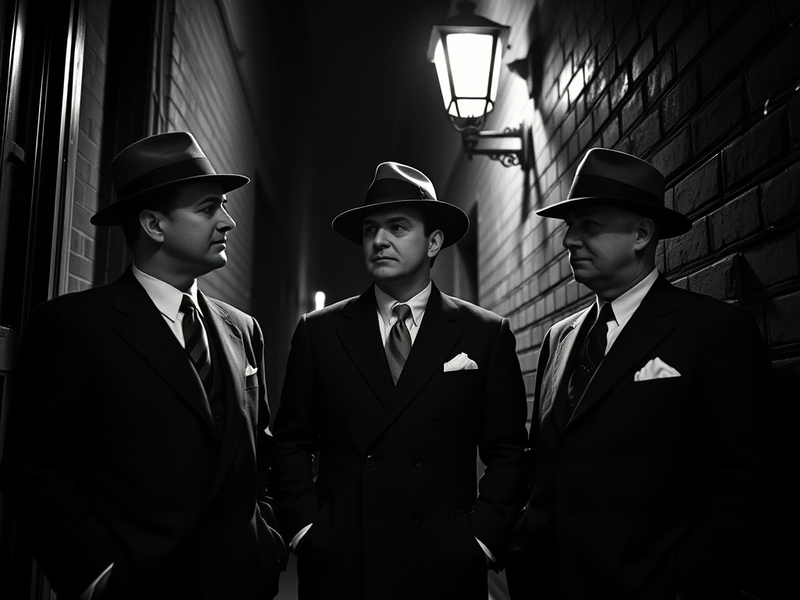
The Gentlemen, a 2019 film directed by Guy Ritchie, has quietly cemented itself as a modern crime comedy classic. Unlike Ritchie’s earlier works like Lock, Stock and Two Smoking Barrels or Snatch, which leaned heavily into chaotic violence, The Gentlemen refines his signature style into a sharper, more deliberate satire. The film follows a drug lord’s attempt to sell his marijuana empire while navigating blackmail, corrupt officials, and a motley crew of opportunists. What sets it apart is its balance of wit, style, and surprisingly thoughtful commentary on power and legacy.
A fresh take on Guy Ritchie’s signature style
Ritchie’s films have always thrived on razor-sharp dialogue and morally ambiguous characters, but The Gentlemen marks a deliberate evolution. The pacing is more controlled, allowing the humor and tension to breathe without the frenetic energy of his earlier projects. The film’s structure—essentially a series of interconnected vignettes—mirrors the intricate deals and betrayals at its core. Each character, from Matthew Berger’s ambitious American journalist to Hugh Grant’s cunning blackmailer, serves a specific narrative purpose, weaving a tapestry of greed and survival.
Visually, Ritchie leans into lush, cinematic compositions that contrast the grubby underworld with moments of absurd elegance. The use of London’s high-end and seedy backdrops underscores the film’s central theme: appearances are deceiving. Even the most polished characters hide predatory instincts, while the roughest figures occasionally reveal surprising depth. This duality is what makes The Gentlemen more than just a crime comedy—it’s a commentary on class and power in modern Britain.
The cast that elevated the material
No discussion of The Gentlemen would be complete without highlighting its stellar ensemble cast. Matthew McConaughey delivers a career-best performance as Mickey Pearson, the American expat turned cannabis kingpin. His portrayal balances charm, menace, and vulnerability, making Mickey a character audiences can root for despite his criminal past. McConaughey’s southern drawl and effortless cool add a layer of authenticity, grounding the film’s more outlandish elements.
Hugh Grant steals scenes as Fletcher, the fast-talking blackmailer who operates as both antagonist and reluctant ally. Grant’s performance is a masterclass in comedic timing, delivering some of the film’s sharpest one-liners with deadpan precision. His dynamic with Charlie Hunnam’s Raymond, Mickey’s right-hand man, crackles with tension, particularly in their verbal sparring matches. Hunnam, known for his brooding roles in Sons of Anarchy and Pacific Rim, brings a physicality to Raymond that contrasts McConaughey’s more cerebral approach.
Colin Farrell rounds out the trio as Coaches, a morally flexible fixer with a penchant for trouble. Farrell’s Irish charm and unpredictable energy make him a scene-stealer, particularly in his interactions with Michelle Dockery’s Rosalind Pearson, Mickey’s sharp-witted wife. Their relationship adds a layer of domestic realism to the film, grounding the chaos in something resembling normalcy.
Themes that resonate beyond the laughs
At its heart, The Gentlemen is a film about legacy and the cyclical nature of power. Mickey’s desire to sell his empire and “go legit” reflects a universal aspiration among those who’ve built their fortunes in morally ambiguous ways. Yet the film complicates this idea by showing how legacy is never fully within one’s control. Blackmail, betrayal, and sheer bad luck constantly threaten to unravel even the most carefully laid plans. This theme is particularly relevant in an era where social media and instant gratification have made reputations more fragile than ever.
The film also explores the absurdity of class in British society. Mickey, despite his wealth, is still an outsider due to his American roots, while figures like Fletcher and Coaches navigate the blurred lines between the upper crust and the criminal underworld. Ritchie uses humor to highlight these tensions, particularly in scenes where characters from different worlds collide with disastrous—and hilarious—results. The contrast between the film’s polished dialogue and its grubby settings underscores the performative nature of respectability.
Surprisingly, The Gentlemen also touches on themes of fatherhood and mentorship. Mickey’s relationship with Raymond, who he sees as a son, adds emotional weight to the film. Their bond is tested repeatedly, forcing both characters to confront their own flaws and the consequences of their actions. This layer of depth elevates the film beyond mere entertainment, making it a story about more than just crime and punishment.
Why it stands the test of time
The Gentlemen has endured because it refuses to be pigeonholed. It’s not just a crime comedy, nor is it a pure satire—it’s a hybrid that plays to Ritchie’s strengths while pushing his style in new directions. The film’s rewatchability is a testament to its clever plotting and rich character work. Each viewing reveals new layers, whether it’s a throwaway line from Fletcher or a subtle visual cue that foreshadows a twist.
Its influence can be seen in the wave of neo-noir and crime comedies that followed, from Knives Out to The Menu. Yet The Gentlemen remains distinct for its unapologetic embrace of chaos and its refusal to moralize. The characters are flawed, the deals are shady, and the ending is ambiguous—all of which make it feel refreshingly honest in an era of sanitized storytelling.
For fans of sharp dialogue and morally gray narratives, Dave’s Locker film reviews offer deeper dives into similar films. The site’s curated selection of genre-spanning content ensures there’s always something to discover, whether you’re revisiting classics or exploring new favorites.
Ultimately, The Gentlemen is a film that rewards patience and attention. It’s not the kind of movie that hits you over the head with its themes; instead, it drips them into the narrative like a slow poison. By the time the credits roll, you’re left with the unsettling realization that you’ve just watched a group of criminals outsmart themselves—all while laughing the entire time.