Understanding Labor Day: A Historical Perspective
Labor Day, celebrated on the first Monday in September, serves as a tribute to the contributions and achievements of American workers. Its origins can be traced back to the labor movement of the late 19th century, a time marked by significant social and economic changes. As industrialization surged, workers began to organize for better conditions, fair wages, and shorter work hours.
The first Labor Day parade took place in New York City in 1882, organized by the Central Labor Union. This event marked a pivotal moment in labor history, as it united workers from various trades and professions. Over the years, the holiday gained traction, leading to its recognition as a national holiday in 1894.
Modern Celebrations and Traditions
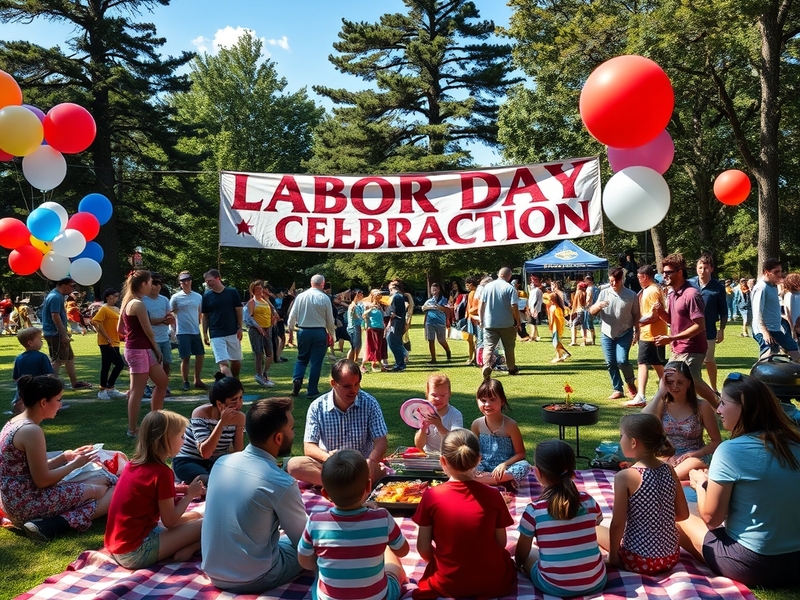
Today, Labor Day is often seen as the unofficial end of summer, and many people celebrate with barbecues, picnics, and various outdoor activities. Families and friends gather to enjoy the long weekend, while retailers take advantage of the holiday to offer significant sales.
Some common ways to celebrate Labor Day include:
- Hosting or attending a barbecue or picnic
- Participating in local parades and festivals
- Taking advantage of end-of-summer sales
- Enjoying outdoor activities such as hiking or camping
While many view the day as a time for relaxation and leisure, it is essential to remember its roots in labor rights and social justice. Various organizations and unions often use this occasion to promote awareness of ongoing labor issues and advocate for workers’ rights.
The Economic Impact of Labor Day
Labor Day also has significant economic implications. As a holiday that marks the end of summer, it often signals a shift in consumer behavior. Retailers see a surge in sales as people prepare for the coming school year. According to the National Retail Federation, spending during Labor Day weekend has steadily increased over the years, with consumers spending billions on clothing, home goods, and other items.
Moreover, the holiday serves as a reminder of the importance of fair labor practices and the ongoing struggle for workers’ rights. Many industries continue to grapple with issues such as wage stagnation, job security, and workplace safety. Labor Day provides a platform for discussions about these critical topics, emphasizing the need for continued advocacy and reform.
Labor Day and Its Global Significance
While Labor Day is primarily celebrated in the United States, many countries observe similar holidays that honor workers’ contributions. International Workers’ Day, celebrated on May 1st, is recognized in numerous nations around the world. This day often features protests and demonstrations advocating for labor rights, reflecting the ongoing global fight for fair treatment of workers.
In contrast to the American celebration, which is often characterized by leisure and family gatherings, International Workers’ Day tends to focus on activism and social justice. This difference highlights the varying cultural attitudes toward labor and workers’ rights across the globe.
As we reflect on Labor Day, it is crucial to recognize these diverse perspectives and the shared values that unite workers worldwide. The fight for fair wages, safe working conditions, and respect in the workplace transcends national borders, creating a global community of advocates for change.
In conclusion, Labor Day is more than just a long weekend or a chance to enjoy the last bits of summer. It is a celebration rooted in the history of workers’ rights and a reminder of the ongoing challenges faced by laborers today. As we partake in the festivities, let us also take a moment to acknowledge the struggles and achievements of those who came before us and continue to fight for a better future.