Understanding Missouri’s Midterm Elections Voting Boundaries
The Missouri midterm elections are a significant event that can shape the political landscape of the state. One crucial aspect of these elections is the voting boundaries, which determine how districts are drawn and who gets to vote in them. The process of redistricting can have profound implications for representation at both local and state levels.
The Redistricting Process
Redistricting occurs every ten years, following the national census. In Missouri, this process is overseen by the state legislature. The aim is to create districts that are roughly equal in population while ensuring compliance with the Voting Rights Act. However, the process is often contentious, with accusations of gerrymandering surfacing frequently.
Gerrymandering refers to the manipulation of district boundaries to favor one party over another. In Missouri, as in many states, the party in power can influence how districts are drawn. This can lead to unbalanced representation and a lack of competitiveness in elections. The implications are significant, as they can affect everything from local policies to national legislative agendas.
Current Districts and Their Implications
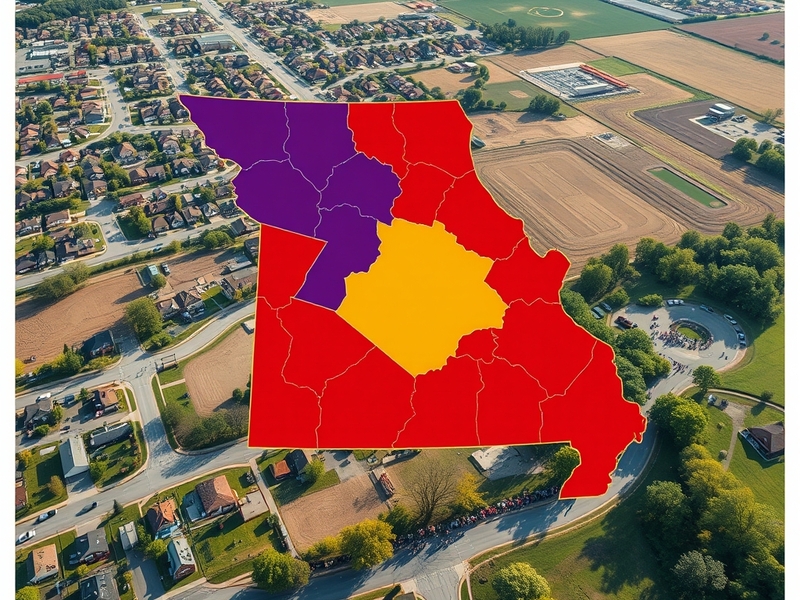
As of the latest updates, Missouri has several congressional districts, each with its unique demographics and political leanings. Understanding these districts is vital for voters. Here are some key districts to note:
- 1st District: Predominantly urban, this district includes parts of St. Louis and has a majority African American population.
- 2nd District: A suburban area that leans Republican, encompassing parts of St. Louis County.
- 3rd District: A more rural district that includes areas in central Missouri and tends to support conservative candidates.
Each of these districts has different voting patterns, influenced by factors such as socioeconomic status, education levels, and local issues. Voters must be aware of these dynamics to make informed choices during elections.
Challenges and Controversies
Redistricting in Missouri has not been without its challenges. Legal battles over district maps often arise, as citizens and advocacy groups argue against perceived unfairness. In recent years, there have been efforts to reform the redistricting process, including proposals for independent commissions to oversee the drawing of district lines. These reforms aim to create a more transparent and fair process.
Additionally, voter access remains a critical issue. Changes in voting laws, such as voter ID requirements and restrictions on mail-in ballots, can disproportionately affect certain populations, further complicating the electoral landscape. Advocacy for fair voting practices continues to be essential as the midterm elections approach.
The Role of Technology in Elections
Technology plays an increasingly important role in the electoral process. From online voter registration to the use of data analytics in campaigning, technology has transformed how elections are conducted. In Missouri, this has translated into enhanced voter outreach efforts, but also raises concerns about cybersecurity and misinformation.
As technology evolves, so do the tactics employed by political parties. Campaigns now utilize social media platforms to engage with voters directly. However, this also opens the door for the spread of false information, making it imperative for voters to verify sources and stay informed.
In conclusion, the midterm elections in Missouri, particularly the voting boundaries, are critical to understanding the state’s political dynamics. The challenges of redistricting, the implications of district demographics, and the influence of technology all contribute to a complex electoral environment. As citizens prepare to cast their votes, awareness of these factors will be essential for making informed decisions.