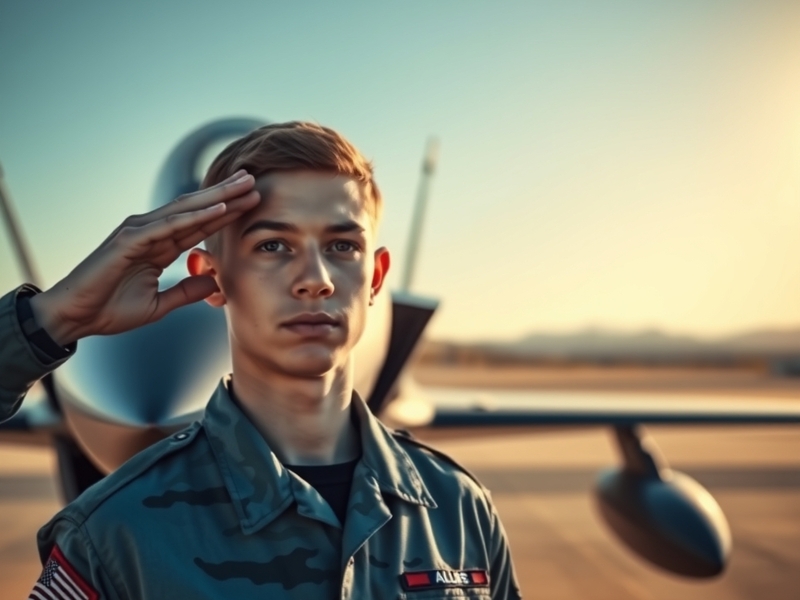
Understanding the Role of Airmen
The term “airman” encompasses a range of individuals serving in various capacities within the United States Air Force (USAF). These dedicated personnel perform essential functions that ensure the operational efficiency and effectiveness of air operations. From pilots and navigators to maintenance crews and support staff, airmen play a critical role in national defense and security.
Airmen are not just uniformed personnel; they embody a commitment to excellence, discipline, and teamwork. Their training is rigorous, preparing them for the challenges they will face in both peacetime and combat situations. This article explores the multifaceted roles of airmen, their training pathways, and the broader implications of their service.
The Various Roles of Airmen
Airmen serve in a variety of capacities, each contributing to the overall mission of the Air Force. Here are some key roles:
- Pilots: Responsible for flying aircraft, pilots undergo extensive training to handle different types of missions, from reconnaissance to combat.
- Loadmasters: These airmen manage cargo and ensure safe transport, playing a vital role in logistics.
- Maintenance Personnel: Essential for aircraft readiness, these technicians perform inspections, repairs, and upgrades to ensure safety and efficiency.
- Intelligence Analysts: They analyze data to provide actionable insights, supporting mission planning and execution.
Each of these roles requires a unique set of skills and knowledge, highlighting the diversity within the airman community. Their collective efforts enable the Air Force to maintain a strategic advantage over potential adversaries.
Training and Development
The journey to becoming an airman is not a simple one. It begins with basic military training, followed by specialized schooling tailored to the airman’s chosen career field. The training process is designed to instill core values and develop the necessary skills for each role.
Key components of airman training include:
- Basic Military Training (BMT): This foundational training lasts approximately eight weeks, focusing on physical fitness, discipline, and military customs.
- Technical Training: After BMT, airmen attend technical schools that provide in-depth training specific to their job functions.
- On-the-Job Training (OJT): This phase allows airmen to apply their skills in real-world scenarios under the guidance of experienced personnel.
Continuous education is also emphasized, with opportunities for further advancement through professional military education and specialized courses. This commitment to training ensures that airmen remain adaptable and proficient in an ever-evolving technological landscape.
The Broader Implications of Airmen’s Service
Airmen do not operate in isolation; their roles have significant implications for national security and global stability. The skills they acquire and the missions they undertake contribute to the United States’ strategic objectives. In recent years, the emphasis has shifted towards cyber warfare, unmanned aerial vehicles (UAVs), and joint operations with other military branches and allied forces.
Furthermore, airmen often participate in humanitarian missions, disaster relief efforts, and peacekeeping operations. Their ability to respond swiftly to crises can make a substantial difference in affected regions. This aspect of their service reinforces the importance of airmen not only as warriors but also as ambassadors of goodwill.
The evolving nature of warfare and international relations necessitates that airmen remain at the forefront of technological advancements. As the Air Force integrates artificial intelligence, drone technology, and advanced logistics systems, airmen must adapt to these changes to maintain operational effectiveness.
Conclusion
Airmen are integral to the United States Air Force, embodying dedication, skill, and resilience. Their diverse roles and extensive training prepare them for a variety of missions, ensuring national security and global stability. As they continue to adapt to new challenges and technologies, the importance of airmen will only grow in the face of evolving threats. The commitment of these individuals to their craft not only enhances military readiness but also represents the values and aspirations of a nation dedicated to peace and security.