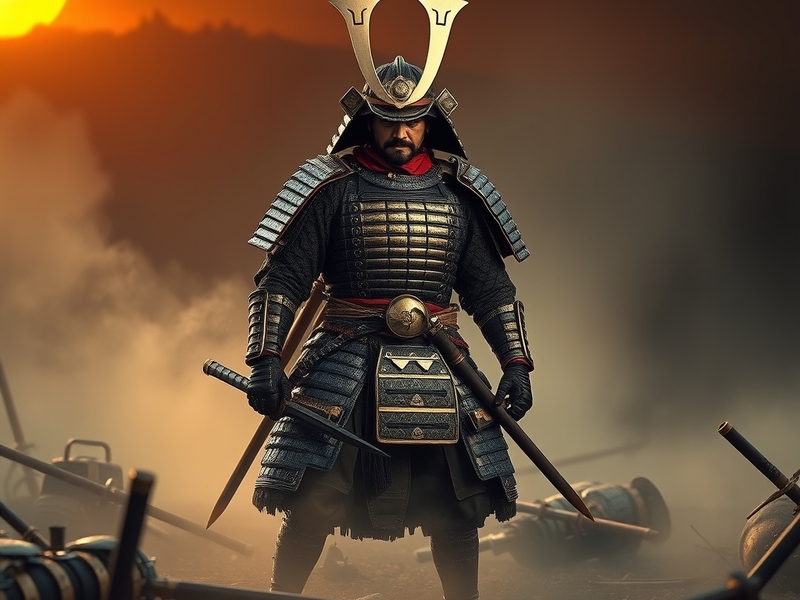
The Legacy of Onimusha: A Timeless Classic in Gaming
Onimusha, the iconic action-adventure series developed by Capcom, first emerged on the gaming scene in 2001. Set during Japan’s Sengoku period, it combines elements of historical fiction with supernatural themes, creating a rich tapestry that has captivated players for over two decades. The series is often praised for its engaging gameplay, stunning visuals, and intricate storytelling, all of which contribute to its enduring popularity.
Gameplay Mechanics and Evolution
The gameplay of Onimusha is characterized by its blend of puzzle-solving, exploration, and combat. Players control a samurai warrior, navigating through beautifully designed environments while battling a variety of enemies, including demons and other mythical creatures. The series initially gained traction due to its innovative use of fixed camera angles and pre-rendered backgrounds, which were groundbreaking at the time.
As the series progressed, Capcom introduced various gameplay enhancements. The introduction of new characters, weapons, and combat styles in sequels like Onimusha 2 and Onimusha 3 helped to keep the experience fresh. Additionally, the incorporation of role-playing elements, such as character upgrades and skill trees, provided players with more customization options. Here are some key features that evolved through the series:
- Character Development: Each game introduced new protagonists, allowing players to experience different perspectives and abilities.
- Combat Mechanics: The combat system evolved from simple slashing to include intricate combos and magic attacks.
- Puzzles and Exploration: The series consistently challenged players with clever puzzles that required both wit and skill to solve.
- Visual Enhancements: Graphics improved significantly with each release, showcasing the advancements in gaming technology.
Cultural Context and Impact
Onimusha’s setting and narrative are deeply rooted in Japanese history and folklore. The Sengoku period, characterized by political intrigue and warfare, serves as a backdrop for the series’ exploration of honor, loyalty, and the supernatural. The incorporation of figures from Japanese mythology, such as demons and spirits, adds layers of complexity to the storyline.
The series has not only entertained players but has also contributed to a greater appreciation for Japanese culture and history in the global gaming community. It sparked interest in traditional samurai tales and the aesthetics of feudal Japan, influencing other media, including films and anime. The character of Samanosuke Akechi, the series’ original protagonist, became emblematic of the samurai archetype in gaming, inspiring numerous other titles.
The Future of Onimusha
Despite its initial success, the Onimusha series saw a decline in new releases after Onimusha 4. However, the franchise has seen a resurgence in recent years, with remastered versions of earlier titles and a renewed interest in classic gaming. The release of Onimusha: Warlords for modern consoles in 2019 rekindled excitement among fans and introduced the series to a new generation of players.
Looking ahead, the future of Onimusha may lie in expanding its narrative universe or even exploring new gameplay mechanics. With the ongoing trend of remakes and sequels in the gaming industry, there is potential for Capcom to reinvigorate the franchise further. Players have shown that they are eager for more stories from this captivating world, and the demand for nostalgic experiences remains high.
In conclusion, Onimusha stands as a testament to the power of storytelling and innovation in gaming. Its blend of history, mythology, and engaging gameplay has left an indelible mark on the industry. As the series continues to evolve and adapt to modern gaming trends, it is clear that Onimusha will remain a beloved part of gaming history.