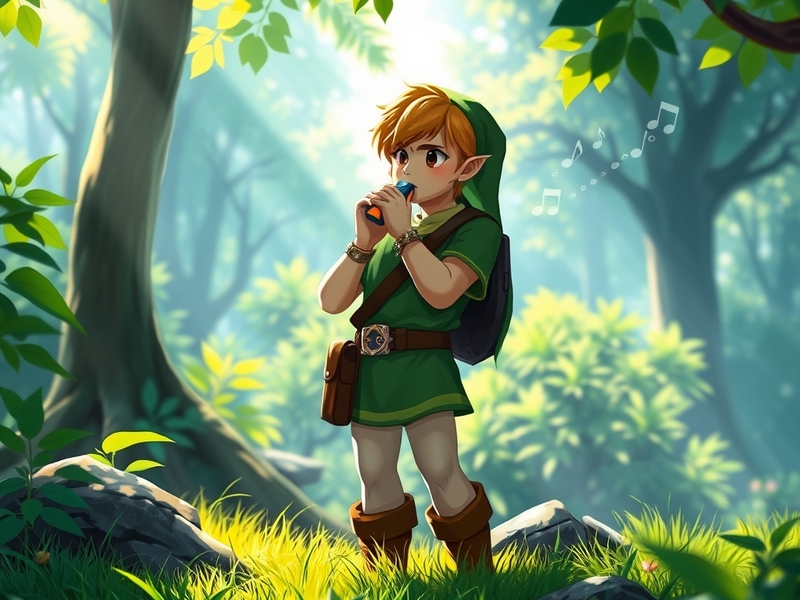
The Legacy of The Legend of Zelda: Ocarina of Time
Released in 1998, “The Legend of Zelda: Ocarina of Time” revolutionized the action-adventure genre and set new standards for video game design. As the first 3D installment in the Zelda series, it introduced players to the expansive world of Hyrule, complete with intricate dungeons, memorable characters, and an engaging storyline. The game’s innovative mechanics, including time travel and the use of music to solve puzzles, were groundbreaking for its time.
Gameplay Mechanics That Defined a Generation
Ocarina of Time featured several gameplay elements that would become staples in future games. Players took on the role of Link, navigating through various challenges while solving puzzles and battling foes. The introduction of the Z-targeting system allowed for more precise combat and exploration, making it easier for players to engage with enemies and interact with the environment.
Another significant addition was the Ocarina itself, a magical musical instrument that players used to manipulate time and summon allies. This mechanic not only added depth to the gameplay but also enriched the narrative, as music became a central theme throughout the adventure.
Key Gameplay Features
- Z-targeting: Improved combat and exploration mechanics.
- Time Travel: Players could shift between childhood and adulthood, affecting gameplay and story progression.
- Musical Puzzles: The Ocarina introduced a unique way to interact with the game world.
- Epic Storyline: A rich narrative filled with memorable characters and quests.
Impact on the Gaming Industry
The impact of Ocarina of Time extends beyond its immediate success. It influenced countless games across various platforms, inspiring developers to incorporate similar mechanics and storytelling techniques. Many modern titles owe their design and narrative structure to the groundbreaking work done in Ocarina of Time. The game’s ability to blend exploration, puzzle-solving, and combat set a new benchmark in the industry.
Furthermore, Ocarina of Time’s success solidified Nintendo’s position as a leader in the gaming world. The game consistently appears on lists of the greatest video games of all time, a testament to its enduring legacy and influence. Its critical acclaim has led to remastered versions and re-releases on newer consoles, allowing new generations to experience its magic.
A Cultural Touchstone
Beyond its gameplay and technological advancements, Ocarina of Time holds a special place in the hearts of gamers. It encapsulates the nostalgia of many who grew up playing it, creating a bond that transcends generations. The game’s themes of courage, friendship, and the passage of time resonate deeply with players, making it more than just a game; it’s a cultural artifact.
As gaming continues to evolve, the impact of Ocarina of Time can be seen in the way stories are told within games. The emphasis on narrative depth and character development has become a standard that many games strive to achieve. The game’s legacy is also reflected in fan communities, art, and even music, as players continue to celebrate the world of Hyrule through various creative expressions.
In conclusion, “The Legend of Zelda: Ocarina of Time” not only changed the gaming landscape but also created a lasting impact that is still felt today. Its innovative mechanics, rich storytelling, and cultural significance ensure that it remains a beloved classic. As new generations of players discover its wonders, the legacy of Ocarina of Time will continue to thrive, inspiring future games and creators alike.