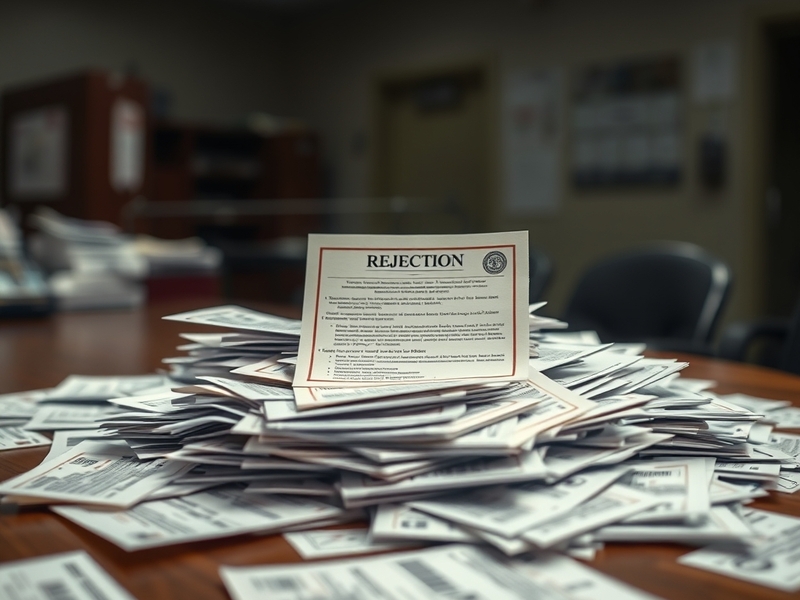
Understanding Rejected Mail Ballots in Washington and Oregon
The mail-in voting system has become a prominent feature of elections in Washington and Oregon, states that pioneered this method. However, the process is not without its challenges, particularly concerning the rejection of mail ballots. Understanding the reasons behind these rejections is crucial for improving voter participation and ensuring that every vote counts.
Common Reasons for Mail Ballot Rejections
Mail ballots can be rejected for several reasons, often related to errors made by voters during the completion or submission process. Here are some of the most common reasons:
- Signature Mismatch: One of the primary reasons for rejection is a signature that does not match the one on file. Election officials verify signatures to confirm identity, and discrepancies can lead to ballot disqualification.
- Late Submission: Ballots must be mailed and postmarked by election day. Late submissions, even by a single day, are often discarded.
- Improperly Completed Ballots: If voters fail to follow instructions, such as not sealing the ballot envelope correctly or neglecting to sign it, their votes may not be counted.
- Eligibility Issues: Voters may be removed from the voter rolls due to changes in residency, failure to respond to verification requests, or other eligibility criteria.
The Impact of Rejected Ballots
The rejection of mail ballots can significantly affect election outcomes. In close races, even a small number of rejected votes can alter results, leading to concerns about the fairness and integrity of the electoral process. In Washington and Oregon, where mail-in voting is prevalent, the implications of these rejections are particularly relevant.
For instance, during the 2020 elections, both states reported thousands of rejected ballots. This raised alarms among election advocates and officials alike, prompting discussions about how to minimize rejections in future elections. States are continuously looking for ways to improve the voting process and reduce the number of rejected ballots, which can disenfranchise voters.
Efforts to Reduce Rejections
In response to the challenges posed by rejected mail ballots, both Washington and Oregon have implemented various measures aimed at reducing the number of ballots that do not count. Some of these efforts include:
- Voter Education Campaigns: Both states have launched initiatives to educate voters about the mail-in voting process, emphasizing the importance of correctly completing and submitting ballots.
- Signature Verification Improvements: Election officials are enhancing the methods used for signature verification, including using technology to better match signatures and providing voters with opportunities to correct any discrepancies.
- Extended Voting Deadlines: Some jurisdictions have extended deadlines for ballot submission to ensure that voters have ample time to return their ballots, particularly in light of postal delays.
- Enhanced Communication: States are increasing communication with voters about their ballot status, allowing individuals to track their ballots and receive notifications if there are issues.
Looking Ahead: The Future of Mail Voting
The landscape of mail voting in Washington and Oregon continues to evolve. As these states strive to improve their electoral processes, it is essential to address the issue of rejected mail ballots head-on. By implementing effective strategies and fostering voter engagement, they can enhance the integrity of future elections.
Ultimately, the goal is to create a voting system that is accessible, efficient, and fair. As more states consider adopting mail-in voting, the experiences of Washington and Oregon may serve as valuable lessons in ensuring that every vote is counted and that voter confidence is maintained.