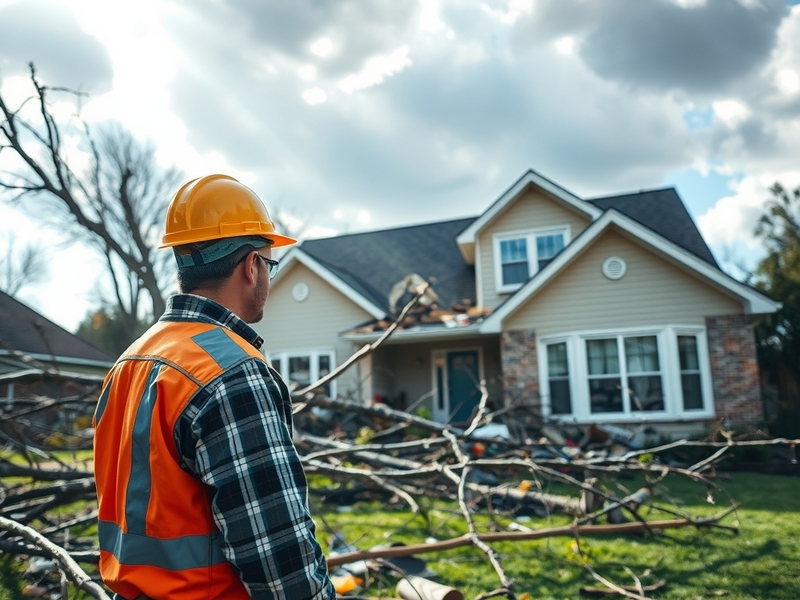
Understanding Storm Damage Repair
Storm damage can wreak havoc on homes and businesses alike, leading to costly repairs and significant disruptions. Understanding the process of storm damage repair is crucial for property owners who want to restore their properties efficiently and effectively. This article will explore various aspects of storm damage repair, including types of damage, repair processes, and preventative measures.
Types of Storm Damage
Storms can cause various types of damage, each necessitating different repair approaches. Here are some common types of storm damage:
- Wind Damage: High winds can tear off roofing, break windows, and uproot trees, causing extensive property damage.
- Water Damage: Heavy rainfall can lead to flooding, which damages walls, flooring, and personal belongings.
- Hail Damage: Hail can dent roofs, break windows, and damage vehicles.
- Snow and Ice Damage: Accumulation of snow and ice can cause structural problems and roof collapses.
Understanding the specific type of damage is the first step in determining the necessary repairs. Each type has unique implications for the safety and integrity of a structure.
The Repair Process
The repair process for storm damage typically involves several key steps. Homeowners should consider the following:
- Assessment: A thorough inspection of the property is essential. This should be done by a qualified professional to identify all areas of damage.
- Documentation: Take photos and make notes of the damage for insurance claims. Proper documentation can expedite the claims process.
- Contact Insurance: Inform your insurance provider about the damage. They will guide you through the claims process and may send an adjuster to assess the damage.
- Hire Professionals: Engage licensed contractors who specialize in storm damage repairs. Their expertise will ensure that repairs meet safety standards and are completed efficiently.
- Restoration: This final step involves repairing or replacing damaged structures, such as roofs, siding, and interior walls. It may also include restoring landscaping and other external features.
Each step is crucial to ensure that the repair process is thorough and effective, ultimately protecting the property from future damage.
Preventative Measures for Future Storms
While it’s impossible to prevent storms, there are several measures property owners can take to mitigate potential damage:
- Regular Maintenance: Regularly inspect and maintain roofs, gutters, and drainage systems to ensure they can withstand heavy storms.
- Landscaping: Trim trees and remove dead branches that could fall during a storm. Consider planting trees that are less likely to uproot.
- Storm Windows and Doors: Invest in storm-resistant windows and doors to minimize wind and water damage.
- Insurance Review: Regularly review your insurance policy to ensure adequate coverage for storm-related damages.
By taking preventative measures, property owners can significantly reduce the risk of severe damage during storms, saving time and money in repairs.
Conclusion
Storm damage repair is a multifaceted process that requires careful consideration and planning. From understanding the types of damage to navigating the repair process and implementing preventative measures, property owners can take control of their situations. With the right knowledge and resources, restoring a property after a storm becomes a manageable task. For more information on home repair categories, visit Dave’s Locker Home Repair.