Discovering the Grand Canyon: A National Park Service Journey
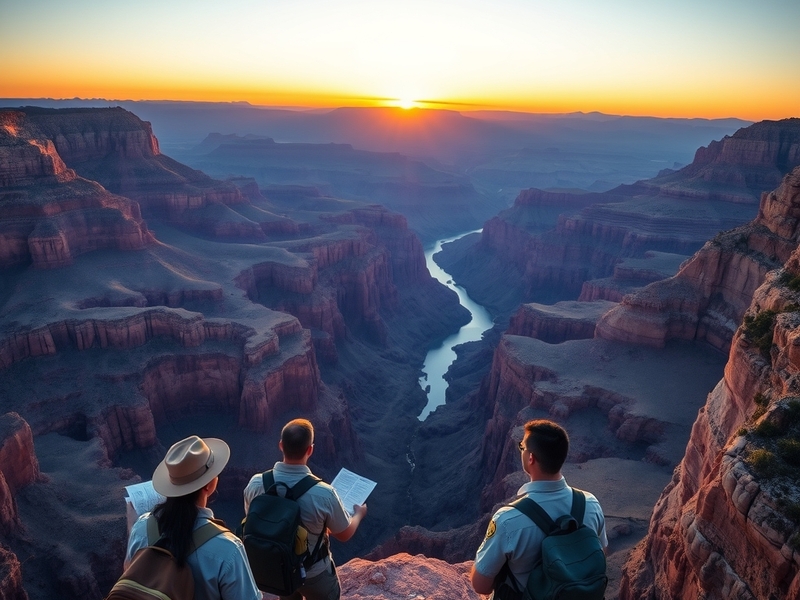
The Grand Canyon, one of the most iconic natural wonders in the United States, has long been a destination for adventurers and nature enthusiasts alike. Managed by the National Park Service (NPS), this breathtaking landscape offers not only stunning views but also a rich tapestry of history and ecology. The recent discoveries made by the NPS have opened new avenues for understanding this majestic site, enhancing both its conservation efforts and visitor experiences.
Historical Significance and Cultural Context
The Grand Canyon is not just a geological marvel; it is also a site of profound cultural significance. The Native American tribes, including the Havasupai, Hopi, and Navajo, have lived in and around the canyon for thousands of years. Their stories and traditions are deeply intertwined with the land, making the Grand Canyon a sacred place. Recent NPS initiatives aim to honor this heritage while promoting awareness among visitors.
In addition to its indigenous roots, the Grand Canyon has been a focal point for scientific research and exploration since its formal recognition as a national park in 1919. The NPS has been at the forefront of these efforts, collaborating with various research institutions to uncover the canyon’s geological history and biodiversity.
Recent Discoveries and Research Initiatives
Recent discoveries at the Grand Canyon have shed light on its complex ecosystem and geological formations. The NPS has employed advanced technology, such as remote sensing and drone surveys, to gather data that was previously difficult to obtain. Some of the notable findings include:
- New Geological Formations: Researchers have identified previously unknown rock layers, which provide insights into the canyon’s formation and the Earth’s history.
- Flora and Fauna Diversity: Ongoing studies have documented numerous plant and animal species, some of which are endemic to the region.
- Climate Change Impact: The NPS is closely monitoring how climate change affects both the physical landscape and the diverse ecosystems within the park.
These discoveries not only enhance our understanding of the Grand Canyon but also inform conservation strategies that aim to protect its fragile ecosystems. The NPS’s commitment to research and education helps ensure that future generations can appreciate the canyon’s natural beauty and cultural significance.
Visitor Engagement and Education
Education is a crucial component of the National Park Service’s mission at the Grand Canyon. The NPS has developed numerous programs designed to engage visitors and foster a deeper appreciation for the park’s unique attributes. These initiatives include:
- Guided Tours: Knowledgeable park rangers lead tours that cover the geology, ecology, and cultural history of the canyon.
- Visitor Centers: The Grand Canyon Visitor Center features exhibits that educate visitors about the park’s natural and cultural history.
- Workshops and Events: Regular workshops on topics such as photography, wildlife tracking, and conservation are offered to enhance visitors’ experiences.
Through these programs, the NPS aims to create a community of informed advocates for the Grand Canyon. By promoting stewardship and awareness, visitors leave with a greater sense of responsibility toward preserving this natural treasure.
Global Perspective on National Parks
The Grand Canyon serves as a prime example of the importance of national parks worldwide. These protected areas play a vital role in conserving biodiversity, preserving cultural heritage, and providing recreational opportunities. Countries around the globe have established similar parks to safeguard their natural landscapes and promote tourism.
Internationally, national parks are increasingly recognized for their role in combating climate change. By protecting vast stretches of land, these parks act as carbon sinks, helping to mitigate the effects of global warming. The Grand Canyon, with its unique geological features and diverse ecosystems, contributes to this global effort.
As the NPS continues to uncover new discoveries at the Grand Canyon, it also highlights the need for collaboration among nations. Sharing knowledge and strategies for conservation can lead to more effective management of natural resources worldwide.
In conclusion, the Grand Canyon is more than just a breathtaking sight; it is a living laboratory of natural history and cultural significance. The National Park Service’s ongoing discoveries and initiatives not only enhance our understanding of this remarkable site but also foster a sense of stewardship among visitors. As we continue to explore and learn from the Grand Canyon, we must also recognize the broader implications of our efforts in the context of global conservation.