The Perseids and Beyond: What to Expect from the August 2026 Meteor Showers
Every August, stargazers around the globe anticipate the Perseid meteor shower, one of the most reliable and visually stunning celestial events. The 2026 edition promises to be no exception, with forecasts suggesting optimal viewing conditions for observers across multiple continents. Unlike sporadic meteors that appear randomly, the Perseids deliver a predictable spectacle, with peak activity expected between August 11 and 13. This consistency has cemented the shower’s reputation as a summer highlight for both amateur astronomers and casual skywatchers.
Historically, the Perseids have been observed for nearly 2,000 years, with the earliest recorded sightings dating back to ancient China. The shower’s name derives from the constellation Perseus, from which the meteors appear to radiate. In many cultures, meteor showers were interpreted as omens or messages from the divine. For instance, the Japanese associated them with the legend of Princess Orihime and the Weaver Star, while medieval Europeans often viewed them as tears shed by Saint Lawrence. Today, these ancient narratives add a layer of cultural richness to the modern experience of watching the night sky.
Why 2026 Could Be Exceptional
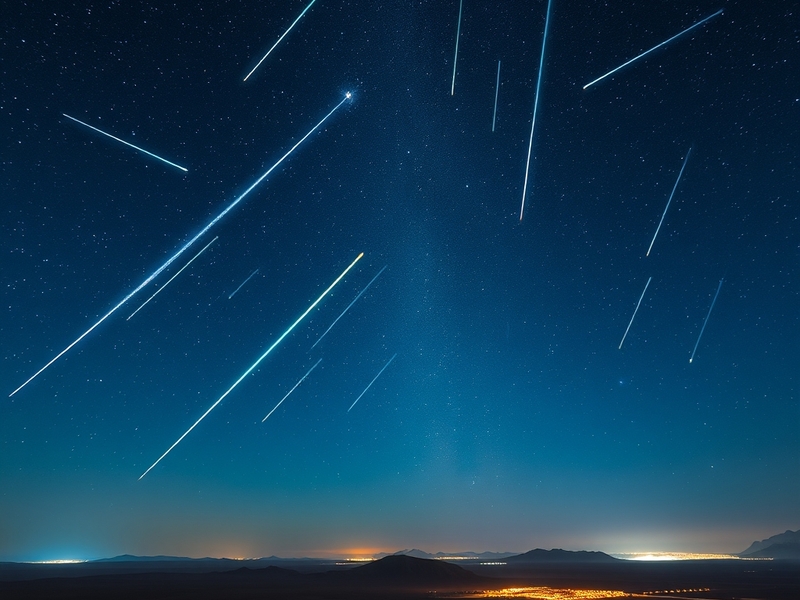
The intensity of a meteor shower depends on several factors, including the density of the debris trail left by its parent comet, the position of the Earth relative to that trail, and the phase of the moon. Comet 109P/Swift-Tuttle, which orbits the sun every 133 years, is the source of the Perseids. As it travels through space, it leaves behind a trail of dust and small particles. When Earth passes through this debris, the particles burn up in the atmosphere, creating the dazzling streaks we recognize as meteors.
Astronomers predict that 2026 will be particularly favorable due to the moon’s phase. During the Perseids’ peak, the moon will be in its waning crescent phase, meaning its light will interfere minimally with visibility. Under ideal conditions—clear skies and minimal light pollution—observers could witness up to 100 meteors per hour. This rate places the 2026 shower among the most prolific of the decade, rivaling even the famed Geminids in December.
Regional variations will play a role in the viewing experience. Northern Hemisphere observers, particularly in Europe, North America, and parts of Asia, will have the best vantage points. However, Southern Hemisphere viewers in Australia and South America may still catch glimpses of the shower, especially those closer to the equator. For those planning to travel, destinations with high-altitude observatories or designated dark-sky parks offer enhanced visibility. Consider visiting travel destinations known for their astronomical facilities, such as Mauna Kea in Hawaii or the Atacama Desert in Chile.
Cultural Traditions and Modern Celebrations
The Perseids have inspired traditions that span centuries and continents. In Mongolia, the shower is sometimes linked to the myth of the “Golden Horse,” a celestial steed that gallops across the sky. During the festival of Tsagaan Sar, the Lunar New Year, some communities incorporate meteor watching into their celebrations, viewing the event as a symbol of renewal. Meanwhile, in parts of Eastern Europe, the Perseids coincide with local harvest festivals, where communities gather to share food and stories under the stars.
In the modern era, meteor showers have become a focal point for both scientific research and public engagement. Organizations like NASA and the International Astronomical Union (IAU) often host live streams and educational programs during major showers. For 2026, expect an uptick in citizen science projects, where amateur astronomers contribute data to global databases. These initiatives not only advance our understanding of cometary debris but also foster a sense of global community among skywatchers.
Social media has transformed how we experience celestial events. Platforms like Instagram and TikTok will likely be flooded with time-lapse videos and real-time reactions as the Perseids peak. Hashtags such as #Perseids2026 and #MeteorShower could trend worldwide, creating a digital mosaic of shared awe. For those looking to document the event, investing in a basic DSLR camera with a wide-angle lens can capture the vibrant trails against the backdrop of the Milky Way.
Tips for Maximizing Your Experience
To fully appreciate the Perseids, preparation is key. Start by identifying a location far from urban light pollution. National parks, beaches, and rural areas are ideal. Once there, allow your eyes at least 20 minutes to adjust to the darkness. Avoid using phones or flashlights, as even brief exposure to bright screens can disrupt your night vision.
Comfort is another critical factor. Bring a reclining chair or a blanket to lie on, along with layers of clothing to stay warm as temperatures drop overnight. A thermos of hot coffee or tea can enhance the experience, turning a simple observation into a memorable ritual. If you’re photographing the event, use a tripod and set your camera to a long exposure—typically between 15 and 30 seconds—to capture the meteors’ trails.
For those new to astronomy, the Perseids offer an accessible entry point. Unlike deep-sky objects that require specialized equipment, meteors are visible to the naked eye. Many local astronomy clubs host public viewing events, providing telescopes and expert guidance. Check listings for education or community events in your area to connect with fellow enthusiasts.
Timing is everything. While the shower peaks on August 11–13, meteors can be spotted for several nights before and after. The best viewing window typically occurs between midnight and dawn, when the radiant point in the constellation Perseus is highest in the sky. Use astronomy apps like Stellarium or SkyView to track the radiant’s position in real time.
Beyond the Perseids: Other August Meteor Showers
The Perseids may dominate August’s celestial calendar, but they are not the only meteor shower active during the month. The Kappa Cygnids, which peak around August 17, are known for their occasional bright fireballs. Though less frequent than the Perseids, they offer a secondary opportunity for skywatchers to witness meteoric activity. Another minor shower, the Alpha Capricornids, peaks in late July but remains active into mid-August, producing slow-moving, colorful meteors.
For observers in the Southern Hemisphere, the Southern Delta Aquariids, which peak in late July, can still be visible in early August. These meteors are fainter but appear lower in the sky, creating a unique viewing experience. Tracking multiple showers requires patience, but it rewards observers with a diverse display of cosmic activity.
Understanding the broader context of meteor showers can deepen appreciation for these events. Each shower is associated with a specific comet or asteroid, and studying their origins reveals insights into the early solar system. For example, the Perseids’ parent comet, Swift-Tuttle, is one of the largest known near-Earth objects, with a nucleus approximately 16 miles wide. Its next close approach to Earth won’t occur until 2126, making the 2026 shower a timely reminder of the dynamic forces shaping our cosmic neighborhood.
A Universal Experience
The Perseids of 2026 will be more than just a celestial event; they will be a global moment of connection. In an age of digital distraction, meteor showers offer a rare opportunity to disconnect from screens and reconnect with the natural world. Whether you’re a seasoned astronomer or a first-time observer, the experience transcends borders and languages, uniting people under the same starry sky.
As urbanization continues to brighten the night, preserving dark skies has become a priority for conservationists and astronomers alike. Initiatives like the International Dark-Sky Association (IDA) advocate for responsible lighting policies to protect these fleeting moments of wonder. By participating in meteor watching, you’re not only enjoying a spectacle but also supporting a movement to safeguard our nocturnal environment.
The Perseids remind us of our place in the universe—a tiny speck on a pale blue dot, yet capable of marveling at the grandeur above. As you prepare for the 2026 shower, take a moment to reflect on the centuries of humans who have gazed at the same streaks of light, finding meaning in the transient and beauty in the infinite.