The Grand Canyon: A Monument to Time and Nature’s Artistry
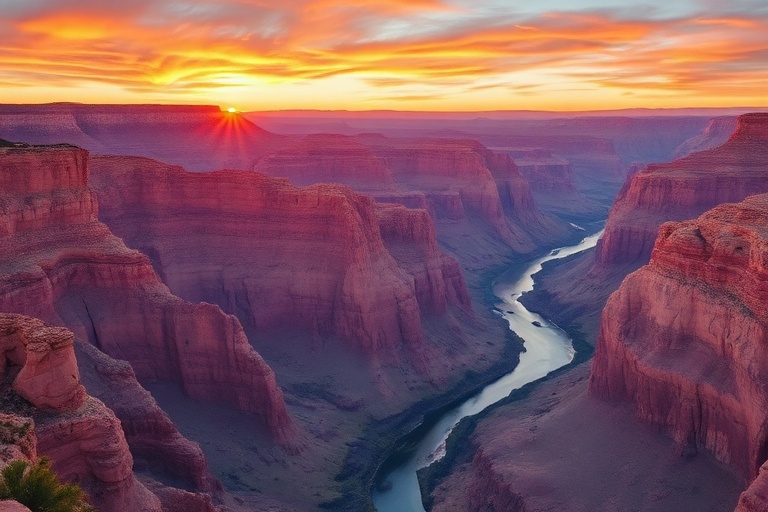
The Grand Canyon stands as one of Earth’s most awe-inspiring natural wonders, a testament to the relentless forces of erosion and geological history. Carved over millions of years by the Colorado River, this vast chasm stretches 277 miles in length, reaches depths of over a mile, and spans up to 18 miles in width. Its sheer scale and vibrant, layered rock formations tell a story of ancient seas, towering mountains, and shifting climates. For visitors, the canyon offers more than just breathtaking views—it provides a humbling perspective on the passage of time and the power of nature.
Designated a UNESCO World Heritage Site in 1979, the Grand Canyon attracts over four million visitors annually. It is a place where adventure seekers, photographers, and families alike come to witness the raw beauty of the American Southwest. Whether explored from the rim or ventured into via hiking trails, the canyon’s grandeur leaves an indelible impression on all who visit.
A Geological Masterpiece: How the Canyon Was Forged
The Grand Canyon’s story begins around 70 million years ago during the Late Cretaceous period, when the region was uplifted as part of the Colorado Plateau. The Colorado River, which had been flowing westward for millions of years, began cutting downward into the newly elevated land. Over time, the river’s relentless force exposed layers of rock spanning nearly two billion years of Earth’s history.
The canyon’s walls reveal a colorful tapestry of geological formations, including the Vishnu Basement Rocks at its deepest layers, which are some of the oldest rocks on the planet. Above them lie sedimentary layers such as the red and orange hues of the Supai Group and the stark white cliffs of the Coconino Sandstone. Each layer represents a different chapter in the region’s past, from ancient oceans to desert dunes.
Geologists continue to study the canyon to refine their understanding of its formation. Recent research suggests that the Colorado River may have initially flowed in the opposite direction before reversing course around 5-6 million years ago. This ongoing exploration highlights how the Grand Canyon remains a living laboratory for scientific discovery.
Exploring the Canyon: From Rim to River
Visitors to the Grand Canyon typically begin their journey at the South Rim, the most accessible and popular section of the park. Open year-round, the South Rim offers stunning viewpoints like Mather Point and Yavapai Observation Station, where visitors can gaze into the abyss of the canyon below. The nearby Grand Canyon Village provides amenities, lodging, and guided tours, making it an ideal base for exploration.
The North Rim, while less crowded, offers a more secluded experience with cooler temperatures and equally dramatic vistas. Open seasonally from mid-May to mid-October due to heavy snowfall, the North Rim’s higher elevation (over 8,000 feet) provides a different perspective on the canyon’s vastness. Hiking trails like the North Kaibab Trail descend into the canyon, offering adventurers a chance to experience its depths firsthand.
For those seeking an adrenaline rush, rafting trips down the Colorado River provide an unparalleled way to witness the canyon’s beauty from water level. Multi-day expeditions allow travelers to camp along the riverbank and explore hidden side canyons, such as the turquoise waters of Havasu Creek. These trips range from leisurely floats to challenging whitewater adventures, catering to all levels of experience.
Alternatively, helicopter tours offer a bird’s-eye view of the canyon’s sprawling landscape, revealing details invisible from the ground. Operators like Dave’s Locker provide guided excursions that highlight the canyon’s most iconic landmarks, including Desert View Watchtower and the confluence of the Colorado and Little Colorado Rivers. These tours are a popular choice for those short on time or unable to hike.
Preserving a Natural Treasure: Challenges and Conservation Efforts
The Grand Canyon’s popularity comes with significant environmental challenges. Overcrowding, especially during peak seasons, has led to concerns about erosion, waste management, and the impact on wildlife. Park officials have implemented measures such as shuttle systems to reduce traffic and limit the number of vehicles entering the park. Additionally, efforts are underway to address the spread of invasive plant species and the preservation of the delicate desert ecosystem.
Climate change poses another threat to the canyon’s future. Rising temperatures and prolonged droughts have reduced water flow in the Colorado River, which is vital for both the ecosystem and the millions who depend on it for drinking water. Scientists warn that continued climate shifts could alter the canyon’s appearance and accessibility in the coming decades. Conservation groups are advocating for sustainable tourism practices and policies to protect this irreplaceable landscape.
Indigenous communities, including the Havasupai, Hopi, Navajo, and Zuni, have deep cultural ties to the Grand Canyon. For generations, these tribes have stewarded the land, sharing their traditions and knowledge with visitors. However, their voices have often been sidelined in discussions about the canyon’s management. Today, collaborative efforts are underway to integrate Indigenous perspectives into conservation strategies and educational programs, ensuring that the canyon’s cultural significance is honored alongside its natural beauty.
Practical Tips for Visiting the Grand Canyon
Planning a trip to the Grand Canyon requires careful consideration of timing, logistics, and personal preferences. Here are some key tips to make the most of your visit:
- Best Time to Visit: Spring (April to May) and fall (September to October) offer mild temperatures and fewer crowds. Summer brings scorching heat, especially at the canyon’s lower elevations, while winter provides a quieter experience but with some facilities closed.
- Getting There: The nearest major airports are in Las Vegas, Nevada (280 miles away), and Phoenix, Arizona (230 miles away). From Las Vegas, many visitors opt for a guided tour or rent a car to reach the South Rim in about 4.5 hours. The North Rim is more remote, requiring a longer drive from Page, Arizona.
- Where to Stay: Options range from historic lodges like El Tovar Hotel to budget-friendly campgrounds. Reservations fill up quickly, especially during peak seasons, so booking in advance is essential. For a unique experience, consider staying in Tusayan, a town just south of the South Rim with additional lodging and dining options.
- Safety Considerations: The Grand Canyon’s high elevation and intense sun can pose health risks. Stay hydrated, wear sunscreen, and take breaks in shaded areas. If hiking, start early in the morning to avoid the heat and ensure you have enough water—at least one gallon per person per day.
- Must-See Viewpoints: Don’t miss iconic spots like Mather Point, Yavapai Point, and Desert View. For a less crowded alternative, head to less-visited areas such as Toroweap Overlook or the eastern end of the canyon near Page.
A Lasting Impression: Why the Grand Canyon Matters
The Grand Canyon is more than just a geological wonder—it is a symbol of nature’s enduring power and humanity’s small place in the grand scheme of time. Standing at its edge, it’s impossible not to feel a sense of awe at the forces that shaped this landscape and the stories it holds within its rock layers. The canyon challenges us to reflect on our relationship with the natural world and our responsibility to protect it for future generations.
Whether you’re an avid hiker, a casual sightseer, or someone seeking a moment of quiet reflection, the Grand Canyon offers something for everyone. Its vastness and beauty remind us of the importance of preserving such treasures, ensuring that they remain a source of inspiration and wonder for centuries to come.
As you plan your visit, take the time to immerse yourself in the canyon’s history, culture, and ecology. Listen to the stories shared by park rangers, engage with local communities, and let the landscape speak for itself. The Grand Canyon isn’t just a destination—it’s an experience that will stay with you long after you’ve returned home.
For those looking to explore beyond the Grand Canyon, consider venturing to nearby natural wonders like Antelope Canyon or the Hoover Dam. These destinations offer additional opportunities to witness the beauty and complexity of the American Southwest, each with its own unique story to tell.