The Intricate Dance of Hunt, Prey, and Predator
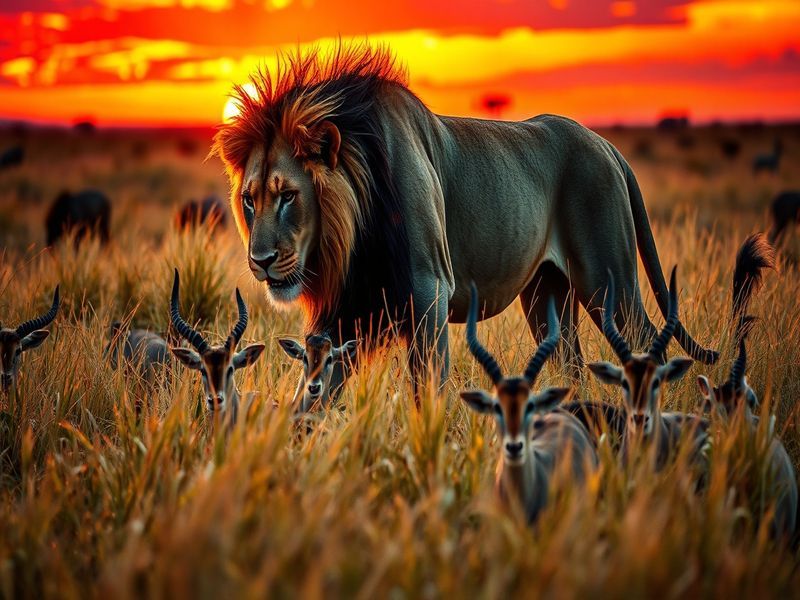
The relationship between hunters and their prey is one of nature’s most compelling narratives. This dynamic is not merely a fight for survival; it encompasses a range of behaviors, adaptations, and strategic maneuvers that define ecosystems. Predators, equipped with speed, strength, and cunning, pursue a variety of prey, each of which has its own defenses and survival tactics. Understanding this relationship offers insights into the complexity of life on Earth.
Predator Adaptations
Predators possess a range of adaptations that make them effective hunters. These adaptations vary widely among species, but some common traits include:
- Physical Strength: Many predators are built for power, allowing them to tackle large prey.
- Speed: Animals like cheetahs have evolved to reach incredible speeds, enabling quick chases.
- Camouflage: Predators such as tigers use their stripes to blend into their surroundings, enhancing their stealth.
- Intelligence: Some species, like wolves, hunt in packs, using teamwork to outsmart their prey.
These adaptations are not arbitrary; they have evolved over millions of years through the process of natural selection. The most successful hunters have passed on their traits, perpetuating a cycle of efficiency and survival.
Prey Defense Mechanisms
On the other side of the equation, prey animals have developed a variety of defense mechanisms to evade capture. These strategies can be categorized into several types:
- Camouflage: Many species, such as stick insects, blend into their environment to avoid detection.
- Speed and Agility: Animals like rabbits can quickly dart away from danger, using their agility to escape.
- Herd Behavior: Prey animals often form groups, making it difficult for a predator to single out an individual.
- Defensive Structures: Some species, like porcupines, have physical traits that deter predators.
These defense mechanisms are crucial for the survival of prey species. They showcase the ongoing evolutionary arms race between predators and their targets. Each adaptation in one group often prompts a counter-adaptation in the other.
The Impact of Environment on Predator-Prey Relationships
The environment plays a pivotal role in shaping the dynamics between hunters and hunted. Factors such as habitat type, availability of resources, and climate conditions can influence these interactions. For instance, in densely forested areas, camouflage may be more effective for both predators and prey, while in open savannas, speed and endurance may take precedence.
Furthermore, human activities have significantly altered these relationships. Habitat destruction, climate change, and pollution can disrupt the balance, leading to declines in both predator and prey populations. Conservation efforts are essential to maintain these delicate ecosystems. Understanding the nuances of predator-prey interactions can inform better management practices.
Conclusion
The hunt between predator and prey represents a fundamental aspect of ecological balance. Each participant in this dance has evolved unique traits that contribute to their survival. While predators refine their hunting strategies, prey continually adapt to evade them. This ongoing cycle of adaptation and survival underscores the complexity of natural ecosystems.
By studying these relationships, we gain insights not only into the lives of individual species but also into the health of entire ecosystems. Protecting these systems is vital for maintaining biodiversity and ensuring the resilience of our planet.
For more insights into wildlife and ecological dynamics, explore our Science and Nature sections.