Kuwait: Modern Gulf State with Ancient Traditions and Economic Power
Kuwait, a small yet influential nation on the northwestern edge of the Persian Gulf, stands as a testament to resilience and transformation. Bordered by Iraq to the north and Saudi Arabia to the south, this emirate has evolved from a modest pearl-diving community into a financial and cultural hub in the Arabian Peninsula. Its history is marked by trade, tribal governance, and strategic partnerships that have shaped its identity today.
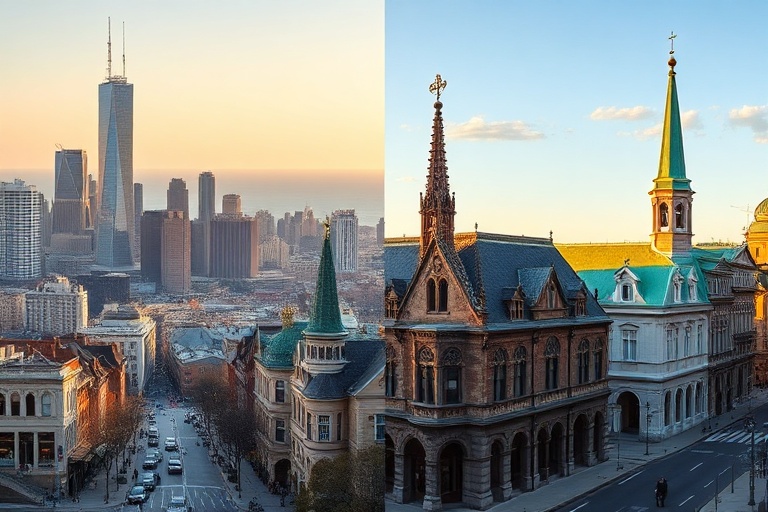
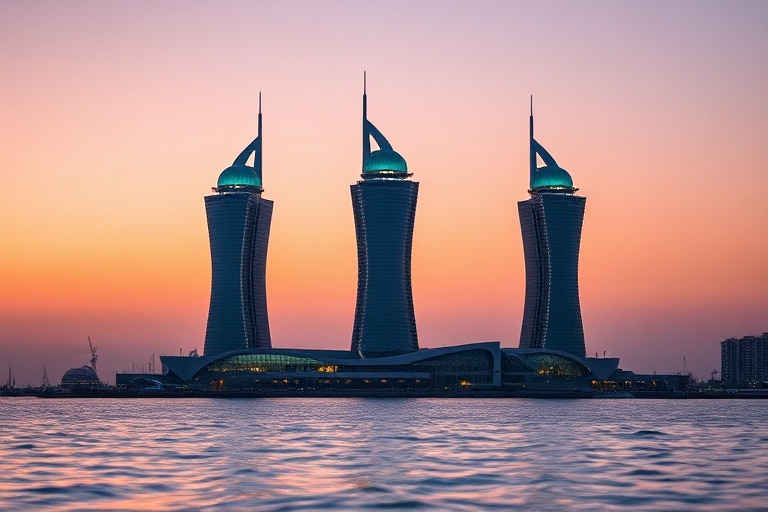
The country’s name derives from the Arabic word for “fort” or “castle,” reflecting its historical role as a defensive stronghold against Bedouin raids. Kuwait City, the capital, serves as the political and economic heart of the nation, blending ultra-modern skyscrapers with traditional souks and mosques. With a population of just over four million people—nearly half of whom are expatriates—Kuwait balances cosmopolitan energy with deep-rooted traditions.
Economic Foundations: From Pearls to Petroleum
Before oil, Kuwait’s economy thrived on pearl diving, trade, and shipbuilding. By the early 20th century, the discovery of oil transformed the nation’s fortunes almost overnight. The Kuwait Oil Company, established in 1934, became the cornerstone of its modern economy. Today, petroleum accounts for over 90% of export revenues and nearly half of its GDP, making Kuwait one of the world’s wealthiest countries per capita.
The government has diversified its investments through the Kuwait Investment Authority (KIA), one of the oldest sovereign wealth funds globally. With assets exceeding $700 billion, the KIA plays a pivotal role in global markets, funding infrastructure projects across Asia, Europe, and the Americas. Despite this financial strength, Kuwait faces challenges such as reliance on oil, bureaucratic inefficiencies, and the need to modernize its labor market.
Key Economic Sectors
- Oil & Gas: Accounts for 50% of GDP and 90% of exports.
- Finance: Kuwait’s banking sector is among the most stable in the Gulf.
- Construction: Driven by megaprojects like the Silk City (Madinat al-Hareer).li>
- Renewable Energy: Kuwait aims to generate 15% of its power from renewables by 2030.
For those interested in economic trends shaping the Middle East, Dave’s Locker Business section offers deeper analysis on regional markets and investment strategies.
Political Landscape: A Constitutional Monarchy
Kuwait is a constitutional monarchy with a parliamentary system, a rarity in the Gulf. The Al-Sabah family has ruled since the 18th century, but the 1962 constitution introduced an elected National Assembly (Majlis al-Umma), granting citizens limited but meaningful political participation. This hybrid system has fostered lively debates, though tensions occasionally arise between the elected assembly and the ruling family over issues like corruption and economic policy.
In 2023, Kuwait ranked 14th globally in the Democracy Index by The Economist, the highest in the Arab world. However, political gridlock has stalled reforms, and the government has dissolved parliament multiple times in recent years. Women gained full political rights in 2005, and in 2023, they held five seats in the National Assembly—the highest representation to date.
Political Challenges
- Gridlock: Frequent clashes between the government and parliament over budgets and legislation.
- Corruption: Transparency International ranks Kuwait 77th out of 180 in its 2023 Corruption Perceptions Index.
- Labor Rights: The kafala (sponsorship) system has faced criticism for abuses against migrant workers.
- Regional Pressures: Balancing relations with Saudi Arabia, Iraq, and Iran while maintaining sovereignty.
Cultural Heritage: Where Tradition Meets Innovation
Kuwait’s culture is a vibrant fusion of Bedouin traditions and cosmopolitan influences. The country’s Bedouin roots are evident in its poetry, music, and hospitality, while its coastal location has shaped a maritime identity. Traditional crafts like sadu (Bedouin weaving) and dhow boatbuilding remain cherished art forms.
Modern Kuwaiti society embraces innovation, particularly in the arts and media. The Kuwaiti film industry, though small, has gained international acclaim, with directors like Hani Al-Shaibani and Abdullah Al-Mulla pushing creative boundaries. The country also hosts the annual Kuwait International Book Fair, one of the largest in the region, drawing publishers and readers from across the Arab world.
Cuisine offers another window into Kuwait’s cultural identity. Dishes like machboos (spiced rice with meat), margoug (stuffed flatbread), and balaleet (sweet vermicelli breakfast) reflect its Arab, Persian, and Indian influences. Seafood, including hamour (grouper) and shrimp, features prominently in coastal cuisine.
Tourism and Future Prospects
Kuwait’s tourism sector remains underdeveloped compared to its Gulf neighbors, but efforts are underway to attract visitors. The Kuwait Towers, an iconic symbol of the country, offer panoramic views of the city and the Persian Gulf. The Tareq Rajab Museum showcases Islamic art and heritage, while the Green Island provides a rare green space in an otherwise arid landscape.
The government’s New Kuwait 2035 vision aims to diversify the economy and boost tourism through projects like the Silk City, a proposed $100 billion development featuring artificial islands and a 1,000-meter-tall tower. However, logistical hurdles and funding challenges persist.
Kuwait’s strategic location also makes it a key player in regional security. It hosts the American military’s Camp Arifjan and has played a mediating role in Gulf disputes. Its neutrality during the Gulf War and subsequent conflicts has earned it respect as a stable force in a volatile region.
For travelers seeking off-the-beaten-path destinations, Kuwait offers a unique blend of history, modernity, and authenticity. Its relatively low tourist numbers mean fewer crowds and a more intimate experience compared to Dubai or Doha.
Why Visit Kuwait?
- Authentic Culture: Experience Bedouin traditions and Gulf hospitality without commercialization.
- Architectural Marvels: From the futuristic Kuwait National Assembly to the historic Souq Al-Mubarakiya.
- Safety & Stability: One of the safest countries in the Middle East with a low crime rate.
- Shopping: High-end malls like The Avenues coexist with traditional markets.
To explore more travel destinations in the Middle East, visit Dave’s Locker Travel section for curated guides and insights.
Conclusion: A Nation at a Crossroads
Kuwait stands at a critical juncture between preserving its heritage and embracing the future. Its economic wealth provides opportunities, but structural challenges—such as political stagnation and over-reliance on oil—threaten long-term stability. Culturally, it remains a bridge between tradition and modernity, offering visitors a glimpse into a Gulf society that values both its past and progress.
The country’s resilience is evident in its ability to navigate regional conflicts, global economic shifts, and internal reforms. As Kuwait looks toward its 2035 vision, the world will be watching to see whether it can achieve its ambitious goals or succumb to the pressures of change.
One thing is certain: Kuwait’s story is far from over. Whether through its financial clout, cultural contributions, or geopolitical role, this small emirate continues to leave an outsized imprint on the world stage.