Tucked away in Newaygo County, Michigan, Croton Dam stands as a testament to early 20th-century engineering and remains a vital recreational hub. Completed in 1907 by the Grand Rapids & Indiana Railroad, this hydroelectric dam was originally constructed to power the railroad’s expanding operations. Over a century later, it continues to serve multiple purposes, from generating electricity to providing flood control and outdoor recreation.
The dam’s location on the Muskegon River has made it a focal point for both industrial history and natural beauty. While its primary function has evolved from solely powering trains to supporting a balanced ecosystem, Croton Dam remains a key landmark in West Michigan. Its sturdy concrete structure and scenic surroundings attract visitors year-round, whether for fishing, kayaking, or simply enjoying the landscape.
The History Behind Croton Dam
Croton Dam’s origins trace back to the late 1800s, when the Grand Rapids & Indiana Railroad sought to expand its infrastructure. The railroad needed a reliable power source to operate its expanding network, and the Muskegon River provided the perfect opportunity. Construction began in 1906 and was completed in just over a year, a remarkable feat for the era. The dam’s initial purpose was to harness the river’s flow to generate electricity, which would power the railroad’s operations in Grand Rapids and beyond.
By the 1920s, the dam’s role expanded as Michigan’s demand for electricity grew. Consumers Power Company (now Consumers Energy) acquired the dam in 1925, modernizing its facilities to increase hydroelectric output. The dam’s original 1,200-kilowatt capacity was eventually upgraded to 4,000 kilowatts, making it one of the more significant hydroelectric producers in the region. Despite these changes, the dam retained much of its original structure, blending historic engineering with modern functionality.
In 1972, Croton Dam was listed on the National Register of Historic Places, recognizing its importance in Michigan’s industrial and engineering history. Today, it remains one of the oldest operational hydroelectric dams in the state, a silent but powerful reminder of early 20th-century innovation.
Recreation and Outdoor Activities at Croton Dam
Beyond its historical and industrial significance, Croton Dam is a premier destination for outdoor enthusiasts. The dam’s reservoir, known as Croton Pond, spans over 1,500 acres and offers a variety of recreational opportunities. Anglers flock to the area to fish for bass, pike, perch, and walleye, with the dam’s spillway creating a prime fishing spot. The Michigan Department of Natural Resources stocks the pond annually, ensuring healthy fish populations for visitors.
For those who prefer to stay on land, the surrounding Newaygo State Forest provides miles of hiking and biking trails. The forest’s dense woodlands and rolling hills offer a peaceful escape, while the Muskegon River Trail runs parallel to the dam, allowing hikers to explore the river’s scenic banks. In winter, the area transforms into a snowy paradise, with cross-country skiing and snowmobiling opportunities drawing visitors from across the state.
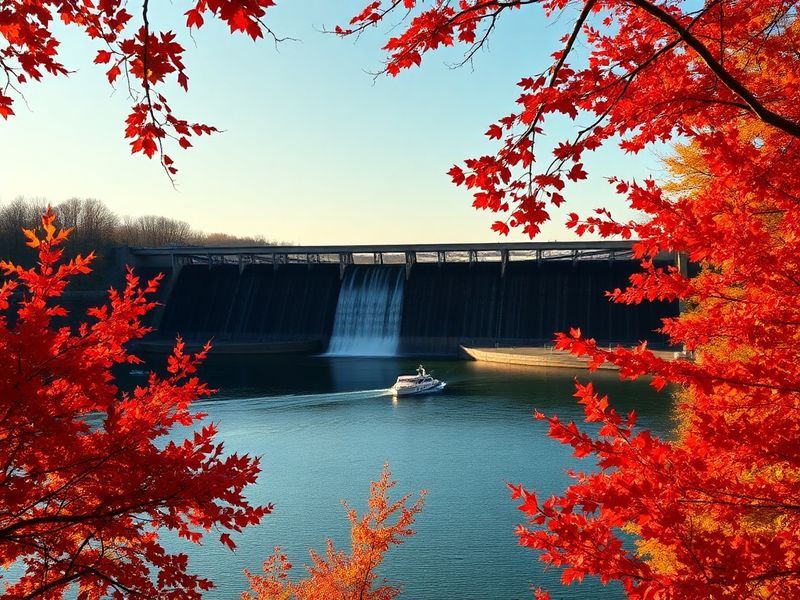
Water sports are another major draw. Kayakers and canoeists navigate the calm waters of Croton Pond, while the Muskegon River below the dam offers a mix of gentle currents and challenging rapids for whitewater enthusiasts. The dam itself is a popular spot for picnics and photography, with its towering concrete walls and cascading water creating a dramatic backdrop.
- Fishing: Croton Pond is stocked annually with a variety of fish, making it a hotspot for anglers.
- Hiking: The Newaygo State Forest and Muskegon River Trail offer scenic routes for all skill levels.
- Kayaking/Canoeing: Paddle through Croton Pond or navigate the Muskegon River’s rapids.
- Winter Sports: Snowshoeing, cross-country skiing, and snowmobiling are popular in the colder months.
Environmental Impact and Conservation Efforts
While Croton Dam has been a source of clean energy for over a century, its construction and operation have had lasting environmental effects. The dam’s creation of Croton Pond flooded large areas of the Muskegon River valley, altering local ecosystems and habitats. Fish migration patterns were disrupted, and sediment flow downstream was significantly reduced, affecting riverbed health and water quality.
In recent decades, conservation efforts have aimed to mitigate these impacts. The Michigan Department of Natural Resources has implemented fish ladders and other passage systems to help restore migratory fish populations, including salmon and steelhead. Additionally, Consumers Energy, which still operates the dam, has worked to improve water flow management and reduce environmental harm during periods of low water.
Despite these efforts, debates continue about the long-term sustainability of hydroelectric dams like Croton. Some environmental groups argue for dam removal to restore natural river flows and ecosystems, while others point to the benefits of clean energy production. The conversation reflects broader tensions between industrial progress and environmental preservation, a challenge faced by many of Michigan’s aging dams.
Visiting Croton Dam: What to Expect
Croton Dam is located just north of the town of Croton, about 30 miles north of Grand Rapids. The dam and its surrounding amenities are easily accessible via M-37, making it a convenient day trip for locals and tourists alike. Visitors can park at the designated areas near the dam and explore the grounds on foot. The Michigan DNR maintains a boat launch on Croton Pond, and several picnic areas provide spots to relax and enjoy the view.
For those planning an extended stay, nearby campgrounds and cabins offer lodging options. The area’s natural beauty and recreational opportunities make it a popular destination year-round, though summer and fall are particularly busy seasons. Whether you’re drawn by the dam’s history, the promise of a great catch, or the tranquility of the Muskegon River, Croton Dam offers something for everyone.
Before planning your visit, check the Consumers Energy website for any updates on dam operations or access restrictions. While the dam is typically open to the public, occasional maintenance or safety concerns may limit access. With a little preparation, a trip to Croton Dam promises a memorable experience blending history, nature, and adventure.
Croton Dam stands as more than just a relic of the past—it’s a living, breathing part of Michigan’s landscape. From its industrial roots to its role in today’s outdoor recreation scene, the dam continues to shape the community and environment around it. Whether you’re a history buff, an angler, or simply someone looking to enjoy the great outdoors, Croton Dam is a destination worth exploring.