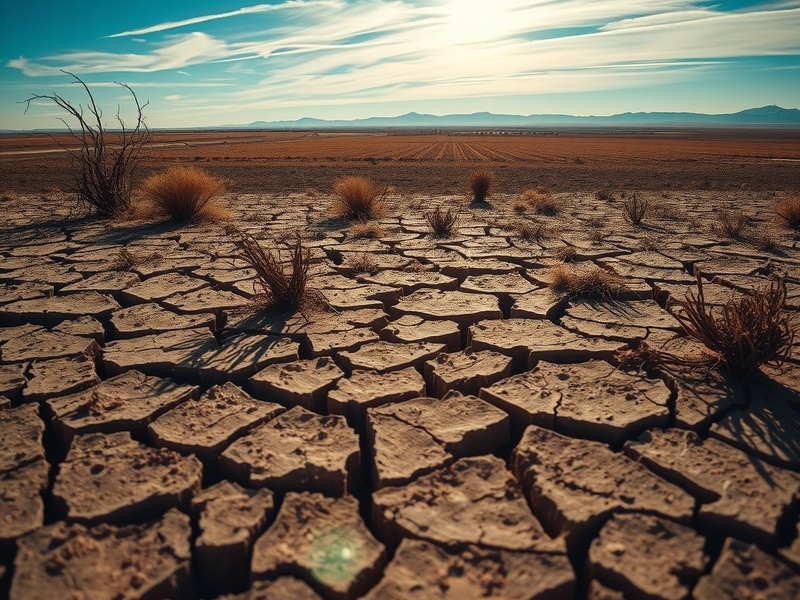
Understanding Drought: Causes and Consequences
Drought is a prolonged period of abnormally low rainfall, leading to water shortages that can have devastating effects on agriculture, ecosystems, and human communities. While droughts can occur in any part of the world, their frequency and intensity have been increasing due to climate change and human activities. Understanding the causes and implications of drought is crucial for developing effective response strategies.
Causes of Drought
Several factors contribute to the onset of drought, and they often interconnect in complex ways. Here are some of the primary causes:
- Climate Change: Rising global temperatures can alter precipitation patterns, leading to prolonged dry spells.
- Deforestation: The removal of trees disrupts local weather patterns, reducing rainfall and increasing evaporation.
- Over-extraction of Water: Excessive use of groundwater for agriculture and urban needs depletes water sources, exacerbating drought conditions.
- Soil Degradation: Poor land management practices can lead to soil erosion and loss of fertility, making it difficult for vegetation to thrive and retain moisture.
Impacts of Drought on Society and Environment
The consequences of drought extend far beyond the immediate lack of water. They can trigger a cascade of effects that impact various sectors:
- Agriculture: Crop failures and livestock losses can lead to food shortages, rising prices, and economic instability.
- Water Supply: Communities may face severe water shortages, leading to conflicts over resources and increased pressure on local water management systems.
- Health Issues: Drought can compromise food security, leading to malnutrition and related health problems.
- Ecosystem Damage: Wildlife habitats can be severely affected, with many species facing extinction due to habitat loss and reduced food availability.
Broader Implications and Future Challenges
As droughts become more frequent and severe, the implications for society are profound. The economic costs associated with drought are substantial, affecting everything from agriculture to infrastructure. Governments and organizations must invest in climate resilience strategies, including:
- Water Conservation: Implementing sustainable water management practices to ensure efficient use of existing resources.
- Technological Innovations: Developing drought-resistant crop varieties and advanced irrigation systems that minimize water use.
- Public Awareness: Educating communities about the importance of water conservation and the impacts of climate change.
Additionally, policy changes at local, national, and international levels are necessary to address the underlying causes of drought. This includes promoting sustainable land use practices and enhancing global cooperation on water management.
Conclusion
Drought is a multifaceted issue that poses significant challenges to our environment and society. Understanding its causes and consequences is essential for developing effective strategies to mitigate its impacts. As climate change continues to alter weather patterns, proactive measures will be crucial in ensuring water security and resilience for future generations.