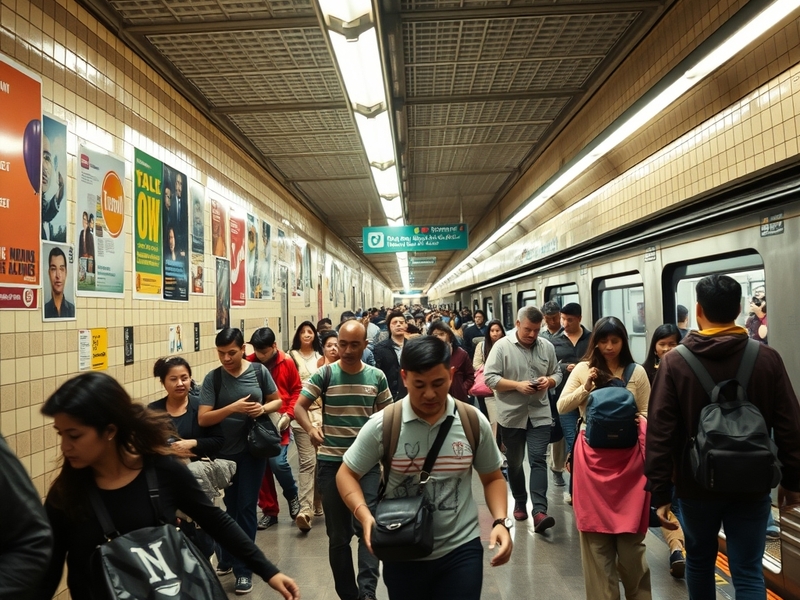
Understanding the Subway Station: A Global Perspective
Subway stations serve as vital hubs of urban life, connecting millions of commuters daily. They are not merely transit points; they embody the essence of a city’s culture, history, and social dynamics. Across the globe, subway systems vary significantly, reflecting the unique characteristics of their respective cities. From the bustling streets of New York City to the efficient networks of Tokyo, subway stations are the arteries of urban transportation.
The Architecture of Subway Stations
The design of subway stations can tell you much about a city. In some places, stations are grand and ornate, showcasing architectural styles that date back decades. For example, the iconic Grand Central Terminal in New York is celebrated for its Beaux-Arts architecture and celestial dome. In contrast, Tokyo’s Shinjuku Station, one of the busiest in the world, is a labyrinth of modern efficiency, with sleek lines and a focus on functionality.
Here are some notable features of subway station architecture:
- Historical Significance: Many stations are landmarks, reflecting the history of their cities.
- Art Installations: Subway stations often feature public art, enhancing the commuter experience.
- Accessibility: Modern designs prioritize accessibility for all, including those with disabilities.
- Safety Features: Security measures have evolved, incorporating technology to ensure passenger safety.
Cultural Significance of Subway Stations
Subway stations often serve as microcosms of the cities they inhabit. They are melting pots of diverse cultures, where people from various backgrounds converge. This dynamic environment fosters a sense of community and provides a platform for cultural exchange. Street performers, artists, and vendors frequently populate these spaces, adding vibrancy and life.
Moreover, subway stations often reflect social issues and local challenges. For instance, in cities with high levels of homelessness, stations may become shelters for those in need. This dual role of serving as transit points and social spaces presents both opportunities and challenges for urban planners and city officials.
Global Comparisons: Subway Systems Around the World
While subway systems share the common goal of efficient transportation, their structures and operations can differ widely. Here’s a brief overview of notable subway systems across the globe:
- New York City Subway: One of the largest and oldest, known for its extensive network and 24-hour service.
- Tokyo Metro: Renowned for its punctuality and cleanliness, it handles millions of passengers daily.
- London Underground: Often called “the Tube,” it features historical stations and a unique map system.
- Shanghai Metro: One of the fastest-growing systems, it boasts cutting-edge technology and modern trains.
These systems not only facilitate transportation but also influence the urban landscape. They can affect real estate prices, business development, and even social interactions. As cities continue to grow, the role of subway stations will likely expand, adapting to the changing needs of urban populations.
Challenges Facing Subway Systems
Despite their importance, subway systems face various challenges. Aging infrastructure, funding deficits, and safety concerns are prevalent issues in many cities. Maintenance and upgrades require significant investment and planning, often leading to service disruptions.
Additionally, the rise of alternative transportation methods, such as ride-sharing services and electric scooters, poses competition. Urban planners must balance these options while ensuring that subway systems remain a viable and attractive choice for commuters.
In conclusion, subway stations are much more than transit points; they are integral to the cultural and social fabric of urban life. As cities evolve, understanding the role of these stations becomes increasingly vital. From architectural significance to cultural exchanges, subway stations reflect the complexities of urban living in a globalized world. Their future will depend on innovation and adaptability, ensuring they continue to serve as essential conduits for movement and connection.