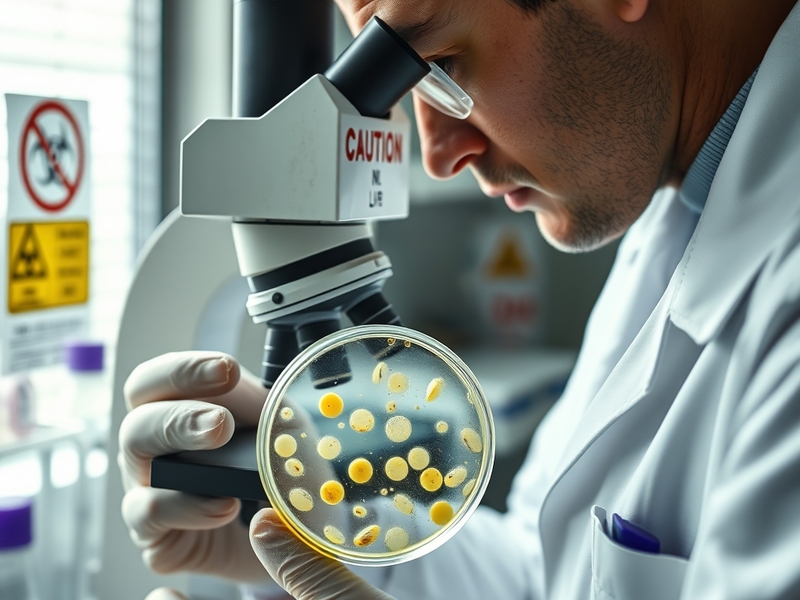
Understanding the Intercon Chemical Bacteria Contamination Recall
The recent recall of products by Intercon Chemical due to bacteria contamination has raised significant concerns among consumers and industry experts alike. This recall highlights the importance of stringent safety measures in the manufacturing and distribution of chemical products. As the public becomes more aware of potential health risks, companies are under increased scrutiny to ensure their products meet safety standards.
The Nature of the Contamination
Intercon Chemical announced the recall after testing revealed the presence of harmful bacteria in certain batches of their cleaning and sanitizing products. This contamination poses serious health risks, particularly for vulnerable populations, including those with weakened immune systems. The bacteria found in the products could lead to serious infections if ingested or if they come into contact with open wounds.
The company has taken immediate steps to address the issue, including:
- Issuing a voluntary recall of affected products.
- Notifying retailers and distributors to remove contaminated products from shelves.
- Implementing enhanced quality control measures to prevent future occurrences.
Impact on Consumers and Businesses
The repercussions of this recall extend beyond just Intercon Chemical. Consumers who purchased the affected products are now faced with the potential health risks. Many may not be aware of the specifics of the recall or how to determine if their product is affected. This uncertainty can lead to anxiety and mistrust towards not only Intercon but also the industry as a whole.
Businesses that rely on Intercon’s products for cleaning and sanitation face their own challenges. They must quickly assess their inventory and ensure that any contaminated products are removed. Additionally, they need to communicate effectively with their customers about the recall and the steps being taken to ensure safety.
Industry Response and Regulatory Implications
The Intercon recall has prompted responses from various industry associations and regulatory bodies. Experts emphasize the need for stricter regulations governing the production of chemical products. The Food and Drug Administration (FDA) and other agencies are expected to review the incident and may propose new guidelines to enhance safety standards.
Moreover, this recall serves as a wake-up call for manufacturers to prioritize transparency and consumer safety. Companies should consider implementing more rigorous testing protocols and engaging in regular audits of their production processes. The potential for damage to a brand’s reputation is high, and proactive measures can mitigate risks.
Moving Forward: Lessons Learned
As the dust settles from the Intercon Chemical recall, several lessons can be drawn for both consumers and manufacturers. First, consumers should remain vigilant and informed about the products they use. They can check recalls on official websites and stay updated on safety alerts. Manufacturers, on the other hand, must recognize the importance of quality assurance and the potential consequences of negligence.
In conclusion, the Intercon Chemical bacteria contamination recall is a stark reminder of the vulnerabilities present in product safety. It highlights the critical need for companies to maintain high standards and for consumers to stay informed. As the industry moves forward, the focus should be on enhancing safety protocols and fostering trust between consumers and manufacturers.