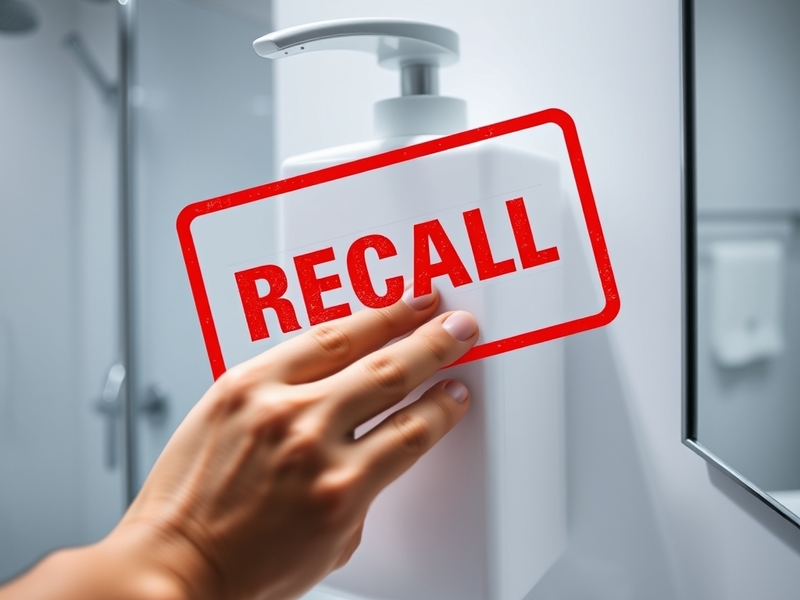
Overview of the Intercon Chemical Hand Soap Recall
The recent recall of Intercon Chemical hand soap has raised significant concerns among consumers and health experts alike. This recall, initiated due to contamination fears, affects various products distributed across multiple regions. Hand hygiene has always been crucial, especially in the wake of global health crises, making the implications of this recall particularly alarming.
Reasons Behind the Recall
The recall was prompted by several reports indicating that certain batches of Intercon Chemical hand soap contained potentially harmful bacteria. The specific strain identified is known to cause skin infections and other health issues. As a preventive measure, the company decided to pull affected products from shelves, prioritizing consumer safety.
Among the main reasons for the recall are:
- Contamination during the manufacturing process.
- Inadequate quality control measures.
- Reports of adverse reactions from consumers.
These factors highlight the importance of rigorous testing and quality assurance in the production of hygiene products. As consumers increasingly rely on hand sanitizers and soaps, manufacturers must uphold the highest standards to ensure safety.
Impact on Consumers and Retailers
This recall has widespread implications not only for consumers but also for retailers who stock these products. For consumers, the immediate concern revolves around health risks associated with using potentially contaminated soap. Many individuals, especially those with weakened immune systems, could face serious health complications.
Retailers, on the other hand, may experience financial repercussions. The need to remove products from shelves can lead to loss of revenue and damage to brand reputation. In an era where trust in brands is paramount, a recall can have lasting effects on consumer loyalty.
To mitigate these impacts, both consumers and retailers should stay informed about recall announcements and ensure that they are using safe products. Here are some steps consumers can take:
- Check the batch numbers of products against recall lists.
- Dispose of any recalled products immediately.
- Report any adverse reactions to health authorities.
Global Perspective on Hygiene Products
The recall of Intercon Chemical hand soap is not an isolated incident. Globally, there have been numerous recalls in the personal care and hygiene sectors due to similar contamination issues. In many countries, the COVID-19 pandemic has heightened awareness about the importance of hygiene, leading to increased scrutiny of hygiene products.
Different cultures approach hand hygiene in various ways, influenced by local customs and health regulations. For instance, in some Asian countries, the use of alcohol-based sanitizers became commonplace long before the pandemic, while in other regions, traditional soaps dominated the market. This diversity in practices underscores the need for universal standards in product safety.
Moreover, the global supply chain for hygiene products means that a recall can have far-reaching consequences. Products manufactured in one country can quickly find their way into markets worldwide, making it essential for regulatory bodies to work together to ensure consumer safety.
Conclusion
The Intercon Chemical hand soap recall is a stark reminder of the importance of vigilance in product safety. As consumers, it is crucial to remain informed and proactive about the products we use daily. For manufacturers, this incident serves as a wake-up call to enhance quality control measures and prioritize consumer health.
As the global market for hygiene products continues to expand, the necessity for stringent safety standards becomes increasingly clear. Ensuring that products are free from contamination is not just a legal requirement; it is a moral responsibility that manufacturers must uphold to protect public health.
For more information on hygiene products and safety recalls, visit our Health section.