The Significance of Iranian Rallies
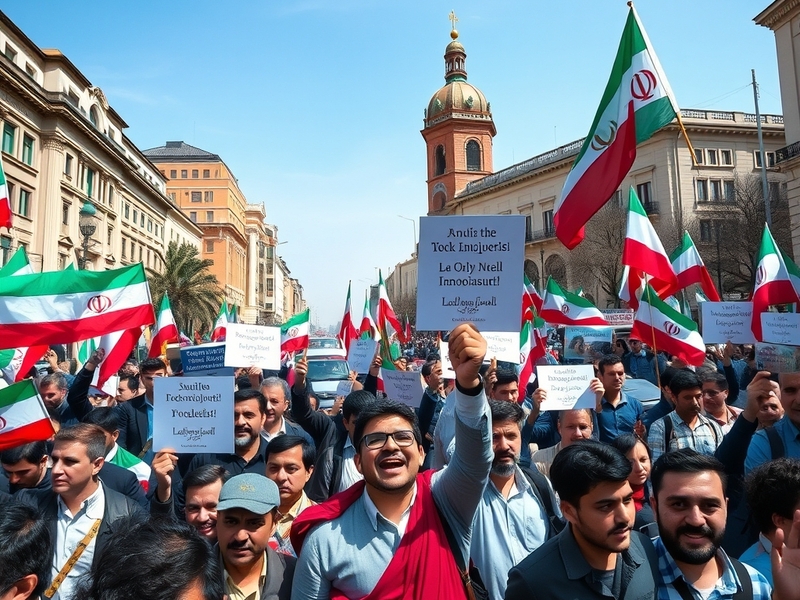
Iranian rallies have become a focal point for expressing dissent and advocating for change within the nation. Over the past few years, these demonstrations have not only garnered attention within Iran but have also resonated globally. From the streets of Tehran to international solidarity events, the voices of the Iranian people are increasingly difficult to ignore.
Historical Context of Protests in Iran
The roots of modern Iranian protests can be traced back to the 1979 Iranian Revolution, which saw the overthrow of the Shah and the establishment of the Islamic Republic. Since then, the country has experienced a series of uprisings, each fueled by a mix of political repression, economic hardship, and social injustice. The 2009 Green Movement, for instance, was sparked by allegations of electoral fraud and saw millions take to the streets in a bid for democratic reforms.
More recently, protests have erupted in response to a variety of issues, including the government’s handling of economic crises, human rights violations, and the controversial hijab laws. These rallies often unite diverse segments of the population, including students, women, and workers, all demanding a better future.
Global Reactions and Solidarity
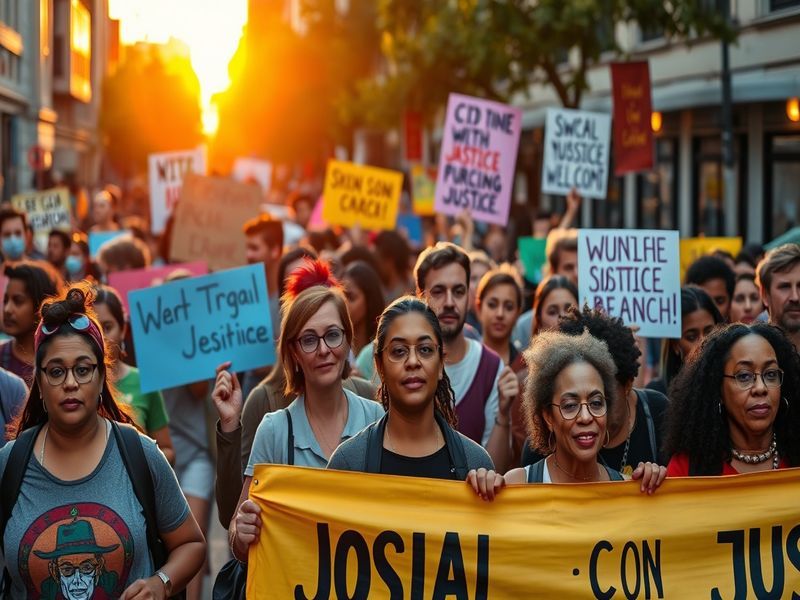
As news of Iranian protests spreads, global reactions have varied widely. Many countries have expressed support for the Iranian people’s right to assemble and protest peacefully. Activist groups around the world have organized rallies to show solidarity, emphasizing the universal nature of the struggle for freedom and human rights.
In addition to grassroots support, international organizations have also taken a stand. The United Nations has called for investigations into human rights abuses during these protests, urging the Iranian government to respect its citizens’ rights to free expression and assembly. The following are some key points regarding global reactions:
- International media coverage highlights the plight of protesters.
- Various governments issue statements condemning violence against demonstrators.
- Social media campaigns amplify Iranian voices and stories.
- Solidarity rallies are held in major cities worldwide.
The Role of Technology in Modern Protests
Technology plays a crucial role in the organization and dissemination of information during Iranian rallies. Social media platforms like Twitter and Instagram allow activists to share real-time updates, mobilize supporters, and document events as they unfold. This digital landscape has transformed how protests are conducted, making it easier for people to connect and coordinate efforts.
However, the Iranian government has also adapted to these changes. Authorities often impose internet blackouts or restrict access to social media to stifle dissent. Despite these challenges, the resilience of the Iranian people shines through as they continue to find innovative ways to communicate and organize.
Conclusion: The Future of Iranian Protests
The future of Iranian protests remains uncertain, but the determination of the people is unmistakable. As they continue to rally for change, the support from the international community will be vital. The global response to these protests not only impacts the situation in Iran but also serves as a reminder of the interconnectedness of human rights struggles worldwide. The Iranian people’s pursuit of freedom, equality, and justice is a testament to their unwavering spirit, and it is a story that deserves to be told and heard.