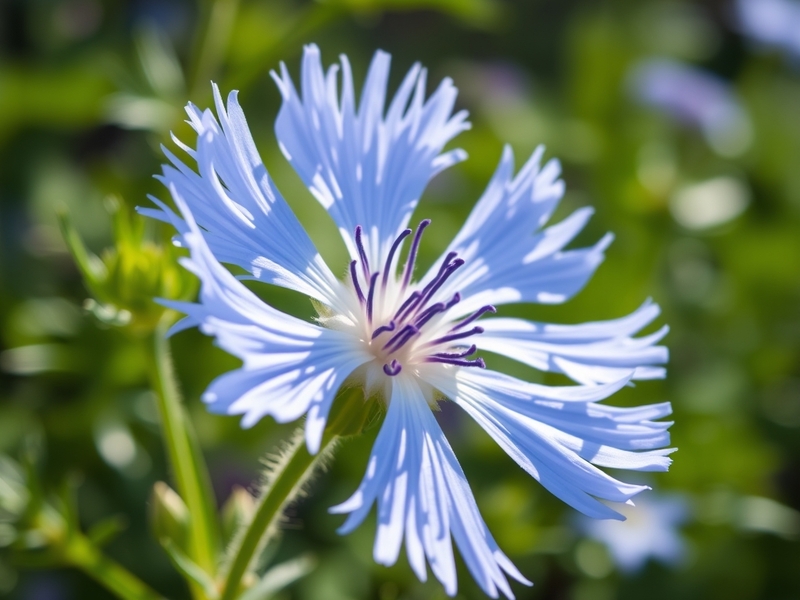
Understanding Nigella: A Culinary Gem
Nigella, also known as black cumin or kalonji, is a spice that has gained recognition not only for its unique flavor but also for its numerous health benefits. Originally native to South Asia, this tiny black seed has woven its way into culinary traditions across the globe. From Middle Eastern dishes to Indian curries, nigella seeds are celebrated for their aromatic qualities and nutritional properties.
Historical and Cultural Significance
The use of nigella dates back thousands of years. Ancient Egyptians revered it, often using it for both culinary and medicinal purposes. It is said that the seeds were found in the tomb of Tutankhamun, highlighting their value in ancient society. In the Islamic tradition, nigella is regarded as a remedy for various ailments. The Prophet Muhammad reportedly stated that it is a cure for everything except death, further solidifying its place in herbal medicine.
In South Asian cuisine, nigella seeds are commonly used in dishes like naan and biryani, adding a distinctive flavor that enhances the overall profile of the meal. Meanwhile, in Middle Eastern cooking, they are often sprinkled on breads or used in pickles, showcasing their versatility.
Culinary Uses of Nigella
Nigella seeds can be used in various ways, making them a staple in many kitchens. Here are some popular culinary applications:
- Baking: Often used in bread, especially in Middle Eastern recipes.
- Seasoning: Added to curries and stews for a peppery flavor.
- Garnish: Sprinkled on salads or roasted vegetables for added crunch.
- Infusions: Used to flavor oils and vinegars.
These seeds are not just appreciated for their taste; they also contribute health benefits. Rich in antioxidants, they are believed to help with inflammation, digestion, and even respiratory issues. Their oil is often used in skincare products due to its moisturizing properties.
Global Perspectives on Nigella
Across different cultures, nigella is embraced not only for its culinary uses but also for its health benefits. In South Asia, it is common to find nigella as a home remedy for ailments like headaches and digestive issues. In contrast, in the Mediterranean region, it is often associated with spiritual healing and is used in traditional rituals.
As globalization influences culinary practices, nigella is making its mark in contemporary cooking. Chefs around the world are experimenting with this spice, incorporating it into fusion cuisine. Its growing popularity is evident in various restaurants that feature dishes inspired by traditional recipes, showcasing nigella’s adaptability.
Conclusion
Nigella is more than just a spice; it is a symbol of cultural heritage and culinary tradition. Its rich history, combined with its health benefits, makes it a valuable addition to any kitchen. As chefs and home cooks alike continue to explore its potential, nigella is poised to remain a beloved ingredient in diverse culinary landscapes. Whether you’re making a traditional dish or experimenting with modern flavors, incorporating nigella can elevate your cooking to new heights.