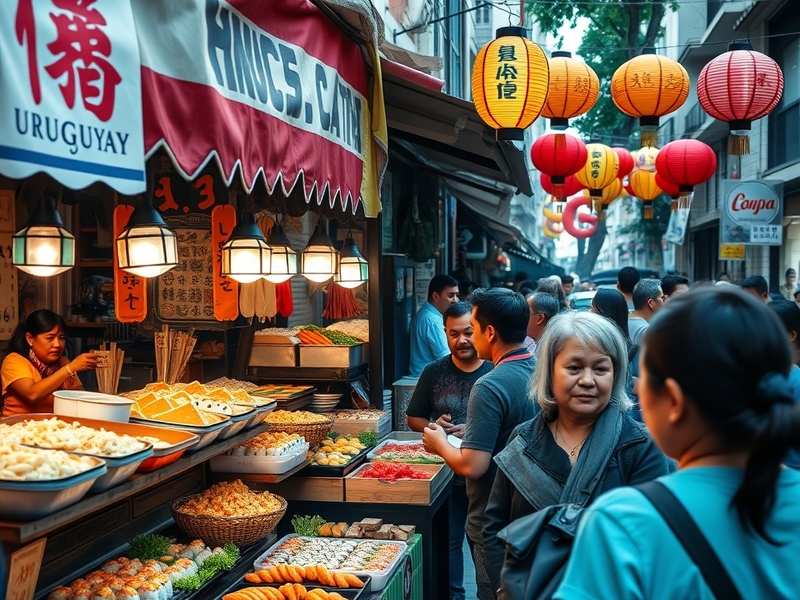
Overview of Japan and Uruguay: A Cultural and Economic Comparison
Japan and Uruguay, two nations located on opposite sides of the globe, offer fascinating contrasts in terms of culture, economy, and societal values. Japan, known for its technological advancements and rich history, stands in stark contrast to Uruguay, a smaller nation recognized for its progressive social policies and agricultural prowess. Understanding these differences not only highlights the unique aspects of each country but also showcases how they can learn from one another.
Cultural Insights: Traditions and Modernity
Japan’s culture is a blend of ancient traditions and modern influences. The country is famous for its traditional arts such as tea ceremonies, calligraphy, and flower arranging, alongside its contemporary pop culture, including anime and J-pop. Festivals like Hanami, which celebrates cherry blossom season, attract both locals and tourists, making it a vibrant part of Japan’s cultural identity.
In contrast, Uruguay’s culture is deeply influenced by its European roots, particularly from Spain and Italy. The country is known for its tango music and dance, as well as its unique culinary offerings such as asado (barbecue) and mate (a traditional drink). Uruguay also boasts a rich literary scene, with writers like Mario Benedetti gaining international acclaim.
- Japan:
- Traditional arts: tea ceremonies, calligraphy
- Modern pop culture: anime, J-pop
- Festivals: Hanami, Matsuri
- Uruguay:
- European influence: Spanish, Italian
- Music: tango
- Cuisine: asado, mate
Economic Landscape: Strengths and Challenges
Japan is the third-largest economy in the world, characterized by its advanced technology and manufacturing sectors. Major industries include automotive, electronics, and robotics. Despite its economic strength, Japan faces challenges such as an aging population and a declining birth rate, which put pressure on its workforce and social systems.
On the other hand, Uruguay, while much smaller in terms of economy, has shown remarkable resilience and growth. It is known for its strong agricultural sector, particularly in beef and soy production. Additionally, Uruguay has been recognized for its innovative policies in renewable energy, with over 95% of its electricity coming from renewable sources.
Political Systems and Social Policies
Japan operates under a constitutional monarchy, with a parliamentary system that emphasizes stability and continuity. The government is known for its efficiency, but there are criticisms regarding its lack of diversity and representation, particularly in leadership roles.
Uruguay, in contrast, has established itself as a progressive nation in South America. It was the first country in the world to legalize same-sex marriage in 2013 and has implemented comprehensive social welfare programs. The nation prioritizes education and healthcare, ensuring that citizens have access to essential services.
- Key Political Features of Japan:
- Constitutional monarchy
- Parliamentary system
- Efficient but criticized for lack of diversity
- Key Political Features of Uruguay:
- Progressive social policies
- Legalized same-sex marriage
- Strong focus on education and healthcare
Conclusion: Bridging Two Worlds
While Japan and Uruguay differ significantly in many aspects, their unique strengths provide opportunities for collaboration and exchange. Japan can learn from Uruguay’s social policies and commitment to sustainability, while Uruguay can benefit from Japan’s technological advancements. As globalization continues to connect nations, understanding and appreciating these differences will be crucial in fostering mutual respect and cooperation.
For more insights into global cultures and economies, visit our Culture and Business sections.