Understanding VR Glasses: A Technological Revolution
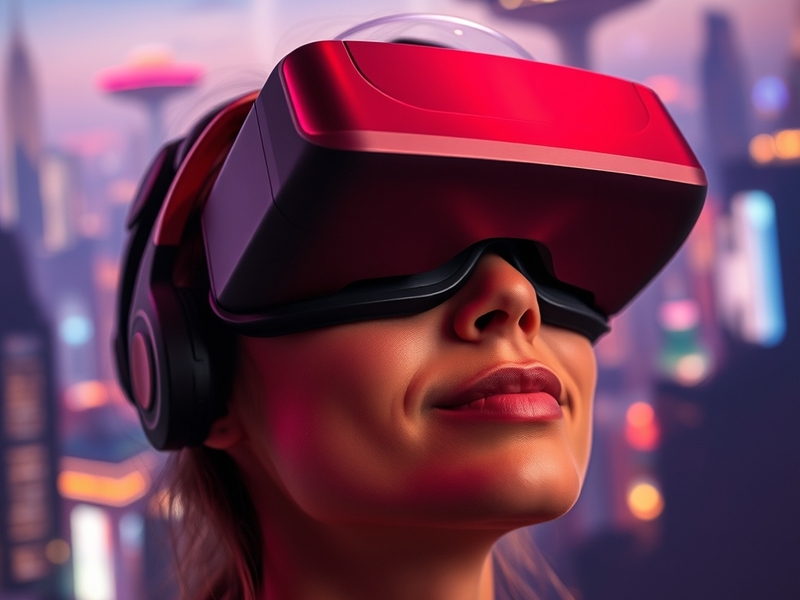
Virtual reality (VR) glasses have emerged as a transformative technology, reshaping how we interact with digital content. These devices allow users to immerse themselves in 3D environments, providing experiences that range from gaming to education and beyond. As the technology continues to develop, VR glasses are poised to have a significant impact on various sectors, including entertainment, training, and social interaction.
Key Features of VR Glasses
Modern VR glasses come equipped with a variety of features that enhance user experience. Here are some key points to consider:
- Immersive Experience: VR glasses create a sense of presence, allowing users to feel as if they are actually within the virtual environment.
- High-Resolution Displays: Advances in display technology have led to sharper images and more vibrant colors, making virtual worlds more lifelike.
- Motion Tracking: Many VR systems utilize sensors to track head and hand movements, enabling natural interactions within the virtual space.
- Wide Application Range: From gaming and entertainment to training simulations and virtual meetings, the possibilities are extensive.
- Wireless Connectivity: Newer models are increasingly wireless, reducing the hassle of cords and enhancing mobility.
Applications of VR Glasses Across Industries
The versatility of VR glasses allows them to be utilized across various fields. Here are some notable applications:
- Gaming: VR gaming offers an immersive experience that traditional gaming cannot match. Players can physically move and interact with their surroundings, creating a more engaging gameplay experience.
- Education: Educational institutions are adopting VR as a teaching tool. It allows students to explore historical sites, conduct virtual science experiments, or even practice surgery in a risk-free environment.
- Healthcare: VR is being used for therapy and rehabilitation. Patients can confront phobias in a controlled setting or engage in physical therapy exercises that feel more like a game than a chore.
- Virtual Meetings: As remote work becomes more common, VR glasses can facilitate virtual meetings that feel more personal and interactive than traditional video calls.
Challenges and Future Prospects
Despite the advantages, VR glasses face several challenges. The high cost of entry can be a barrier for many consumers. Additionally, some users experience motion sickness or discomfort during prolonged use. Addressing these issues is crucial for broader adoption.
Looking forward, the future of VR glasses appears promising. As technology advances, we can expect:
- Improved Affordability: As production processes become more efficient, prices are likely to decrease, making VR more accessible to the general public.
- Enhanced Comfort: Manufacturers are focusing on ergonomics to ensure users can wear VR glasses for longer periods without discomfort.
- Integration with AI: The incorporation of artificial intelligence could lead to smarter, more responsive virtual environments.
- Social Interaction: Future developments may enhance social experiences in virtual spaces, allowing users to interact with friends and family in innovative ways.
In conclusion, VR glasses represent a significant advancement in technology, offering immersive experiences that can enhance entertainment, education, and professional interactions. As challenges are addressed and technology progresses, the potential for VR glasses will likely expand, paving the way for a future where virtual reality becomes a staple in everyday life. For those interested in exploring more about the latest in technology, check out our Technology section.