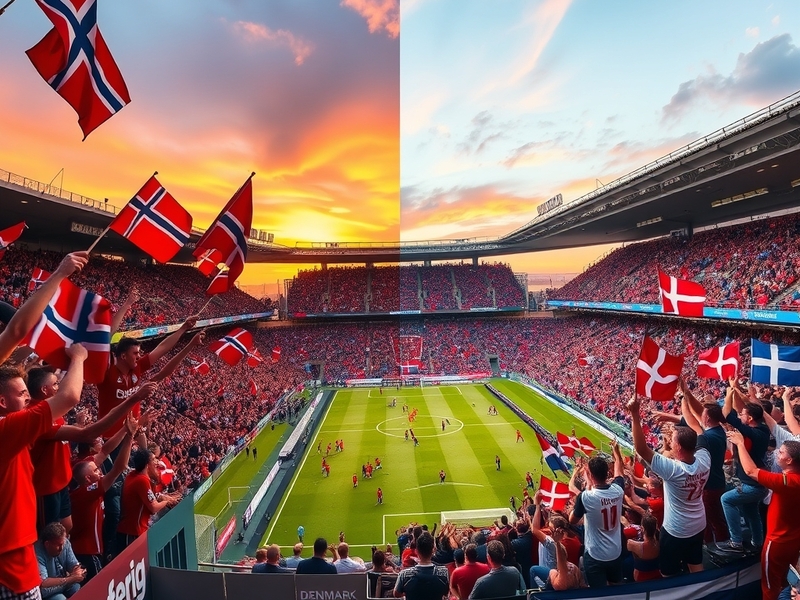
Geographical Overview
Norway and Denmark, two Scandinavian countries, share a rich history and cultural ties, but they also possess distinct characteristics that set them apart. Norway, known for its rugged landscapes and fjords, stretches along the western edge of the Scandinavian Peninsula. In contrast, Denmark is flatter and more urbanized, comprising the Jutland Peninsula and numerous islands, including Zealand, where its capital, Copenhagen, is located.
Historical Context
The historical narratives of Norway and Denmark are intertwined, especially during the Viking Age when both nations were prominent seafaring powers. The Kalmar Union, established in the late 14th century, united the crowns of Denmark, Norway, and Sweden under a single monarch. However, the union was short-lived, leading to centuries of rivalry and political maneuvering.
By the early 19th century, Denmark had ceded Norway to Sweden after the Napoleonic Wars. This event marked a significant turn in their histories, fostering a sense of national identity in Norway that would culminate in its independence in 1905. Today, both nations celebrate their Viking heritage, but they do so through distinct cultural lenses.
Culture and Society
When it comes to cultural expressions, Norway and Denmark exhibit unique traits. Norway is often associated with its natural beauty, which influences its art, literature, and music. The Norwegian culture emphasizes outdoor activities, with a strong connection to nature. Traditional folk music and the famous Norwegian stave churches highlight its rich heritage.
Denmark, on the other hand, is recognized for its design, architecture, and culinary innovations. The concept of “hygge,” which embodies coziness and contentment, plays a significant role in Danish culture. The country is also home to world-renowned restaurants and a vibrant contemporary art scene.
- Norway: Known for its breathtaking fjords and outdoor activities.
- Denmark: Celebrated for its design, architecture, and the concept of hygge.
- Shared Heritage: Both countries have a rich Viking history that continues to influence their cultural identities.
Economics and Lifestyle
Economically, Norway and Denmark exhibit different strengths. Norway’s economy relies heavily on natural resources, particularly oil and gas. The country boasts one of the highest GDP per capita figures in the world, driven by its wealth from the North Sea. This economic prosperity allows for a robust welfare system, contributing to a high quality of life for its citizens.
Denmark’s economy, while also strong, leans more towards manufacturing and services. The nation is known for its innovative approach to business and sustainability, often ranking high in global happiness and quality of life indices. The Danish welfare model, characterized by high taxes and comprehensive social services, fosters equality and support for its citizens.
Conclusion
In summary, Norway and Denmark, while sharing a common historical background, present contrasting landscapes, cultural identities, and economic structures. Norway’s majestic natural scenery and strong reliance on natural resources stand in stark contrast to Denmark’s urban charm and innovative spirit. Both countries continue to thrive, each contributing uniquely to the Scandinavian region and the world at large. For those interested in exploring more about these fascinating nations, check out our travel guides on Travel and Culture.