Understanding the Role of Pedestrians in Urban Spaces
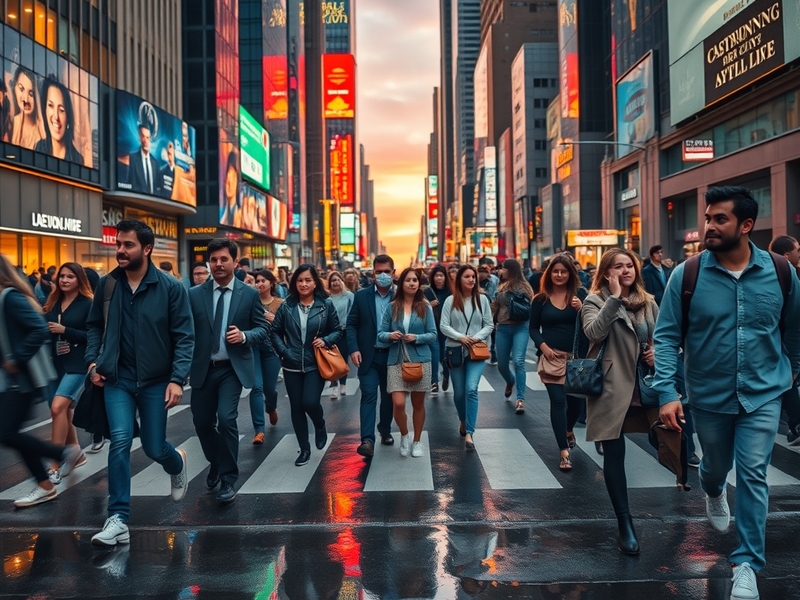
Pedestrians are a fundamental aspect of urban life, playing a crucial role in the dynamics of city environments. They are not just individuals walking from one place to another; they are integral to the social fabric and economic vitality of urban areas. The movement and behavior of pedestrians can influence traffic patterns, local businesses, and community interactions.
Cultural Perspectives on Walking
Walking is a universal activity, yet its significance varies widely across different cultures. In some regions, walking is a primary mode of transportation, while in others, it is often overlooked in favor of vehicles. For instance, cities like Amsterdam and Copenhagen prioritize pedestrian-friendly infrastructure, encouraging walking as a sustainable and healthy option.
In contrast, sprawling cities such as Los Angeles are designed around car culture, making walking less practical and sometimes unsafe. This cultural divide highlights the varying values placed on pedestrianism in different societies, impacting urban planning and public policy.
The Benefits of Pedestrian-Friendly Cities
Creating pedestrian-friendly environments can lead to numerous benefits, including:
- Health Improvements: Walking promotes physical health by encouraging regular exercise, which can reduce obesity rates and related diseases.
- Environmental Impact: Increased pedestrian traffic can lower carbon emissions, as fewer people rely on cars for short trips.
- Economic Growth: Businesses benefit from increased foot traffic, as pedestrians are more likely to stop at shops and cafes than drivers.
- Social Interaction: Walkable spaces foster community engagement and connections among residents, enhancing the overall quality of life.
Challenges Faced by Pedestrians
Despite the benefits, pedestrians face numerous challenges, especially in cities that do not prioritize walkability. Issues such as inadequate sidewalks, poor lighting, and a lack of crosswalks can make walking unsafe. Furthermore, the rise of ride-sharing services and increased vehicle traffic can create a hostile environment for pedestrians.
In many developing countries, the situation is even more dire, with limited infrastructure and resources dedicated to pedestrian safety. Urban planners must consider these challenges and work towards creating inclusive environments that accommodate all forms of transportation, including walking.
To address these issues, cities worldwide are adopting various strategies, such as:
- Implementing traffic calming measures like speed bumps and roundabouts to slow down vehicular traffic.
- Enhancing public transportation options to reduce reliance on cars.
- Creating pedestrian-only zones in busy commercial areas to encourage foot traffic.
- Investing in better lighting and signage to ensure safety at night.
Conclusion
The role of pedestrians in urban environments cannot be overstated. As cities continue to evolve, the focus on walkability will be vital for sustainable development. By prioritizing pedestrian needs, urban planners can create healthier, more vibrant communities. This not only benefits individuals but also enhances the overall economic and social fabric of cities. As we move forward, fostering pedestrian-friendly environments will be essential in shaping the future of urban living.