Understanding Slipknot: A Unique Musical Force
Slipknot, formed in 1995 in Des Moines, Iowa, is a band that has continually pushed the boundaries of metal music. Known for their aggressive sound, elaborate masks, and chaotic live performances, they have carved out a distinctive niche in the music industry. The band’s lineup features nine members, each contributing to their complex sound and theatrical stage presence.
The Evolution of Slipknot’s Music
From their self-titled debut album released in 1999, Slipknot has evolved significantly. Each album showcases a different aspect of their artistry, reflecting the band’s growth and the changing landscape of heavy music. Their second album, “Iowa,” is often cited as a high point, characterized by its brutal intensity and emotional depth.
Subsequent albums like “Vol. 3: (The Subliminal Verses)” and “.5: The Gray Chapter” introduced melodic elements and more intricate songwriting. This evolution is not merely a shift in sound but also a reflection of the personal struggles faced by band members, particularly the loss of bassist Paul Gray and the challenges that followed.
- Self-Titled Album (1999) – Introduction of their aggressive style.
- Iowa (2001) – A darker, more intense sound.
- Vol. 3: (The Subliminal Verses) (2004) – A blend of melody and heaviness.
- .5: The Gray Chapter (2014) – A tribute to lost members and a new beginning.
The Impact of Slipknot’s Stage Presence
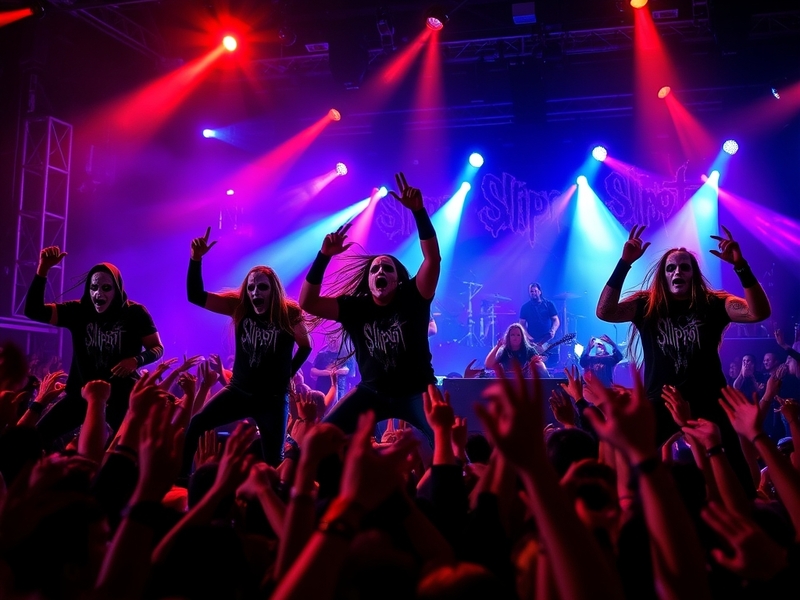
Slipknot is not just about the music; their live performances are legendary. The band members, clad in unique masks and uniforms, create a visually striking experience that enhances their music. Each performance is an event, filled with energy and chaos that captivates audiences worldwide.
The masks worn by the band are not just for show; they symbolize the individual identities of each member and their collective ethos. The anonymity allows for a deeper connection with fans, as it emphasizes the music over the personalities. This approach has fostered a strong community among fans, often referred to as “Maggots.”
Exploring the Themes in Slipknot’s Lyrics
Slipknot’s lyrics often delve into themes of pain, anger, and personal struggle. They provide a raw and unfiltered look at the human experience, resonating with listeners who find solace in their words. Songs like “Duality” and “Psychosocial” explore inner turmoil, while others address societal issues and personal loss.
Through their music, Slipknot has opened up dialogues about mental health and the importance of expressing emotions. They have become a voice for those who feel marginalized, using their platform to connect with fans on a deeper level.
Slipknot’s Cultural Significance
Slipknot’s influence extends beyond music; they have become a significant part of pop culture. Their unique style and approach to performance have inspired countless artists across various genres. Moreover, their presence in the metal scene has helped to bring the genre to a broader audience.
As they continue to release new music and tour, Slipknot remains a vital force in the industry. They have shown that authenticity and passion can create a lasting impact, making their mark on both fans and fellow musicians alike.
For those interested in exploring more about the music scene, check out our music category for in-depth articles and insights. Alternatively, visit our culture section to discover how music intersects with various cultural movements.
In conclusion, Slipknot is a band that has transcended traditional metal boundaries. Their commitment to their craft, coupled with their ability to connect with fans, has solidified their place in music history. With each album and performance, they continue to redefine what it means to be a metal band, ensuring their legacy endures for years to come.