The Evolution of the McDonald’s Drive-Thru Experience
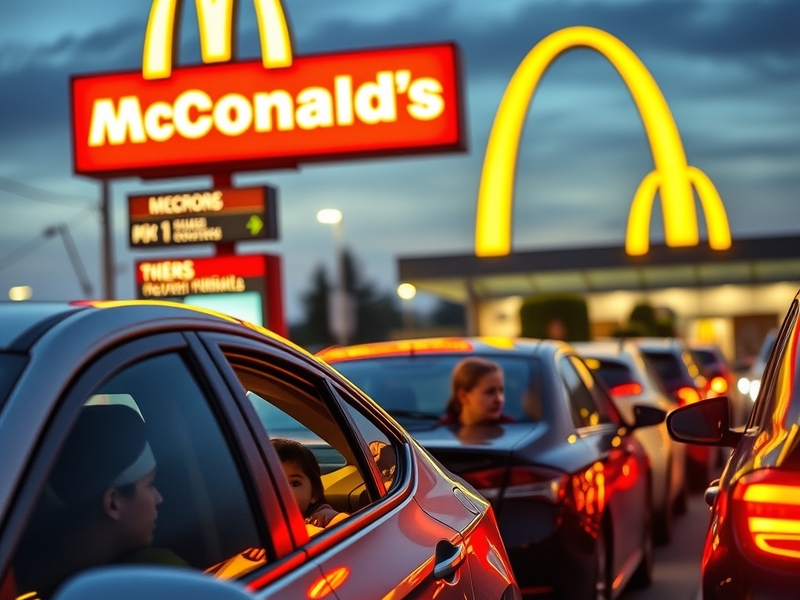
Since its inception in the 1970s, the McDonald’s drive-thru has revolutionized the fast food industry. This convenient service allows customers to order and receive their meals without leaving their vehicles, catering to the fast-paced lifestyles of modern society. As the world becomes increasingly mobile, the drive-thru continues to adapt, offering not just food, but a glimpse into cultural shifts across various countries.
Global Variations in Drive-Thru Culture
The concept of the drive-thru is not universally the same. Different regions have embraced it in unique ways, influenced by local customs and consumer behavior. In the United States, the drive-thru is a staple of convenience and speed. It serves as a quick solution for busy families and individuals on the go. Meanwhile, in countries like Japan, the drive-thru experience often incorporates technological advancements, such as touch-screen ordering systems and even robot servers to take orders.
In contrast, European countries tend to focus on sustainability and quality, which can affect how the drive-thru operates. Many locations prioritize locally sourced ingredients and eco-friendly packaging, reflecting a cultural emphasis on environmental responsibility.
Key Features of McDonald’s Drive-Thru
Several components contribute to the success of McDonald’s drive-thru. These features enhance customer experience and streamline operations:
- Speed of Service: Quick order processing is essential. McDonald’s consistently aims to reduce wait times to keep customers satisfied.
- Menu Innovation: Seasonal and regional menu items cater to local tastes, ensuring that customers have a variety of options.
- Order Accuracy: Advanced technology, including digital displays and order confirmation screens, helps minimize errors.
- Payment Flexibility: The ability to pay via mobile apps or contactless methods has made transactions smoother and quicker.
The Future of Drive-Thrus
As we look ahead, the McDonald’s drive-thru is poised for further innovation. With the rise of autonomous vehicles and advancements in artificial intelligence, the future could see completely automated drive-thrus that require little to no human interaction. This shift could potentially enhance efficiency but also raises questions about employment in the fast food sector.
Moreover, the integration of mobile ordering apps is changing the way customers interact with the drive-thru. By allowing users to place orders ahead of time, McDonald’s is not only speeding up the process but also offering a more personalized experience. Customers can customize their meals with ease and avoid the rush during peak hours.
In conclusion, the McDonald’s drive-thru is more than just a service; it is a reflection of evolving societal norms and technological advancements. As it continues to adapt to consumer needs and preferences around the globe, it remains a vital part of the fast food experience. Understanding these dynamics can provide valuable insights into broader trends in the food industry and consumer behavior.