The Evolution of WWE Wrestlers
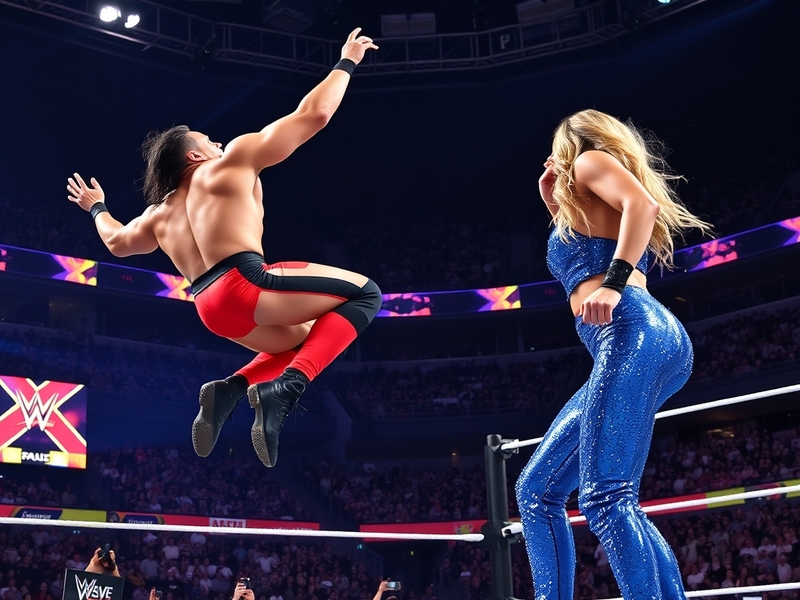
World Wrestling Entertainment (WWE) has been a staple of sports entertainment for decades. The wrestlers, often referred to as Superstars, play a pivotal role in this phenomenon. Over the years, the industry has seen a transformation in the types of characters portrayed, the athleticism displayed, and the connection with the audience.
Initially, wrestlers were characterized by larger-than-life personas, often embodying archetypes like the hero or the villain. As the years progressed, there was a shift towards more nuanced characters. Wrestlers began to reflect real-world issues, personal struggles, and complex motivations. This evolution has made the sport more relatable and engaging for fans.
Key Attributes of Successful WWE Wrestlers
WWE Superstars are not only athletes; they are entertainers who must master a variety of skills. Here are some of the key attributes that contribute to their success:
- Athleticism: Wrestlers must possess exceptional physical abilities, including strength, agility, and endurance.
- Charisma: A wrestler’s ability to connect with the audience is crucial. Charismatic performers can elevate their status and draw larger crowds.
- Mic Skills: The ability to deliver compelling promos is vital. Wrestlers who can speak well often enhance their storylines and engage fans.
- In-Ring Skills: Mastery of wrestling techniques and the ability to tell a story through matches is essential for captivating the audience.
- Adaptability: The wrestling industry is ever-changing. Successful wrestlers must adapt to new styles, storylines, and audience expectations.
The Impact of Social Media on WWE Wrestlers
In recent years, social media has transformed the way WWE wrestlers interact with their fans. Platforms like Twitter, Instagram, and TikTok allow Superstars to share their lives beyond the ring. This direct connection fosters a sense of community and loyalty among fans.
Moreover, social media serves as a powerful marketing tool for wrestlers. They can promote their matches, merchandise, and appearances directly to their audience. This not only enhances their brand but also allows fans to engage with them on a personal level.
However, this accessibility comes with challenges. Wrestlers often find themselves under public scrutiny, and any misstep can lead to backlash. The pressure to maintain a positive online presence can be overwhelming, yet it is a necessary part of modern wrestling.
The Future of WWE Wrestlers
Looking ahead, the future of WWE wrestlers appears promising yet complex. With the rise of diverse talent in the industry, fans are witnessing a broader representation of characters and storylines. This inclusivity is likely to continue, appealing to a wider audience and promoting engagement across different demographics.
Additionally, advancements in technology, such as virtual reality and augmented reality, may change the way fans experience wrestling. Wrestlers might use these technologies to enhance their performances and connect with fans in innovative ways. The possibilities are vast, and the industry is poised for exciting developments.
In conclusion, WWE wrestlers are more than just athletes; they are multifaceted entertainers who navigate a complex landscape. Their evolution has mirrored societal changes, and as they continue to adapt, the impact on fans and the industry will be profound. The future holds great potential for both wrestlers and their audience, promising an exciting journey ahead.