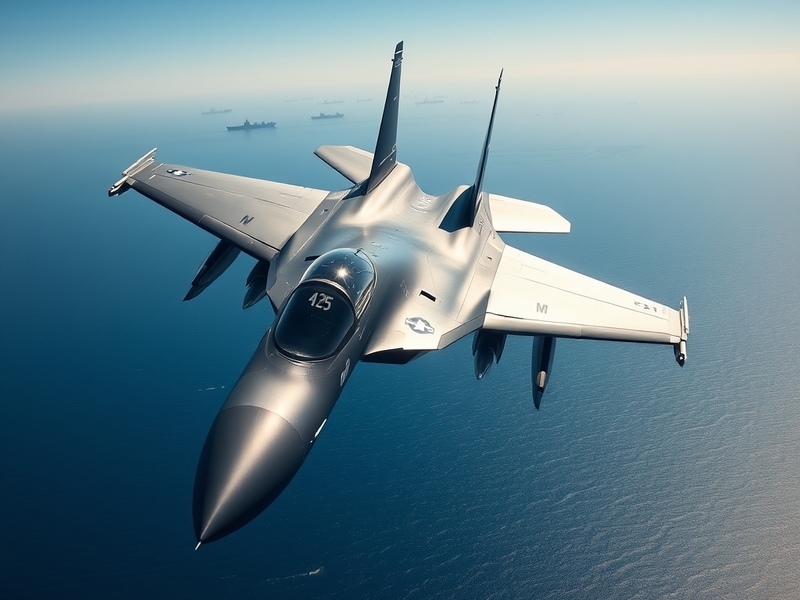
Understanding Navy Fighters: A Global Perspective
Navy fighters represent a crucial component of modern naval aviation, designed to protect naval fleets and project power from the sea. These aircraft have evolved significantly since their inception, adapting to new technologies and changing warfare strategies. Countries around the globe have developed their own versions of navy fighters, each reflecting their unique military needs and technological capabilities.
The Evolution of Navy Fighters
The history of navy fighters dates back to the early 20th century when aircraft began to be deployed from ships. The initial models were rudimentary and limited in capability. However, as aerial combat became more sophisticated, so too did the design and functionality of navy fighters.
Key advancements have included:
- Jet Propulsion: The transition from propeller-driven aircraft to jet engines dramatically increased speed and maneuverability.
- Stealth Technology: Modern fighters are designed to evade radar detection, making them less vulnerable during missions.
- Advanced Avionics: The integration of sophisticated navigation and targeting systems has enhanced operational effectiveness.
These advancements not only improve the performance of navy fighters but also broaden their operational scope, allowing them to engage in various missions ranging from air superiority to ground attack and reconnaissance.
Global Examples of Navy Fighters
Several nations have made significant investments in the development of their navy fighter capabilities. Here are a few notable examples:
- United States: The F/A-18 Super Hornet is a versatile aircraft that serves as the backbone of the U.S. Navy’s carrier-based air wings. Its dual-role capabilities allow it to perform both fighter and attack missions effectively.
- Russia: The Su-33 is a naval fighter designed for carrier operations. It features advanced avionics and can engage in both air-to-air and air-to-ground combat.
- China: The J-15, often referred to as the “Flying Shark,” is China’s first carrier-based fighter. It reflects China’s growing ambitions in naval aviation and its desire to project power in the Asia-Pacific region.
These examples illustrate how different countries prioritize their military aviation strategies based on geographic and strategic considerations. The technological arms race in naval aviation continues, with nations striving to outdo each other in capabilities and innovations.
The Cultural Significance of Navy Fighters
Navy fighters are not only military assets but also symbols of national pride and technological prowess. They often feature prominently in air shows, military parades, and recruitment campaigns. The portrayal of navy fighters in popular culture, from films to video games, further cements their status as icons of strength and heroism.
In many countries, navy fighters evoke a sense of security and national identity. For instance, in the United States, the F-14 Tomcat gained fame through the movie “Top Gun,” influencing public perception and interest in naval aviation. Similarly, other nations leverage their navy fighters as part of their defense narratives, showcasing them as technologically advanced forces capable of safeguarding sovereignty.
As nations continue to develop and deploy advanced navy fighters, the cultural implications of these aircraft will persist. They serve not only as tools of war but also as representations of national strength and technological achievement. For those interested in military aviation, understanding the significance of these fighters is essential.
Conclusion
Navy fighters play an indispensable role in modern military strategy, evolving with advancements in technology and changing geopolitical landscapes. From the early days of aviation to the sophisticated jets of today, their development reflects broader trends in warfare and national identity. As nations invest in their naval capabilities, the importance of navy fighters is likely to grow, shaping the future of military aviation and international relations.
For more insights on military technology and sports, visit our Sports category.