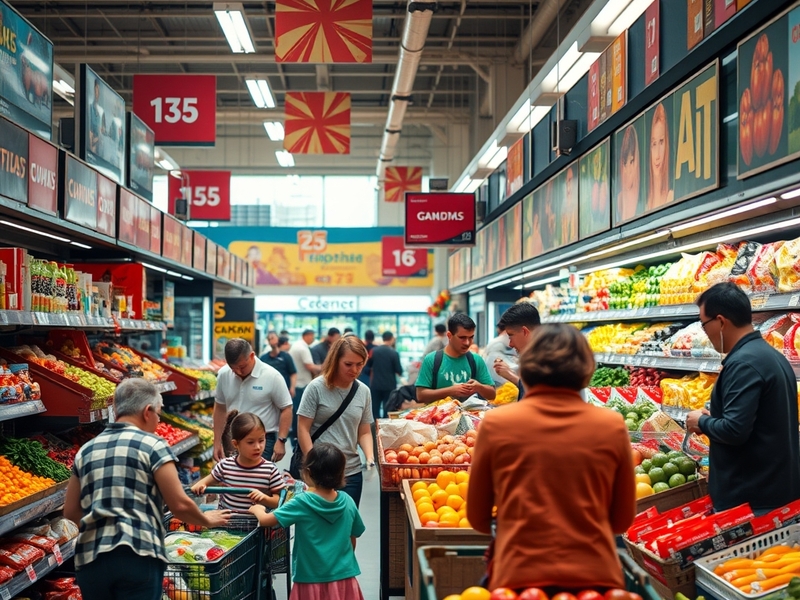
The Role of Supermarkets in Modern Society
Supermarkets have evolved significantly since their inception, serving as more than just a place to buy groceries. They are now central hubs in communities, offering a variety of products and services that cater to the diverse needs of consumers. The modern supermarket provides a one-stop shopping experience, combining convenience with a wide selection of goods. This article explores the multifaceted role of supermarkets, their impact on local economies, and the changes they are undergoing in response to current trends.
Economic Impact of Supermarkets
Supermarkets contribute significantly to local and national economies. They generate jobs, stimulate local business, and offer consumers competitive pricing. The economic implications extend further when considering the following key points:
- Job Creation: Supermarkets employ thousands of individuals, from cashiers to management positions, providing essential income to many households.
- Support for Local Producers: Many supermarkets source products from local farms and businesses, promoting regional agriculture and reducing transportation costs.
- Consumer Savings: By leveraging bulk purchasing and competition, supermarkets can offer lower prices than smaller retailers, making food more affordable.
These factors illustrate how supermarkets can help sustain local economies while also meeting consumer demand. However, the dominance of large chains can pose challenges to small businesses, which often struggle to compete with the scale and pricing power of supermarkets.
Shifts in Consumer Behavior
In recent years, consumer behavior has shifted dramatically, influenced by various factors such as technology and changing lifestyles. Online shopping options have become increasingly popular, leading to the rise of grocery delivery services and curbside pickups. Supermarkets are adapting by enhancing their digital presence and integrating technology into their operations.
Some notable trends include:
- Increased Demand for Fresh Produce: Health-conscious consumers are prioritizing fresh, organic options, prompting supermarkets to expand their produce sections.
- Sustainability Efforts: Many supermarkets are now emphasizing sustainable practices, such as reducing plastic use and sourcing ethically produced goods.
- Technological Innovations: From self-checkout kiosks to mobile apps that streamline shopping, technology is reshaping the supermarket experience.
These shifts not only reflect changing consumer preferences but also highlight the supermarkets’ role in promoting healthier lifestyles and environmental responsibility.
The Future of Supermarkets
The future of supermarkets appears to be a blend of traditional shopping experiences and innovative technology. As they evolve, several potential developments may shape their trajectory:
- Enhanced Online Shopping: Continued investment in e-commerce capabilities will likely be a priority, allowing supermarkets to compete effectively with online retailers.
- Personalized Shopping Experiences: By utilizing data analytics, supermarkets can offer personalized promotions and product recommendations tailored to individual consumers.
- Community Engagement: Supermarkets may increasingly focus on building relationships with local communities, offering events, educational workshops, and supporting local causes.
These trends suggest that supermarkets will continue to adapt and thrive, addressing the needs of consumers while responding to broader societal changes.
Conclusion
Supermarkets play a pivotal role in the fabric of modern life, influencing economic, social, and environmental aspects of communities. As they navigate the challenges posed by shifting consumer behaviors and technological advancements, their ability to innovate will determine their success. By embracing sustainability, enhancing customer experiences, and supporting local economies, supermarkets can remain relevant and continue to serve as essential community resources.