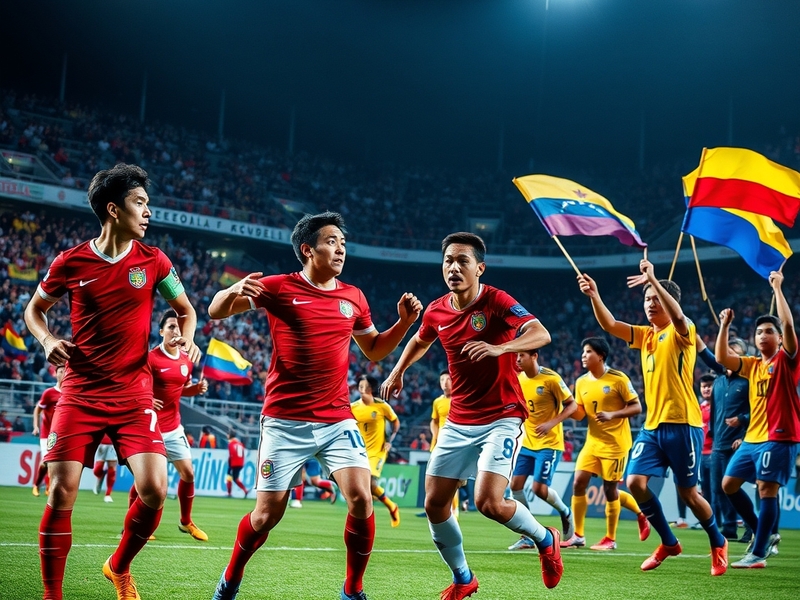
Comparative Overview of South Korea and Venezuela
South Korea and Venezuela present a fascinating contrast in terms of economic development, political stability, and cultural influences. While South Korea has emerged as a technological powerhouse with a robust economy, Venezuela has faced significant challenges, including economic collapse and political turmoil. This article explores various aspects of both countries, shedding light on their unique circumstances.
Economic Landscape
South Korea boasts one of the largest economies in Asia, characterized by its advanced technology sector and strong exports. Companies like Samsung and Hyundai have made global impacts, driving innovation and growth. In contrast, Venezuela’s economy has been plagued by hyperinflation, falling oil prices, and mismanagement. The reliance on oil exports has left the country vulnerable to fluctuations in global markets.
Key economic indicators reveal the stark differences:
- GDP Growth Rate: South Korea’s GDP growth has been stable, averaging around 2-3% annually, while Venezuela has experienced negative growth for several years.
- Inflation Rate: South Korea maintains a low inflation rate, whereas Venezuela’s inflation has reached astronomical levels, leading to severe shortages of basic goods.
- Unemployment Rate: South Korea enjoys a low unemployment rate, while Venezuela struggles with high unemployment and underemployment.
Political Climate
The political environment in South Korea is marked by a democratic system that allows for free elections and active civil participation. The country has seen significant political reforms and a vibrant civil society that engages in various social issues. On the other hand, Venezuela’s political landscape is fraught with challenges, including authoritarian rule and widespread protests against the government.
In recent years, Venezuela has been characterized by:
- Government Control: The government has consolidated power, limiting freedoms and stifling dissent.
- Humanitarian Crisis: Millions have fled the country due to food shortages, lack of medical supplies, and violence.
- International Relations: Venezuela’s relations with other nations have soured, leading to sanctions and isolation.
Cultural Influences
South Korea’s culture has gained global recognition through K-pop, film, and television. The “Korean Wave” has brought a surge of interest in South Korean music and drama, influencing trends worldwide. Additionally, South Korean cuisine has captured attention, with dishes like kimchi and bibimbap becoming increasingly popular.
Conversely, Venezuela’s rich cultural heritage is reflected in its music, literature, and art. The country is known for its vibrant festivals and traditional dances. However, the ongoing crisis has overshadowed these cultural elements, as many Venezuelans seek refuge abroad, taking their culture with them.
Conclusion
The differences between South Korea and Venezuela are stark, highlighting the impact of governance, economic policies, and cultural exportation. South Korea serves as a model of resilience and growth, while Venezuela’s challenges illustrate the consequences of political mismanagement and economic dependency. Understanding these dynamics not only sheds light on the individual countries but also on the broader implications for global politics and economics.