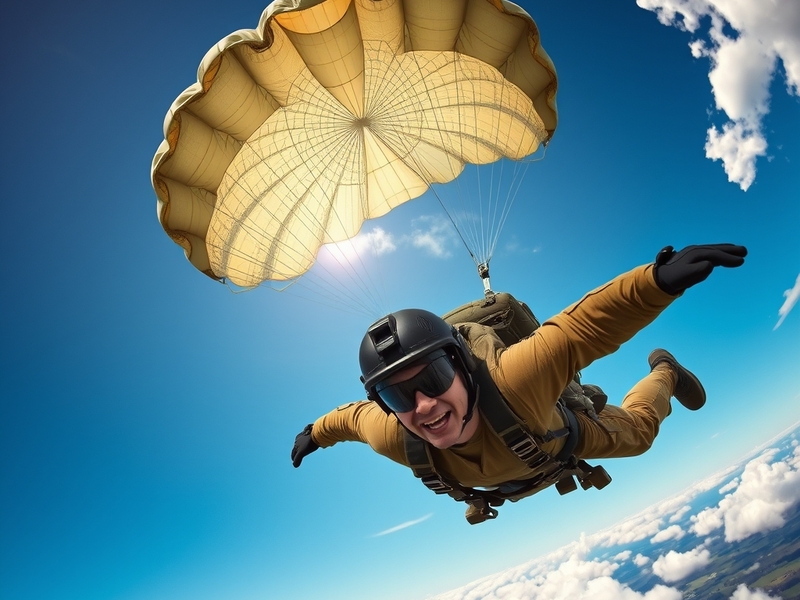
Understanding the Role of Paratroopers
Paratroopers are elite soldiers trained to parachute into combat zones. Their primary mission is to conduct operations behind enemy lines, providing support to ground troops and executing strategic objectives. The unique capabilities of paratroopers make them a vital asset in modern warfare.
The history of paratroopers dates back to World War II, where they were first utilized for large-scale airborne assaults. Today, they are integral to military operations across the globe, showcasing skills in aerial insertion, combat, and survival. Their training is rigorous, ensuring they are prepared for the challenges they will face in the field.
Training and Skills
To become a paratrooper, candidates must undergo extensive training that includes physical conditioning, parachute jumps, and tactical exercises. The training process typically consists of the following stages:
- Basic Training: All candidates start with basic military training, where they learn fundamental soldiering skills.
- Airborne School: This is where soldiers learn how to jump from aircraft and land safely. It includes ground training, tower training, and actual jumps.
- Advanced Tactical Training: After airborne school, paratroopers receive specialized training in tactics, weapons handling, and survival skills.
The physical demands of paratrooper training are significant. Candidates must possess not only strength and endurance but also mental resilience. The ability to adapt to high-pressure situations is crucial, as paratroopers often operate in hostile environments.
Operational Use of Paratroopers
Paratroopers are deployed in various scenarios, including direct combat, reconnaissance missions, and humanitarian assistance. Their ability to deploy quickly and operate independently makes them a valuable resource for military leadership. Some key operational roles include:
- Assault Operations: Paratroopers can seize critical objectives and disrupt enemy forces.
- Reconnaissance: They gather intelligence on enemy positions and movements.
- Support Missions: Paratroopers often assist in logistics and medical evacuations.
One notable operation involving paratroopers was the D-Day invasion during World War II. Thousands of paratroopers dropped into Normandy to secure key locations, paving the way for the Allied forces. This operation highlighted their importance in large-scale military strategies.
The Future of Paratrooper Operations
As warfare evolves, so too does the role of paratroopers. Advancements in technology, such as improved parachute systems and drones, are changing how airborne operations are conducted. Future paratroopers may rely more on technology for navigation and reconnaissance, enhancing their effectiveness on the battlefield.
Additionally, the integration of joint operations with other military branches is becoming more prevalent. Paratroopers may find themselves working alongside Navy SEALs or Special Forces, utilizing combined skills for more complex missions. This collaboration can lead to more dynamic strategies and improved outcomes in operational success.
In conclusion, paratroopers play a crucial role in military operations, leveraging their unique training and skills to execute high-stakes missions. As they adapt to new technologies and operational requirements, the importance of their role will only continue to grow. The legacy of paratroopers is one of bravery and innovation, setting a standard for future generations of soldiers.