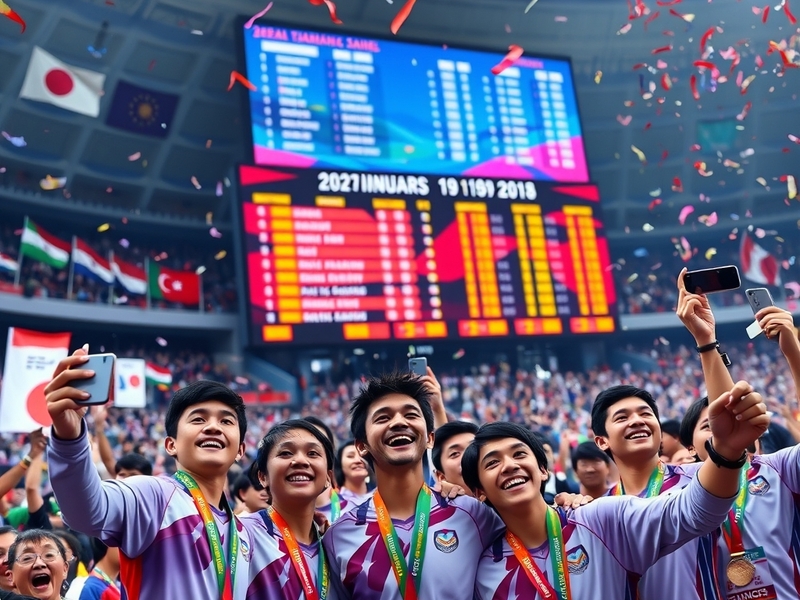
Overview of the Asian Games 2026
The Asian Games, a prominent multi-sport event held every four years, will take center stage in 2026. Scheduled to take place in Nagoya, Japan, this edition promises to be a vibrant showcase of athletic talent from across the continent. Anticipation is building as countries prepare their teams to compete for glory, medals, and national pride. With the event rapidly approaching, discussions about medal tallies and potential winners are heating up.
Medal Tally Predictions
Medal tallies at the Asian Games often reflect not only the strength of individual athletes but also the broader investment in sports development by nations. Countries such as China, Japan, and South Korea have historically dominated the medal standings. However, emerging nations like India and Indonesia are becoming formidable competitors.
As we look ahead to the 2026 Games, several key factors will influence the medal tally:
- Investment in Sports: Countries that invest significantly in athlete training and infrastructure usually see better results.
- Home Ground Advantage: Hosting the event can boost performance due to familiarity with conditions and local support.
- Emerging Sports: The inclusion of new sports can change the dynamics of medal distribution.
- Team Composition: The strength and experience of each nation’s team will be crucial.
Historical Context of Medal Tally
To understand the potential outcomes for the 2026 Asian Games, it’s essential to review past medal tallies. In the previous edition, held in 2018, China topped the standings, followed closely by Japan and South Korea. This pattern has been consistent over the years, with these countries often leading the charge.
However, the rise of nations like India, which has made significant strides in sports like wrestling and badminton, indicates a shift in the competitive landscape. The 2026 Games may witness these emerging powers challenging the traditional dominance of the top three.
Broader Implications for Asian Sports
The implications of the Asian Games extend beyond mere medal counts. They serve as a platform for nations to showcase their sports culture and foster unity. The event also influences sports policies and funding at home, often leading to increased interest and investment in various disciplines.
Moreover, the competition can have a ripple effect on international sports by:
- Enhancing Visibility: Athletes gain exposure, which can lead to sponsorship opportunities and professional contracts.
- Encouraging Participation: Success at such events can inspire younger generations to take up sports.
- Promoting Regional Cooperation: The Games foster camaraderie among participating countries, strengthening regional ties.
As nations prepare their athletes for competition, the focus on training and performance optimization is paramount. Coaches and sports scientists are working tirelessly to enhance the capabilities of their teams, ensuring they are in peak condition for the Games.
Conclusion
The Asian Games 2026 in Nagoya, Japan, promises to be an exciting chapter in the history of sports in Asia. As countries prepare for competition, the discussions around the medal tally will intensify. The outcomes will not only reflect athletic prowess but will also illustrate the investments made in sports development across the continent.
As the event approaches, fans and analysts alike will be keenly watching to see how the predictions unfold and which nations will rise to the challenge. The 2026 Games could mark a significant shift in the power dynamics of Asian sports, paving the way for new champions and unforgettable moments.