Understanding the Collision: Central Park Cyclist and Dog Incident
Recently, a troubling incident occurred in Central Park when a cyclist collided with a dog, leading to significant injuries for both the animal and the rider. This event has sparked conversations about safety in shared spaces, the responsibilities of pet owners, and the rules governing cyclists in popular urban parks. As more people utilize these green spaces for recreation, understanding the implications of such accidents becomes increasingly important.
The Incident: What Happened
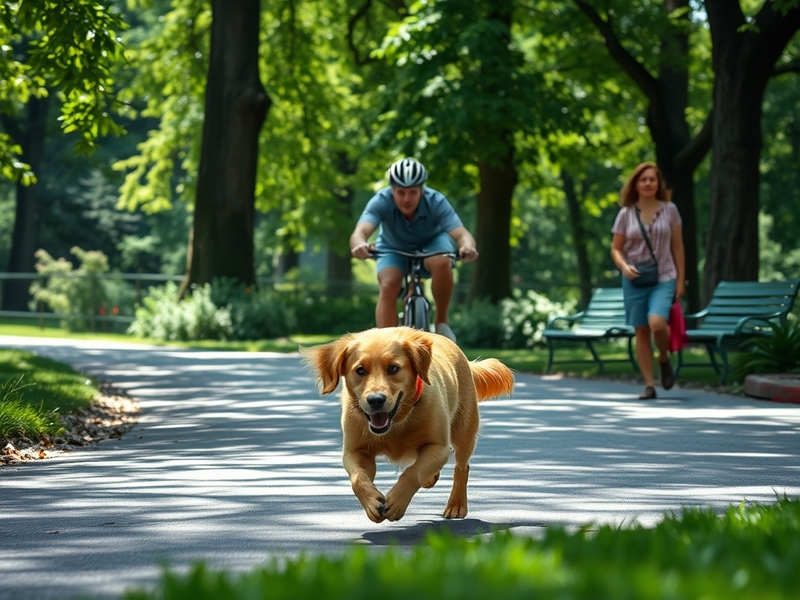
On a sunny afternoon, a cyclist was riding along one of Central Park’s many paths when the dog, reportedly off-leash, suddenly darted into the cyclist’s path. The rider attempted to swerve but was unable to avoid a collision, resulting in both the cyclist and the dog sustaining injuries. Emergency services were called to the scene, and both parties were taken to the hospital for treatment.
This incident raises critical questions regarding park regulations and the behavior of both cyclists and pet owners. Central Park, while a haven for outdoor activities, can become chaotic with pedestrians, cyclists, and pets sharing the same space. Understanding the rules and etiquette of park usage is vital for ensuring safety.
Key Points to Consider
- Leash laws: Many parks require dogs to be on a leash, especially in high-traffic areas.
- Cyclist responsibilities: Riders must be aware of their surroundings and ride defensively.
- Park design: The layout of paths may contribute to accidents if not designed with safety in mind.
- Public awareness: Education about shared space etiquette is essential for all park users.
Broader Implications for Urban Parks
The collision in Central Park reflects a larger issue facing urban parks worldwide. As cities become denser and more people seek outdoor activities, the need for clear regulations and awareness increases. Cities are often designed with limited space, which can lead to conflicts between different user groups, including cyclists, pedestrians, and dog owners.
Moreover, the rise in cycling as a popular mode of transport and recreation means that park authorities must reevaluate how paths are shared. This incident serves as a reminder that while parks are meant for enjoyment and relaxation, they also require a mutual respect for the rules that govern their use.
Moving Forward: Solutions and Recommendations
To prevent future incidents like the Central Park collision, several steps can be taken:
- Implement clearer signage: Parks should have visible signs indicating leash laws and cyclist speed limits.
- Increase education campaigns: Informing park users about shared space etiquette can foster a safer environment.
- Designate specific areas: Creating separate paths for cyclists and pedestrians may reduce the risk of accidents.
- Encourage responsible pet ownership: Pet owners should be reminded of their responsibilities in public spaces, including keeping dogs leashed.
By taking these actions, cities can work towards making parks safer and more enjoyable for everyone, ensuring that such incidents become a rarity rather than a common occurrence.
In conclusion, the cyclist-dog collision in Central Park serves as a wake-up call for urban park management and users alike. With increasing foot and bike traffic, it is essential to prioritize safety and respect for all park-goers. Through awareness, education, and thoughtful design, we can create a harmonious environment where everyone can enjoy the beauty and tranquility of urban parks.