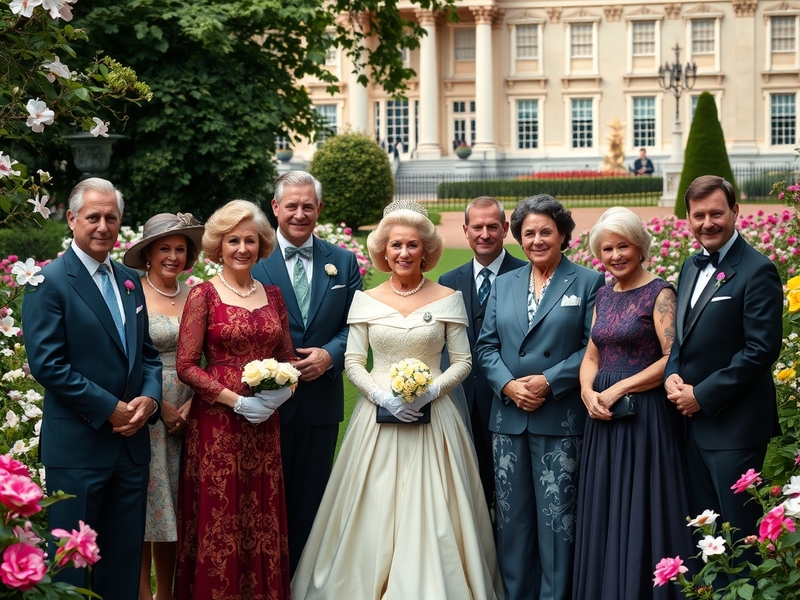
The British Royal Family: A Historical Overview
The British Royal Family has long been a symbol of tradition and continuity in the United Kingdom. Its roots can be traced back over a thousand years, with the monarchy evolving through various historical phases. The current family, led by King Charles III, continues to play a significant role in British society, embodying both historical significance and modern relevance.
The monarchy has seen its share of challenges and transformations, from the tumultuous reign of King Henry VIII to the more recent events surrounding Princess Diana’s tragic death. Each era has left its imprint on the royal family, shaping public perception and influence.
Key Members of the Royal Family
The British Royal Family comprises several prominent figures, each with unique roles and responsibilities. The core members include:
- King Charles III: The reigning monarch, who succeeded his mother, Queen Elizabeth II, in 2022.
- Queen Camilla: The consort of King Charles III, actively involved in various charitable endeavors.
- Prince William: The eldest son of King Charles III, second in line to the throne, known for his commitment to mental health awareness.
- Prince Harry: The younger son of King Charles III, who has made headlines for his departure from royal duties and focus on humanitarian work.
- Princess Anne: The only daughter of Queen Elizabeth II, recognized for her extensive charitable work and equestrian pursuits.
Each member plays a vital role in representing the monarchy and engaging with the public, often through charitable activities and public service.
The Role of the Monarchy Today
In contemporary society, the monarchy faces a delicate balancing act. While it is steeped in tradition, it must also adapt to modern expectations. The royal family’s public engagements often serve to promote various causes, reflecting changing societal values.
For instance, Prince William and Kate Middleton have focused on mental health initiatives, aiming to destigmatize mental health issues. Additionally, many royal family members advocate for environmental sustainability, aligning with global movements toward climate action.
The monarchy’s presence is not without criticism. Some argue that the royal family is an outdated institution, while others believe it provides a sense of stability and continuity. This ongoing debate highlights the complexities of the royal family’s role in a rapidly changing world.
Public Perception and Media Influence
The British Royal Family has always been a subject of fascination for the media and the public alike. Coverage ranges from official engagements to personal lives, often sensationalized for entertainment. The media’s portrayal can significantly influence public perception, shaping opinions about the monarchy.
Recent years have seen a shift in how the royal family interacts with the press. The Sussexes’ decision to step back from royal duties and relocate to the United States exemplifies this change. Their story, which includes candid discussions about mental health and media scrutiny, has sparked widespread discussion regarding privacy and the role of the press.
Furthermore, events like the Netflix documentary featuring Prince Harry and Meghan Markle have raised questions about the royal family’s relationship with the media and their approach to modern storytelling.
In conclusion, the British Royal Family remains a significant institution with a rich history and evolving role in society. As they navigate the complexities of modern life, their ability to adapt while honoring tradition will be crucial in maintaining relevance. The ongoing dialogue about their place in contemporary culture reflects broader societal changes, ensuring that the monarchy remains a topic of interest for years to come.