Understanding Hurricane Katrina: A Historical Overview
Hurricane Katrina, one of the most devastating natural disasters in U.S. history, struck the Gulf Coast in August 2005. As a Category 5 hurricane, it made landfall near New Orleans, Louisiana, and unleashed catastrophic flooding and destruction. The storm’s aftermath exposed significant vulnerabilities in disaster preparedness and response, prompting a national conversation about infrastructure, climate change, and social justice.
The Immediate Impact of the Storm
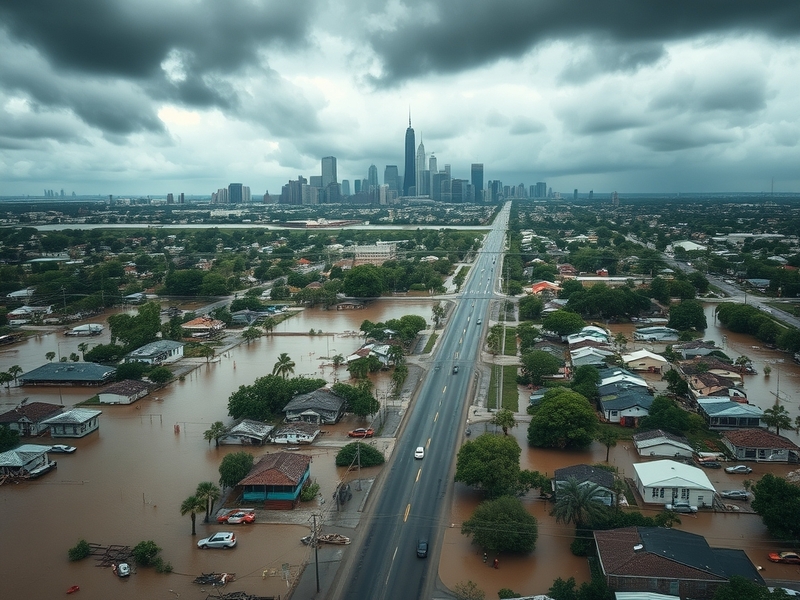
The immediate effects of Hurricane Katrina were staggering. New Orleans, a city known for its vibrant culture and unique geography, was submerged under several feet of water. The levee system, designed to protect the city, failed in multiple locations, leading to widespread flooding. Thousands of residents were displaced, and the death toll reached over 1,800.
Key statistics illustrate the storm’s impact:
- Over 1 million people were evacuated from affected areas.
- Approximately 80% of New Orleans was underwater.
- Estimated damages exceeded $125 billion.
- More than 1,800 lives were lost due to the hurricane and its aftermath.
Broader Implications and Lessons Learned
The aftermath of Hurricane Katrina revealed profound implications for disaster management and urban planning. The failures in response highlighted systemic issues within government agencies, including the Federal Emergency Management Agency (FEMA). Many criticized the slow response time and mismanagement of resources, raising questions about the effectiveness of emergency preparedness protocols.
Moreover, the disaster underscored the vulnerability of low-income and minority communities. Many residents who were unable to evacuate were disproportionately affected, revealing deep-seated inequalities in disaster readiness and recovery efforts. This has led to ongoing discussions about social justice and equity in emergency management.
In response to these lessons, several changes have been implemented:
- Improvements in levee systems and flood control measures.
- Enhanced training for emergency responders.
- Increased funding for disaster preparedness programs.
- Community engagement initiatives to ensure vulnerable populations are prioritized.
The Legacy of Hurricane Katrina
Years later, the legacy of Hurricane Katrina continues to influence policy and public perception. The disaster has served as a catalyst for discussions on climate change, particularly regarding the increasing frequency and intensity of hurricanes. As weather patterns shift, cities across the U.S. are reevaluating their preparedness for future storms.
In addition, the cultural impact of Hurricane Katrina is evident in various forms of art, literature, and music. Many artists have used their platforms to reflect on the experiences of those affected, ensuring that the stories of resilience and loss are not forgotten. Documentaries and films have also explored the human side of the disaster, emphasizing the need for empathy and understanding in the face of tragedy.
As we reflect on Hurricane Katrina, it is crucial to remember the lessons learned and to continue advocating for policies that address the vulnerabilities exposed by the storm. The importance of preparedness, equity, and community engagement cannot be overstated. For further insights into disaster management and related topics, visit our Analysis and News sections.